
Achieving the silky, vibrant vocal sound heard on global charts requires a specialized approach to signal processing. Whether you are aiming for the smooth textures of Burna Boy or the melodic precision seen in a how to make Afrobeat like Wizkid tutorial, the vocal is the soul of the track. However, many producers fail at Mixing Tricks for Afrobeat Vocals because they treat the vocal like a standard Hip-Hop track, which lacks the rhythmic interplay necessary for West African music.
The Afrobeat vocal needs to sit “inside” the rhythm while remaining completely intelligible. This guide breaks down the 10 professional secrets to balancing clarity, warmth, and energy in your vocal mixes.
1. The Foundation: Mixing Tricks for Afrobeat Vocals Prep
Before you reach for a plugin, you must ensure the vocal is clean. Afrobeat relies on high-frequency detail. If your recording has room noise or low-end rumble, every subsequent plugin will amplify these flaws. Use a high-quality gate and perform manual clip gain adjustments to ensure the input level is consistent before hitting your compressor.
2. Surgical EQ: Carving Space for the Lead
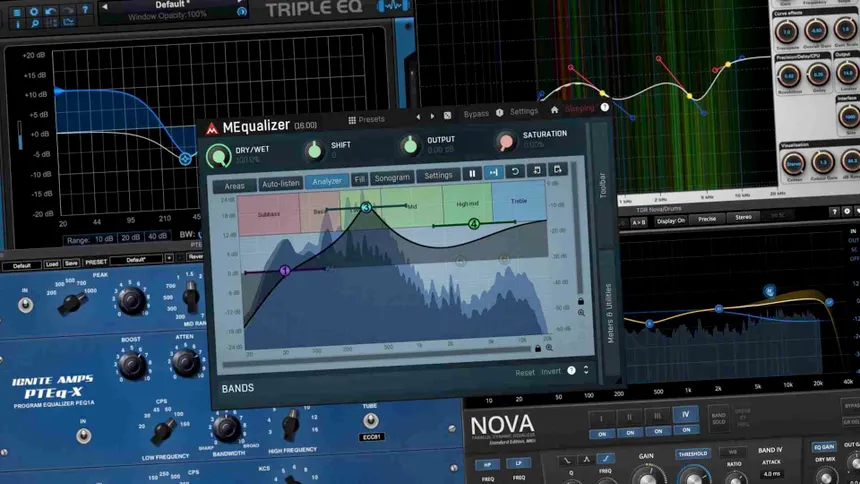
The first step in effective Mixing Tricks for Afrobeat Vocals is removing what you don’t need before adding anything new. Afrobeat productions are packed with mid-range-heavy percussion, guitars, synths, and rhythmic elements, which means the vocal is constantly competing for space. If you don’t carve the vocal properly, it will either sound buried or force you to push its volume unnaturally high.
Strategic subtractive EQ—removing boxiness, low-mid buildup, and harsh resonances—creates room for the vocal to sit naturally in the mix. By cleaning up unnecessary frequencies, the vocal becomes clearer, more focused, and easier to place on top of the instrumental without fighting the dense Afrobeat rhythm section.
Removing Low-End Mud
In Mixing Tricks for Afrobeat Vocals, Apply a high-pass filter up to 80Hz or 100Hz. This removes subsonic clutter that clashes with the kick drum. Additionally, look for “honky” frequencies between 300Hz and 500Hz. A small dip here often makes the vocal sound more expensive and less “boxy.”
3. Aggressive De-Essing: Managing High-End Polish
Because Mixing Tricks for Afrobeat Vocals often require a significant high-shelf boost for that “air” sound, sibilance (S and T sounds) can become painful. Use two de-essers in series: one early in the chain to catch peaks, and one at the end to smooth out the final polish. This allows you to boost the highs without hurting the listener’s ears.
4. Dual-Stage Compression: Balancing Dynamics and Vibes
One of the most important Mixing Tricks for Afrobeat Vocals is understanding that standard, heavy-handed compression often kills the natural bounce and rhythmic feel that Afrobeat vocals rely on. Afrobeat vocals need to move with the groove, not feel flat or over-controlled. The secret is using two compressors, each with a different role.
The first compressor should be gentle and transparent, catching only the loudest peaks to maintain consistency without squashing the performance. The second compressor works more musically, adding body, density, and energy while preserving the vocal’s natural dynamics. This dual-compression approach keeps the vocal present, lively, and locked into the rhythm of the track, allowing it to sit confidently on top of the mix while still feeling human and expressive.
Peak Catching (Mixing Tricks for Afrobeat Vocals)
Use a fast compressor—such as an 1176-style unit—to catch the sharpest peaks and control sudden transients without affecting the natural groove of the performance. This first stage acts as a safety net, keeping aggressive syllables and accents in check while preserving energy.
Follow this with a slower, optical compressor like a Teletronix LA-2A to add smoothness, warmth, and musical “glue.” The second compressor gently levels the vocal and enhances body, helping it feel consistent and polished without sounding over-processed.
This dual-stage compression approach provides the professional stability needed when the vocal is competing with the dense, fast-moving rhythms found in an Afrobeat drum kits essential packs guide, allowing the vocal to stay upfront, controlled, and emotionally engaging.
5. Saturation and Color: Adding That Expensive Warmth
Digital recordings can often sound “sterile.” In Mixing Tricks for Afrobeat Vocals, saturation acts as a subtle harmonic exciter. Use a tape saturation or tube preamp plugin to add weight to the low-mids and a silky sheen to the highs. This helps the vocal feel like it was recorded in a million-dollar studio.
6. Mixing Tricks for Afrobeat Vocals: The Power of Parallel Processing
If your vocal sounds too thin when you compress it, use parallel compression. Send your lead vocal to a separate bus and compress it heavily (almost to the point of distortion). Blend this “crushed” signal back in with the original. This adds body and “thickens” the vocal without destroying the natural transients.
7. Spatial Design: Using Delays and Reverbs for Rhythm
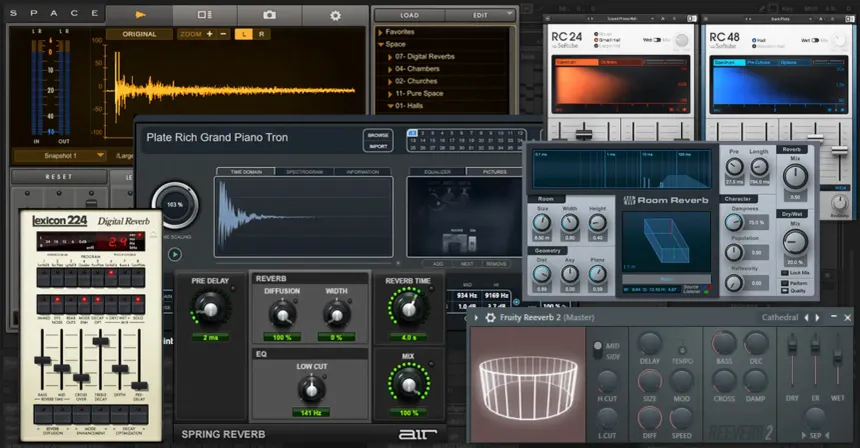
The most important principle behind effective Mixing Tricks for Afrobeat Vocals is understanding that reverb should be felt rather than clearly heard as a long, obvious tail. In Afrobeat, the vocal must stay upfront, intimate, and rhythmic, so excessive or overly long reverb can quickly push it back in the mix and reduce its impact. Instead, short, controlled reverbs or subtle room ambiences are used to add depth and space without sacrificing clarity.
This approach creates the illusion that the vocal sits naturally within the instrumental, blending smoothly with the groove while still remaining dominant. When applied correctly, reverb enhances warmth and presence, adds polish, and helps the vocal breathe—without ever distracting the listener or washing out the energy of the track.
The 1/4 Note Delay Secret (Mixing Tricks for Afrobeat Vocals)
Instead of a long reverb that washes out the vocal, use a timed 1/4 or 1/8 note delay. Set the feedback low and the mix to about 10-15%. This creates a rhythmic “halo” around the singer that complements the sidechain compression advanced guide techniques used on the drums.
8. Vocal Doubling and Width: Creating the Larger-Than-Life Effect
Modern Afro-fusion often features wide, lush choruses. Use a chorus plugin or a micro-shifter on your vocal doubles. Panning these doubles hard left and right while keeping the lead vocal dead center creates a massive wall of sound that dominates the chorus.
9. Pitch Correction: Modern Tuning as an Artistic Choice
Pitch correction is a fundamental part of the Mixing Tricks for Afrobeat Vocals. Whether you use it subtly for pitch-perfect precision or aggressively for that “robotic” effect, the key is the “Retune Speed.” Fast speeds provide that modern pop sound, while slower speeds maintain a natural feel.
10. The Final Polish: Bussing and Glue Compression
Once your lead and background vocals are mixed, send them all to a single “Vocal Bus.” Apply a final, gentle compressor with a 2:1 ratio and a slow attack. This “glues” all the vocal layers together, making them sound like a cohesive unit rather than separate recordings. This is a vital step to finish music production 5 explosive secrets and deliver a professional master.
Conclusion: Elevate Your Vocal Mixes
Mastering Mixing Tricks for Afrobeat Vocals is about the balance between technical precision and rhythmic soul. By focusing on surgical EQ, dual-stage compression, and rhythmic delays, you can transform a raw recording into a global hit.
Ready to improve your production? Get the most authentic tools at www.wtmhstudio.com and explore our midi kits elevate your production workflow to start creating today.
FAQ: Afrobeat Vocal Mixing
1. What is the best reverb for Afrobeat vocals?
Plate reverbs are generally best as they provide brightness and density without the “mud” of large hall reverbs.
2. Should I use Auto-Tune on Afrobeat?
Yes. Almost all modern Afrobeat tracks use some form of pitch correction to achieve that polished, commercial sound.
3. Mixing Tricks for Afrobeat Vocals: How do I fix a muddy vocal?
Focus on the 200Hz-500Hz range. Cutting a few decibels here usually clears up the “mud” and allows the vocal to sit better in the mix.
4. How much compression is too much for Afrobeats?
If the vocal starts to lose its rhythmic “bounce” or sounds like it is struggling to breathe, you have over-compressed. Use parallel compression to bring back the life.