
If you sell sound kits, you are no longer fighting thousands of producers for the same handful of artists. You are selling to the biggest and most loyal audience in music: other producers.
Beat leases built a generation of producer careers, but the market is crowded. Prices keep dropping, every upload competes with millions of others, and each lease depends on an artist choosing your beat over everyone else’s.
Sound kits flip that model. You build one product and sell it again and again. This guide shows you exactly how: what goes into a kit that sells, a seven-step build process, the legal basics, pricing, where to sell and how to market your first release.
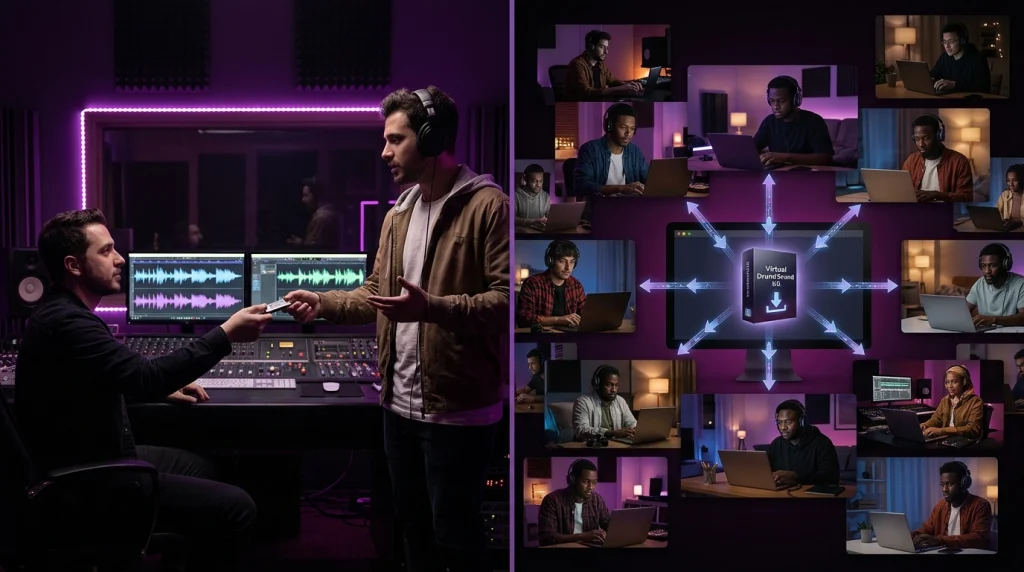
Why Sound Kits Are the New Beat Leases
Sound kits are collections of drum one-shots, loops, MIDI files or presets that producers use in their own music. The history of sampling and sample packs shows how sample libraries moved from expensive CDs to online platforms such as Splice in the 2010s, opening the door for independent producers to sell their own packs.
The Beat Lease Market Is Crowded
Leasing beats still works, but it is harder than ever to stand out. Thousands of new type beats are uploaded every day, and many artists expect low prices. Your income depends on beating that competition on every single sale.
Producers Are Buyers Too
Every producer needs drums, loops and fresh sounds, and many buy new kits regularly. When you sell sound kits, your customers are people who understand quality, return for new volumes and recommend kits to friends.
Build Once, Sell Forever
A beat lease earns a fixed fee per artist. A sound kit can sell to hundreds of producers with no extra work after launch. Your back catalogue keeps earning while you build the next volume.
Kits Build Your Brand
Every kit carries your name into other producers’ sessions. When their beats get placed, your sound travels with them. Producers who sell sound kits regularly often find that kits grow their audience faster than leases, because a strong kit gets shared, reviewed and talked about. Over time, buyers start to recognize your sound, and that recognition is what lets you sell sound kits at higher prices.
Sound Kits vs Beat Leases at a Glance
| Factor | Beat Leases | Sound Kits |
|---|---|---|
| Customer | Artists | Producers |
| Product | One beat, many lease tiers | One kit, unlimited copies |
| Work per sale | Often custom edits and stems | None after launch |
| Price competition | Very high | Lower in a clear niche |
| Repeat buyers | Occasional | Common for good brands |
| Brand building | Tied to artists’ success | Your sound becomes your brand |
The smartest move is not to choose one. Use both: leases for artists, kits for producers. But if you have never tried to sell sound kits, you are leaving a second income stream untouched.
What Goes Into a Sound Kit That Sells
Before you sell sound kits, decide what type of kit you are making. Each format serves a different need.
Drum One-Shots
The classic drum kit: kicks, snares, claps, hi-hats, percussion and 808s. These are the easiest to start with and the most consistently popular. A focused first kit of 50 to 100 strong sounds beats a bloated kit of 500 average ones.
Melody Loops and Construction Kits
Loops are full musical phrases labeled with key and tempo. Construction kits split a loop into stems, such as keys, bass, pads and drums, so producers can rearrange them. Loops sell well but need clear licensing, which we cover below.
MIDI Files and Presets
MIDI kits contain chord progressions, melodies and drum patterns that producers can play with their own sounds. Preset banks contain sounds for popular synths. Both are light to deliver and easy to bundle with drums.
How to Build Your First Kit in 7 Steps
These seven steps are the proven secrets producers use to build and sell sound kits that actually move. Follow them in order for your first release.
Step 1: Pick a Clear Niche
“Drum kit” is too broad. “Afrobeat percussion kit”, “amapiano log drum kit” or “dark trap 808 kit” tells buyers exactly what they get. A niche helps you stand out and makes your marketing far easier.
Step 2: Create or Record Original Sounds
Every sound must be yours. Record real percussion, design drums in synths, layer and resample your own material, and build 808s from scratch. Original sounds are both your legal protection and your selling point.
Step 3: Process Every Sound
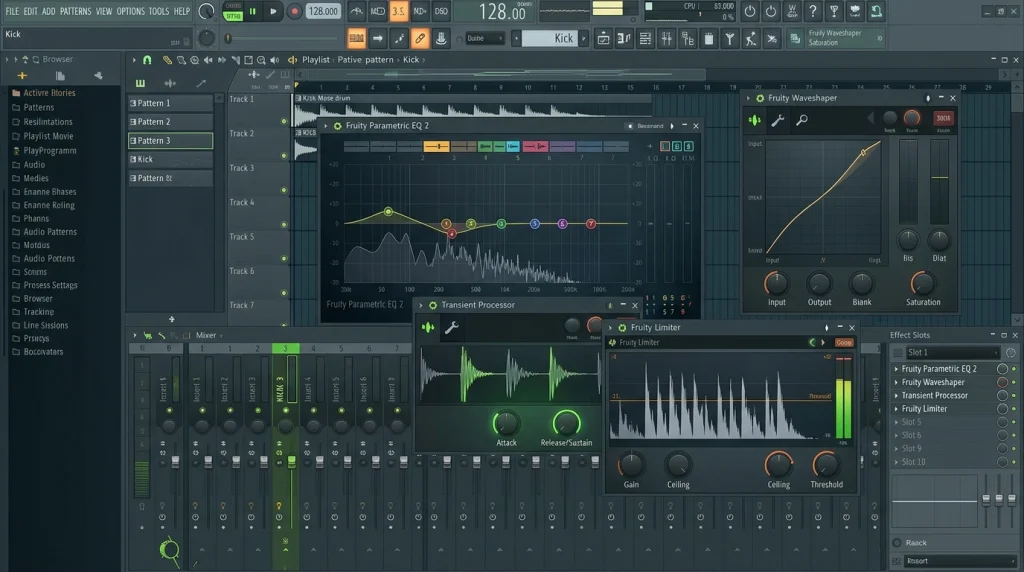
Polish each sound so it is mix-ready: clean EQ, controlled transients, tasteful saturation and consistent levels. Trim silence at the start, add short fades at the end and avoid clipping. Producers buy kits to save time, so the sounds should drop straight into a beat.
Step 4: Export in Professional Formats
Export as WAV files, ideally 24-bit at 44.1kHz or 48kHz. WAV works in every DAW. Keep levels consistent across the kit so producers are not constantly adjusting volumes.
Step 5: Name and Organize Everything
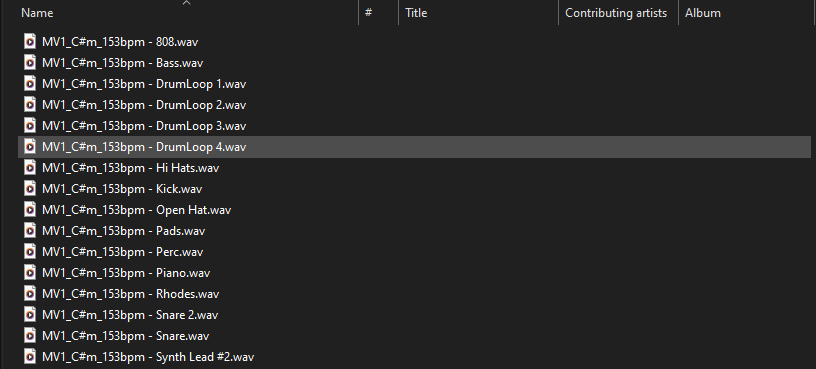
Clear names save buyers time and make your kit look professional. Use a consistent formula, such as:
Brand_KitName_Type_Name_Key_BPM.wav
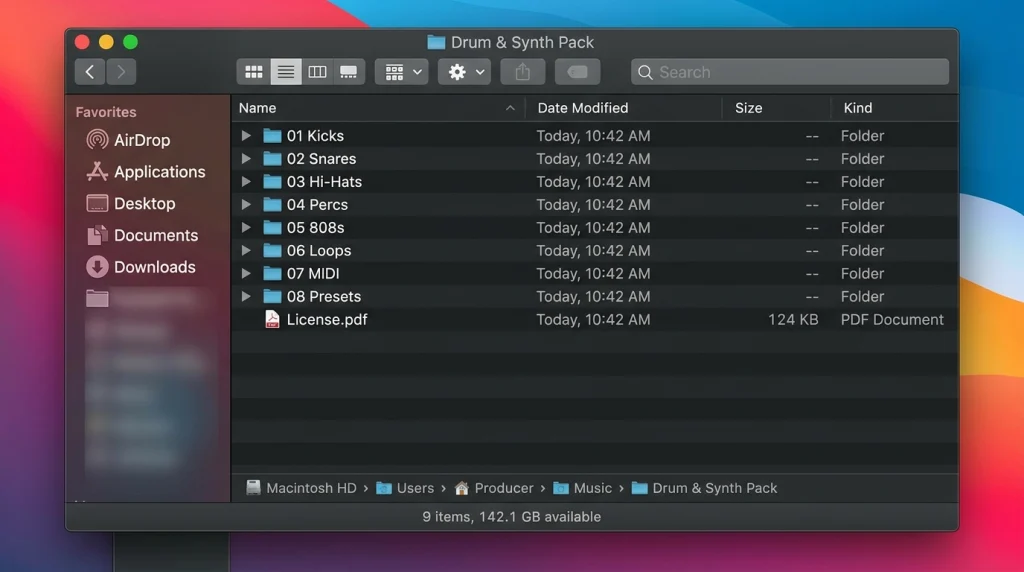
For example: AOTBB_Lagos_Loop_Sunset_Am_105.wav. Group files into numbered folders like 01 Kicks, 02 Snares and 06 Loops.
Step 6: Test the Kit in Real Beats
Make three to five beats using only your kit. You will quickly hear which sounds are weak, which are missing and which are too similar. These test beats also become your demo content.
Step 7: Package It Properly
Zip the folders and add a license file, a short readme with your contact details and eye-catching cover art. Keep the download tidy, because a messy kit gets refunds and bad reviews.
Legal Basics Before You Sell Sound Kits
Getting the legal side right protects you and your customers. This is general information, not legal advice, so speak with a qualified professional for your situation. For the fundamentals, read our guide to music licensing explained.
Only Sell What You Own
Never include sounds from other kits, recordings from songs or anything you do not have the rights to redistribute. Most sample licenses allow you to use sounds in music, not to repackage them in your own kit. When you sell sound kits, originality is not optional.
Write a Clear License
Your license should state plainly what buyers can do. Common terms include:
- Royalty-free use of one-shots in commercial music.
- No resale or redistribution of the sounds as samples.
- Any conditions for melodic loops, such as credit or publishing terms, if you choose to require them.
Put the license in the download and on the product page so there are no surprises.
Recordings vs Compositions
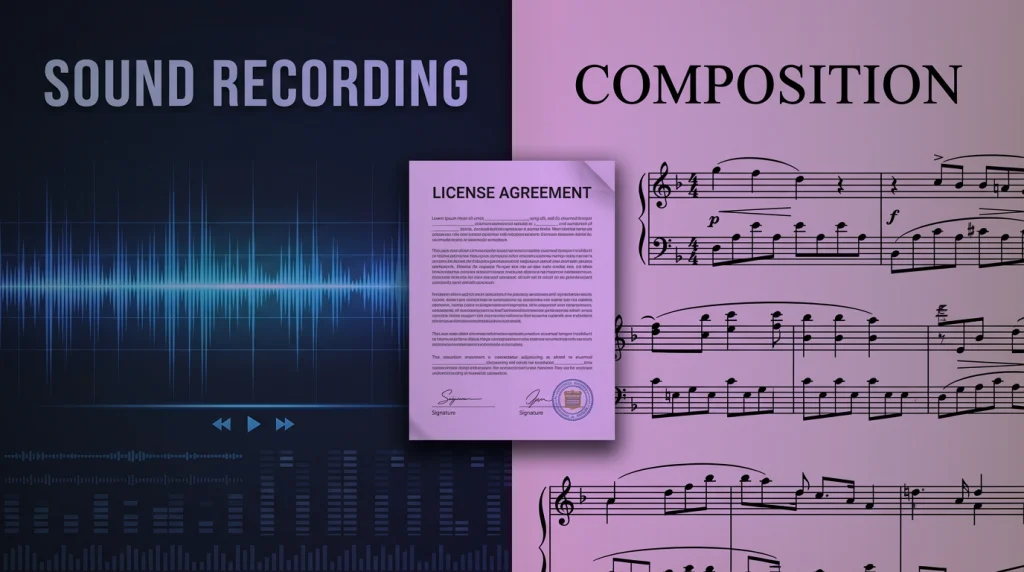
A loop can carry two copyrights: one in the sound recording and one in the musical composition, such as the melody. The US Copyright Office’s Circular 56A explains that a sound recording and the underlying composition are distinct works. That is why some loop sellers ask for credit or publishing splits on melodic loops, while drum one-shots are usually fully royalty-free. For more on protecting recordings, see Circular 56 on sound recordings.
How to Price Your Sound Kit
When you sell sound kits, pricing depends on size, quality and your brand. Here is a simple structure for your first releases.
Price Tiers
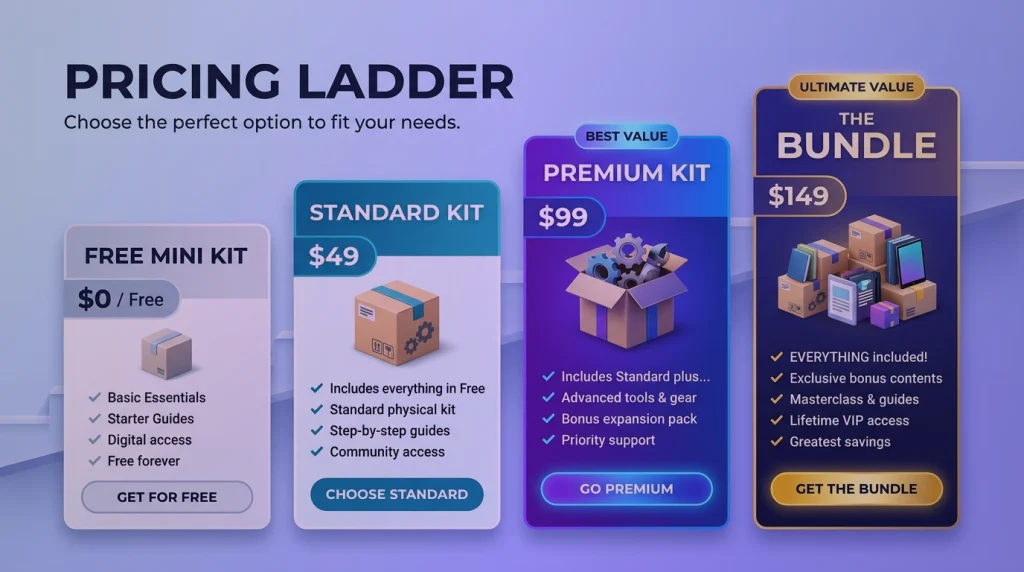
| Tier | Contents | Typical Price Range |
|---|---|---|
| Free mini kit | 10 to 25 sounds | Free (email signup) |
| Standard kit | 50 to 150 sounds | Around $15 to $30 |
| Premium kit | Loops, MIDI and stems included | Around $30 to $60 |
| Bundle | Several kits together | A discount on the combined price |
These ranges are common starting points, not rules. Check what similar kits in your niche sell for and adjust.
Bundles and Launch Discounts
Launch with a short discount to reward early buyers and build reviews. Once you have two or three kits, bundle them at a lower combined price. Bundles raise your average order value and clear older stock.
Track Your Results
Watch which kits sell, which demo videos drive clicks and which price points convert. Simple numbers from your store dashboard tell you what to make next. Producers who sell sound kits successfully treat each release as an experiment: they double down on the niches that work and drop the ones that do not, which is how a hobby turns into a reliable way to sell sound kits every month.
Where to Sell Sound Kits Online
You have three main routes to sell sound kits, and many producers use all of them.
Your Own Store
Selling from your own website gives you the highest margin, full control and your customers’ email addresses. Use a store plugin or a digital download platform. Then follow our guide to market your beat store, because the same tactics drive kit sales.
Producer Marketplaces
Marketplaces like BeatStars let you list kits alongside your beats, putting them in front of producers who already shop there. Check each platform’s current plan requirements and fees before you upload, as they change.
Sample Platforms and Labels
Subscription platforms such as Splice Sounds and other sample stores reach huge audiences, usually through sample labels or partner programs. See how we distribute our packs on LANDR Samples, Tracklib and ADSR for a real example.
Which Route Should You Choose First?
If you already have an audience, start with your own store and keep the full margin. If you are starting from zero, list your first kit on a marketplace to borrow its traffic while you grow. Once you have a catalogue of strong releases, approach sample labels and platforms. Most producers who sell sound kits for years end up using all three routes, each feeding the others, so there is no wrong place to begin as long as you begin.
How to Market Your First Kit
A great kit with no marketing will not sell. The producers who sell sound kits consistently treat every launch like a release, and these three channels do the heavy lifting.
Demo Videos
Short vertical videos of you building a beat with only the kit are the strongest sales tool. Show the folder, play a few sounds, then flip them into a beat in under a minute. Our Instagram strategy for producers shows how to turn these clips into followers and buyers.
The Free Kit Funnel
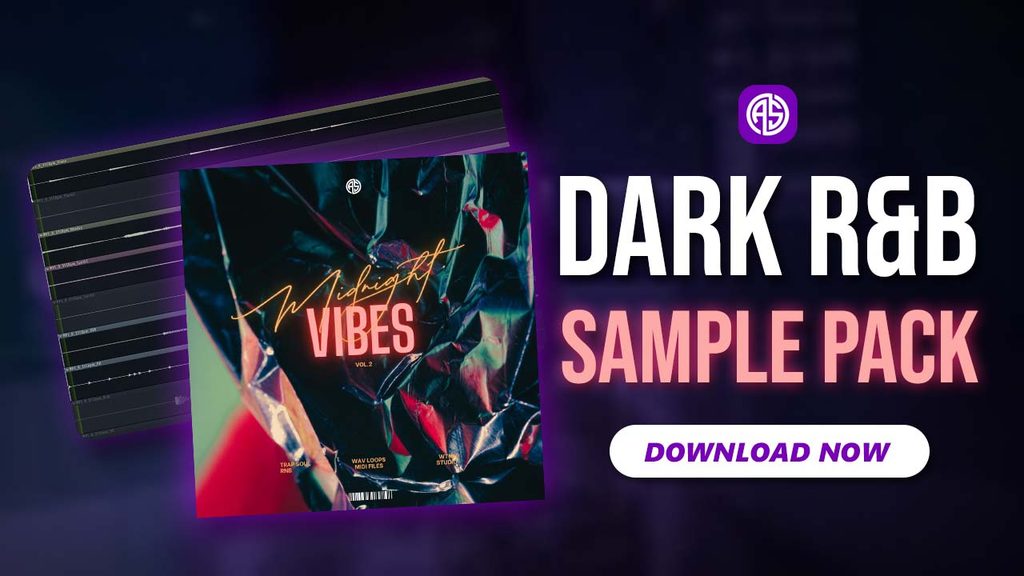
Give away a small free kit in exchange for an email address. It introduces your sound, builds trust and gives you a list to tell about paid releases. Our 101 Trap free drum kit is a live example of this approach.
Email and Social Media
Email your list when you launch, share behind-the-scenes clips of recording sessions, and repost beats that customers make with your kit. Social proof sells sound kits better than any ad.
5 Mistakes to Avoid
Avoid these errors and you will sell sound kits with fewer refunds and better reviews.
- Using sounds you do not own. This can get your kit taken down and your reputation damaged.
- Quantity over quality. Five hundred average sounds lose to eighty great ones.
- Messy file names. Missing keys, BPMs and folders frustrate buyers.
- No license file. Unclear terms create disputes and refund requests.
- Launching without demos. Producers need to hear the kit in a beat before they buy.
Conclusion: Start to Sell Sound Kits This Month
Beat leases are still valuable, but sound kits give you something leases cannot: a product that Sell Sound Kits to many buyers again and again, and a sound that becomes your brand.
Here are the key takeaways:
- Pick a clear niche and build 50 to 100 original, polished sounds.
- Export WAV files with consistent levels and professional names.
- Include a clear license and only sell what you own.
- Price with a ladder: free mini kit, standard kit, premium kit and bundles.
- Market with demo videos and a free kit email funnel.
Your first kit does not need to be perfect, it needs to be finished. Need inspiration for your sound design? Browse the WTMH Studio drum kits, study what makes them work, and start to sell sound kits of your own this month.
FAQ: Sell Sound Kits
How do I start to sell sound kits as a beginner?
Pick a narrow niche, create 50 to 100 original sounds, export them as WAV files with clear names, add a license file and cover art, then sell through your own store or a producer marketplace.
Are sound kits more profitable than beat leases?
They can be, because one kit sells to many buyers with no extra work per sale. Most successful producers combine both income streams.
How many sounds should a first kit have?
Around 50 to 100 strong sounds is a good target. Focus on quality and variety within your niche rather than sheer size.
What format should sound kit files be?
WAV, ideally 24-bit at 44.1kHz or 48kHz. WAV files work in every DAW and keep full audio quality.
Can I use samples from other kits in my kit?
No. Most sample licenses allow you to use sounds in your music but not to redistribute them. Only include sounds you created or fully own.
Where is the best place to sell sound kits?
Your own website gives the best margins and customer data. Marketplaces and sample platforms add reach. Many producers use all three.
Do I need a license for my sound kit?
Yes. A clear license tells buyers whether sounds are royalty-free, bans resale and explains any conditions for melodic loops.