
Beat lease renewal is the problem nobody thinks about until a song explodes. You lease a beat for a few dollars, record a track, release it, and suddenly it is everywhere. Then someone asks the question that ruins your celebration: does your lease still cover this?
For artists, an exceeded lease can put royalties, playlists and even the release itself at risk. For producers, a viral song on a cheap lease can feel like a missed payday, especially with no clear way to upgrade the buyer.
This guide explains what really happens when a leased beat blows up, using the most famous example in beat-selling history. You will learn the renewal options for artists, seven secrets producers can use to write better lease terms, how to track streams and how to negotiate an exclusive the right way.
What Is the Beat Lease Renewal Problem?
The beat lease renewal problem is simple: most leases are built for small releases, and viral songs blow straight past their limits. To understand it, start with how leases work. For a broader foundation, read our guide to music licensing explained.
How Beat Leases Work
A beat lease is a non-exclusive license. The producer keeps ownership of the beat and can lease it to many artists, while each artist gets permission to use it within set limits. Leases are cheap because they are limited.
Caps, Terms and Who Sets Them
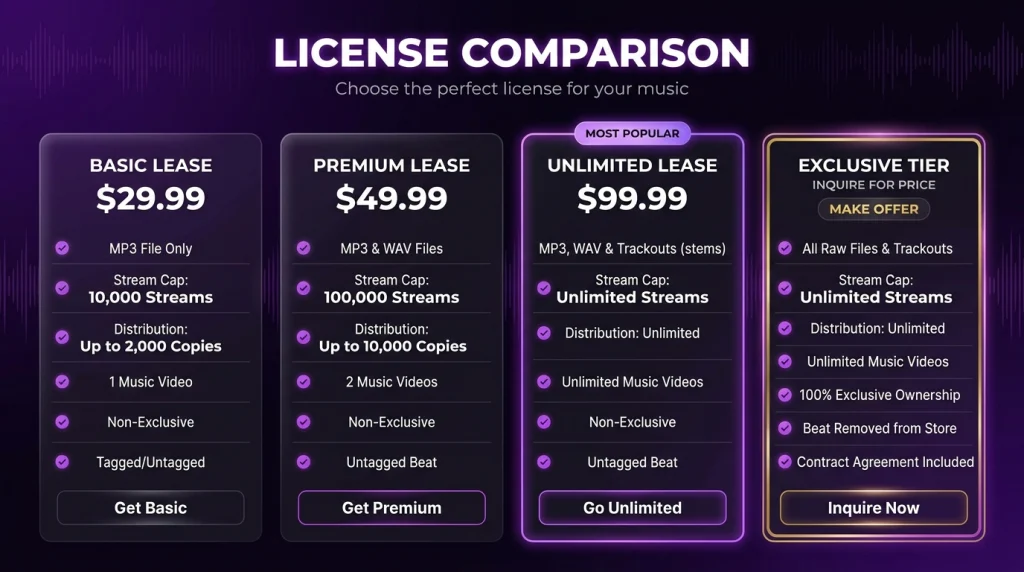
Common lease limits include:
- Stream caps, such as a maximum number of audio streams.
- Sales or download limits.
- Music video limits, such as one video or a view cap.
- Performance rights, such as paid shows or radio.
- Term length, after which the license must be renewed.
On marketplaces like BeatStars, these terms are set by each producer, not by the platform. Two leases on the same marketplace can have completely different limits.
Why Viral Songs Trigger the Problem
A lease capped at tens of thousands of streams might last years for a small artist. A viral song can pass that number in a day. That is when beat lease renewal stops being paperwork and becomes urgent.
Renewal, Upgrade and Exclusive: Key Terms
These words get mixed up, so here is the difference. A beat lease renewal buys the same rights again, usually to reset caps or extend the term. An upgrade moves you to a bigger tier with higher limits. An exclusive transfers the strongest rights to one buyer and normally stops new leases. Knowing which one you need saves time when a song starts moving, and it makes beat lease renewal conversations much clearer.
Case Study: The $30 Lease Behind Old Town Road
No story shows the stakes better than Old Town Road.
The Lease
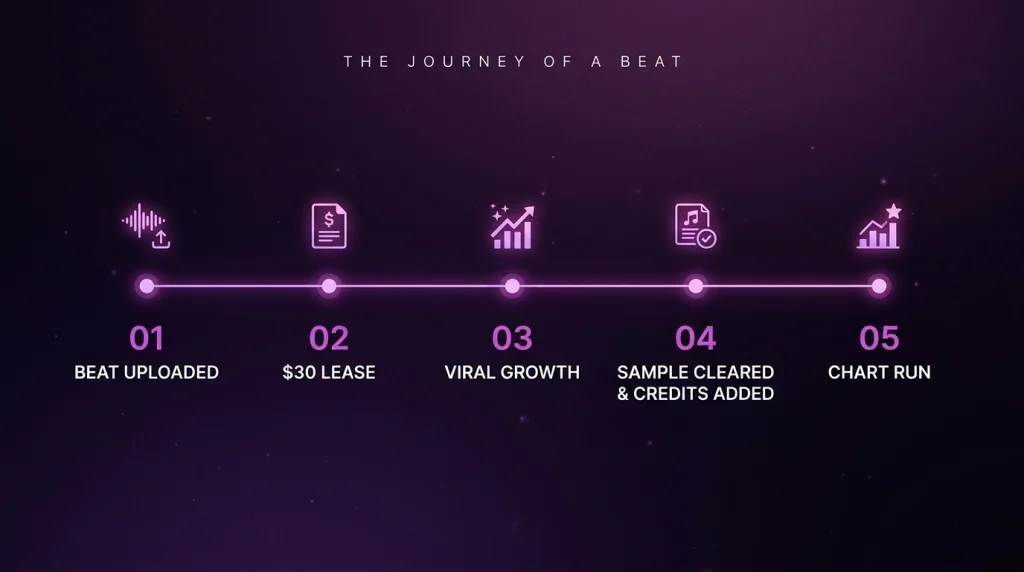
Lil Nas X leased the beat anonymously for $30 from Dutch producer YoungKio, who had uploaded it in 2018 under the name “Future Type Beat”. As Rolling Stone’s report on BeatStars and the song explains, the beat was sold through BeatStars. The song went on to spend a then-record 19 consecutive weeks at number one on the Billboard Hot 100 in 2019.
The Sample Problem
The beat was built on a loop from Nine Inch Nails’ “34 Ghosts IV”. That track had been released under a Creative Commons noncommercial license, which does not cover commercial releases. After the song took off, Trent Reznor cleared the sample, and he and Atticus Ross were credited as songwriters. Hear the producer’s side in YoungKio’s interview with Splice.
The Lessons
- Any leased beat can become a hit. Plan for success from day one.
- Lease terms matter most when you least expect it.
- Samples must be cleared, or a hit can turn into a legal problem.
- Renewal and clearance are easier to solve early than after a song is everywhere.
What Happens When You Exceed a Lease
Every lease is different, so always read your own terms before you plan any beat lease renewal. In general, here is what exceeding a lease means.
You Are Outside Your License
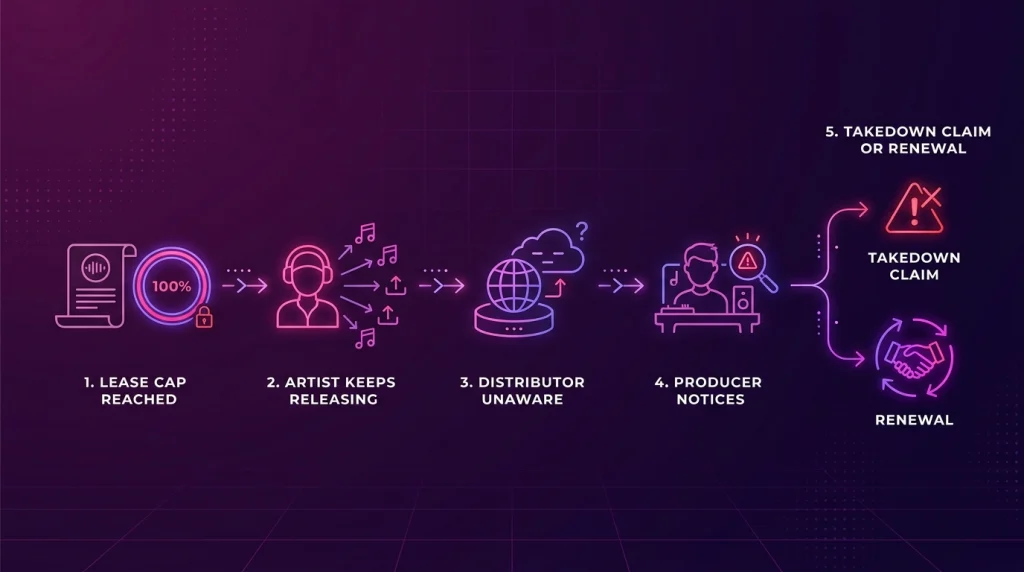
Once you pass a cap or the term ends, your use is no longer covered by the license. According to Hypebot’s beat licensing guide, the artist may lose the right to collect master royalties for that track until the license is renewed. Some producer licenses state that the lease expires when the limits are reached.
Distributors Do Not Track Your Cap
Your distributor does not know your lease limits. Nobody will warn you when you hit the cap. The responsibility to track usage and arrange beat lease renewal sits with the artist.
Other Leases Stay Valid
If a producer later sells exclusive rights to someone else, existing leases usually remain valid up to their limits, depending on the license wording. This is why exclusive buyers should always ask how many leases have already been sold.
Beat Lease Renewal Options for Artists
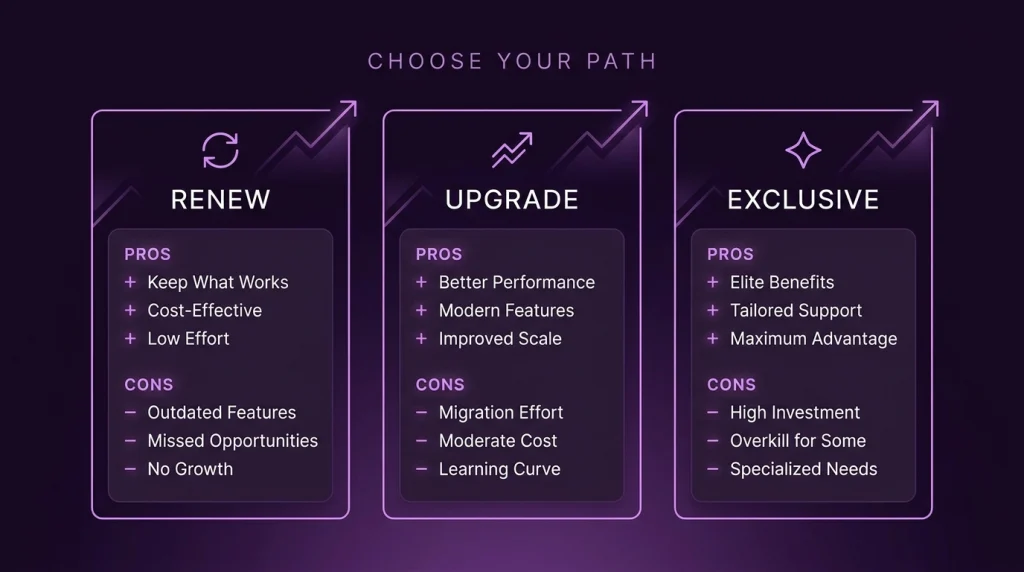
If your song is approaching or past its limits, you have three main paths. Contact the producer early, because the conversation is much easier before a dispute starts.
Renew the Same Tier
Some leases allow you to buy the same license again to reset the limits. This works for songs that are growing steadily rather than exploding.
Upgrade and Pay the Difference
Many producers let you upgrade to a higher tier, such as an unlimited lease, by paying the difference. It is often the fastest and cheapest fix.
Buy the Exclusive
For a song that is clearly becoming a hit, buying exclusive rights gives you the strongest position. Exclusives usually have no stream caps and stop new leases from being sold. Price depends on the song’s success, so expect the producer to ask for more than the standard exclusive price.
What If the Producer Does Not Reply?
Producers get busy, change email addresses or step away from music. Use every contact method in your license and on the store page, keep a record of your attempts, and ask the marketplace’s support team for help reaching them. Do not assume silence means approval. If the song is earning real money, speak with a music lawyer about your options before beat lease renewal becomes a dispute, and pause new promotion until you have an answer.
Options Compared
| Option | Best For | Cost | Removes Caps? |
|---|---|---|---|
| Renew same tier | Steady growth | Low | Resets them |
| Upgrade tier | Fast growth | Medium | Often, depending on tier |
| Buy exclusive | A breakout hit | High | Yes, usually |
Beat Lease Renewal for Producers: Write Better Terms
Producers can turn the renewal problem into an opportunity. These seven secrets make your leases fair, clear and profitable when a song blows up.
Secret 1: State Every Cap Clearly
List streams, sales, videos and performance limits in plain language on the product page and in the PDF license. Clear terms prevent disputes.
Secret 2: Offer a Simple Upgrade Path
Explain exactly how buyers can upgrade and what it costs. Use our guide to beat pricing psychology to price each tier so upgrading feels like an obvious choice.
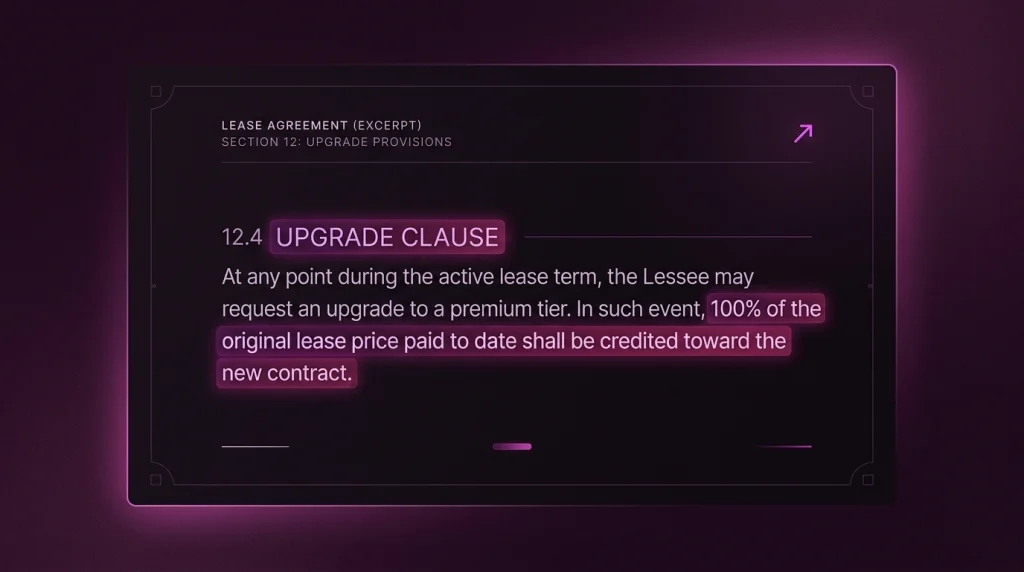
Secret 3: Credit the Original Price
Offer to credit what the artist already paid toward an upgrade. It rewards loyalty and makes beat lease renewal an easy yes.
Secret 4: Include Publishing Terms
Leases can include writer credit and publishing split terms. If the song becomes a hit, your publishing share can be worth far more than the lease fee.
Secret 5: Clear Every Sample
Only sell beats built on original or properly cleared sounds. The Old Town Road story ended well, but an uncleared sample is a risk you should never pass on to buyers.
Secret 6: Add Contact and Whitelisting Steps
Tell buyers how to contact you and how to whitelist their song on content ID systems, so legitimate releases are not flagged. Respond quickly to whitelisting requests, because a wrongly flagged release can cost an artist momentum during the exact week a song starts to grow.
Secret 7: Watch Your Buyers’ Releases
Follow the artists who lease your beats. When a song starts climbing, reach out first with a friendly upgrade offer. For more on building a sales system, see our proven strategies to sell type beats online.
How to Track Streams Before You Hit the Cap
Prevention is easier than renewal. Here is how artists can stay ahead of their limits.
Count Every Platform
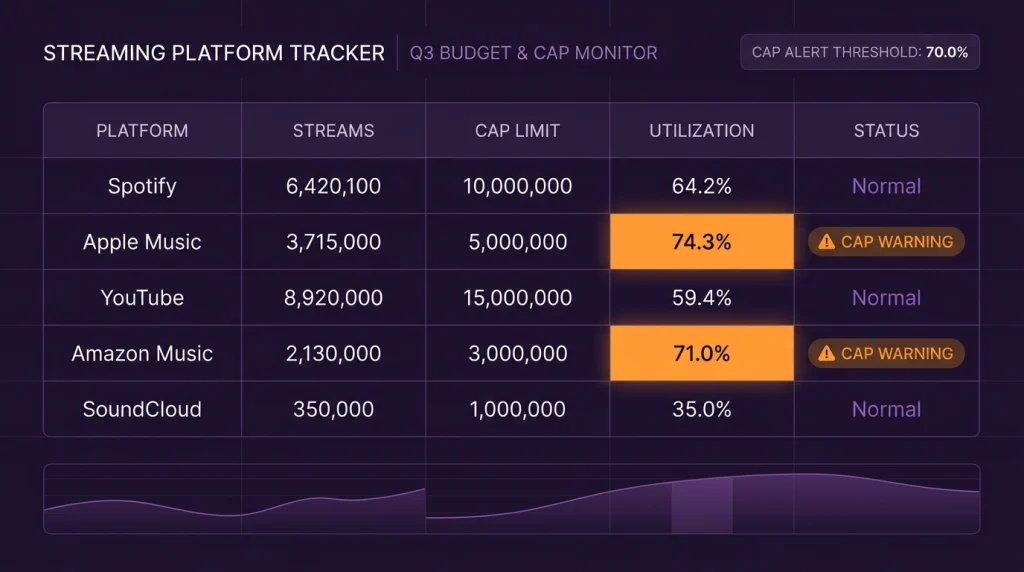
Check your lease wording to see which platforms count toward the cap. Add up streams across all of them from your distributor dashboard and each platform’s artist tools.
Set Alerts Early
Create a simple spreadsheet and flag your song when it reaches around 70 percent of its cap. That gives you time to arrange beat lease renewal before you go over.
Plan Renewal Into Your Release Budget
Treat beat lease renewal as a planned cost, not a surprise. When you release a song on a leased beat, set aside a small part of its early earnings for a possible upgrade. If the song takes off, the money is ready. If it does not, you have simply saved. Planning this way turns beat lease renewal into a routine step of a successful release.
Keep Your License Handy
Save the license PDF, receipt and producer contact for every beat you lease in one folder. When you need to renew, you will have everything ready.
Negotiating an Exclusive After a Song Blows Up
When a song takes off, both sides want a fair deal quickly. Good-faith negotiation protects the release and the relationship.
Tips for Artists
Reach out as soon as the song gains traction, be honest about the numbers and propose a clear offer. Producers respond better to early, respectful contact than to discovering a hit on their own.
Tips for Producers
Do not overreach. Ask for a fair exclusive price, a writer credit and a publishing share where appropriate. A reasonable deal keeps the artist working with you on future songs. Our beat selling tips for 2026 cover how to approach these conversations.
Agree on What Happens to Existing Leases
When an artist buys the exclusive on a hit, both sides should agree in writing on how earlier leases are handled. Will the producer remove the beat from sale immediately? Will older leases run out at their limits? Clear answers protect the artist’s investment and keep the producer honest with past buyers, which matters for every future beat lease renewal on the store.
Get It in Writing
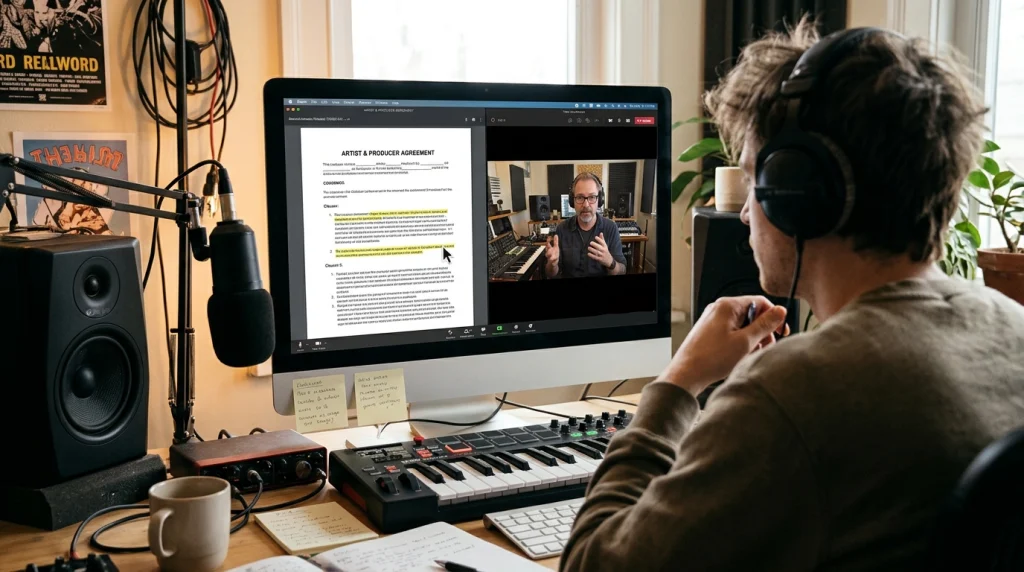
Every upgrade, renewal and exclusive must be in a signed agreement that states rights, splits, payment and what happens to existing leases. For high-value deals, use an entertainment lawyer.
5 Mistakes to Avoid
Avoid these errors and beat lease renewal will be a simple step instead of a crisis.
- Not reading the lease. Know your caps before release, not after.
- Ignoring the cap. Going past it can cost you royalties and trigger takedowns.
- Waiting too long to contact the producer. Early contact keeps prices and tempers low.
- Verbal agreements. Without a signed contract, you have no proof of your rights.
- Uncleared samples. A hit built on an uncleared sample can become a legal headache.
Conclusion: Plan Your Beat Lease Renewal Before You Need It
A leased beat can become a global hit, as Old Town Road proved. The artists and producers who come out ahead are the ones who planned for beat lease renewal before the song blew up.
Here are the key takeaways:
- Leases have limits, set by each producer, so read them before release.
- Distributors do not track caps, so artists must monitor streams themselves.
- Artists can renew, upgrade or buy the exclusive when a song grows.
- Producers should offer clear caps, upgrade paths and publishing terms.
- Clear every sample and get every deal in writing.
Producers who want more of their beats to blow up should also learn how to go viral on YouTube as a type beat producer. Then update your lease terms today, so your next viral moment is a win for everyone.
FAQ: Beat Lease Renewal
What is beat lease renewal?
It is the process of extending or upgrading a beat lease once you reach its limits or its term ends, usually by buying the same tier again, upgrading or purchasing exclusive rights.
What happens if my song goes over the lease stream cap?
Your use is no longer covered by the license. You may lose the right to collect royalties on the song until you renew, and the producer could challenge the release.
Does BeatStars set lease limits for beat lease renewal?
Lease terms are generally set by each producer. Always read the specific license that came with your purchase.
How much does it cost to upgrade a leased beat?
It depends on the producer. Many let you pay the difference between tiers, while exclusive rights for a successful song usually cost more than the standard listed price.
Did Old Town Road use a leased beat?
Yes. Lil Nas X leased the beat for $30 from producer YoungKio. The Nine Inch Nails sample in it was cleared after the song took off.
When should I start beat lease renewal?
Start as soon as your song approaches its limits, ideally at around 70 percent of the cap, so you can renew or upgrade before you go over.
Do existing leases stay valid if someone buys the exclusive?
Usually, yes, up to their original limits, depending on the license wording. Exclusive buyers should ask how many leases were sold before they buy.