

The difference between a bedroom demo and a Burna Boy hit isnt the gear—its the balance. As African music continues its explosive rise on the global charts, the sonic expectations for independent producers have never been higher. Mastering Advanced Afrobeat Mixing Techniques is a challenge because of the dense polyrhythms and competing frequency ranges between the kick and the modern log drum.
To achieve a sound that translates from a club system in Lagos to high-end headphones in London, you must understand how to carve out space for every shaker, woodblock, and vocal layer. This guide provides a step-by-step 2025 blueprint for achieving that wide, punchy, and expensive sound using professional signal chains and expert-level frequency management.
Rhythmic Clarity: Advanced Afrobeat Mixing Techniques for Percussion
Afrobeat is a percussion-first genre, where rhythm, groove, and swing form the foundation of the entire record. If your drums are muddy, lack clarity, or clash with each other, the entire track instantly loses its energy, bounce, and emotional impact.
The kick, snare, shakers, congas, and other percussive elements must each have their own space in the mix so the groove can breathe and move naturally. Clean, well-balanced drums allow the bassline to lock in properly, the melodies to sit comfortably on top, and the vocals to shine without fighting for attention. In Afrobeat, strong percussion isn’t just a supporting element—it’s the driving force that keeps listeners dancing and fully engaged from the first bar to the last.
Top-Down Afrobeat Mixing: Starting with the Drum Bus
Rather than EQing every individual shaker, start by processing the entire drum bus. Applying a gentle high-shelf boost and a touch of bus compression (2:1 ratio) can glue the elements together before you even touch a fader. This is one of the most effective Advanced Afrobeat Mixing Techniques for creating a cohesive sound.
Frequency Slotting for Shakers and Woodblocks
Shakers in Afrobeat often live in the 5kHz to 10kHz range. To avoid a “harsh” mix, use a dynamic EQ to duck the resonant frequencies of the woodblocks when the shakers are most active. This creates a rhythmic breathing effect that enhances the groove. High-quality source sounds, such as those found in , make this process much easier.
Parallel Compression for Percussive Impact in Afrobeat Mixing
Afrobeat drums need to be punchy but organic. Set up a parallel compression bus with a fast attack and slow release. Blend this heavily compressed signal back with your dry drums to add “weight” without destroying the natural transients of the percussion.
Low End Mastery: Managing the Kick and Log Drum
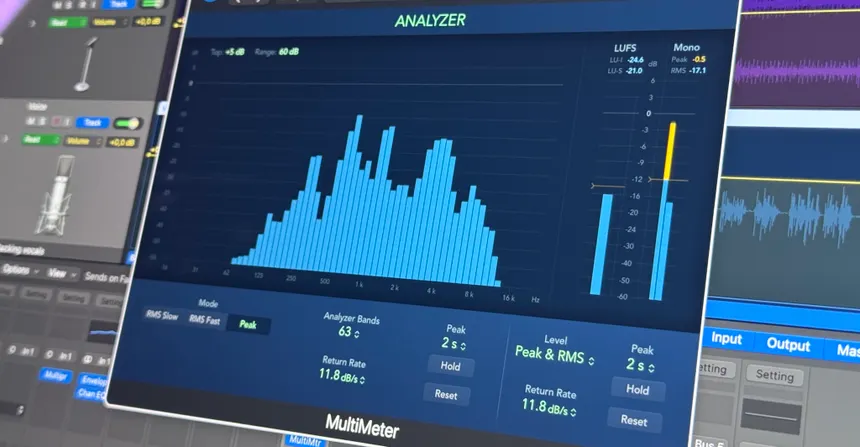
The 2025 sound of Afro-fusion and Amapiano relies heavily on the “Log Drum”—a deep, percussive bass element that defines the groove and emotional weight of the record. When not handled carefully, this powerful sound can easily overwhelm an Afrobeat mix, masking the kick, clashing with the bassline, and reducing overall clarity.
Because the log drum occupies a wide low-frequency range while also carrying rhythmic information, it must be precisely balanced to maintain both impact and control. Proper EQ, saturation, and dynamic processing are essential to ensure the log drum hits hard without dominating the mix. When treated correctly, it adds bounce, depth, and modern character; when mismanaged, it can quickly turn an otherwise clean Afrobeat production into a muddy and unbalanced track.
Sidechain Strategies for Highlife and Amapiano Bass
The kick and the log drum often fight for the 50Hz to 100Hz territory. Use frequency-dependent sidechaining to duck only the low frequencies of the log drum when the kick hits. This ensures the kick has “thump” while the log drum maintains its percussive “knock” in the mid-range.
Sub-Harmonic Enhancement for Modern Afro-Fusion
Sometimes the low end feels empty even if the volume is high. Use a sub-harmonic synthesizer (like Waves Renaissance Bass or LoAir) to add controlled sub-information below 60Hz. This provides that “physical” feeling found in professional club mixes.
Vocal Excellence: Achieving the Silky Afrobeat Mixing
In Afrobeat mixing, the vocal is king, serving as the emotional centerpiece and primary point of connection for the listener. It needs to be bright, forward, and perfectly controlled so it can sit confidently above the rhythm-heavy instrumental without sounding harsh or unnatural. Clear articulation, consistent dynamics, and a polished tone are essential, especially in a genre where melodic delivery and lyrical flow drive the song’s identity.
Proper EQ, compression, and subtle effects like delay and reverb help the vocal cut through dense percussion while still feeling warm and present. When the vocal is mixed correctly, it commands attention effortlessly, guiding the listener through the track and tying the entire Afrobeat production together.
Serial Compression for Consistent Vocal Performance
Instead of using one compressor for 10dB of gain reduction, use two. A fast FET compressor (like an 1176) to catch the peaks, followed by a slower Opto compressor (like an LA-2A) for smoothing. This is a staple among Advanced Afrobeat Mixing Techniques for achieving a radio-ready vocal.
Creative Delay and Reverb Throws for Call-and-Response
Afrobeat vocals often utilize “Call and Response.” Enhance this by using automated delay throws on the last word of each phrase. Use a ping-pong delay with a 1/4 note timing, filtered to remove the low and high end (the “telephone” effect), to add depth without cluttering the center of the mix.
Harmonic Depth: Saturation and Stereo Imaging
A great mix should feel wide and warm, not static and overly digital, creating a sense of depth and movement that keeps the listener engaged. Width allows each element to occupy its own space across the stereo field, while warmth adds character, richness, and a more organic feel to the overall sound. Subtle saturation, well-balanced reverbs, and thoughtful panning can transform a flat mix into one that feels alive and immersive.
Instead of sounding rigid or sterile, the music should breathe, with smooth transitions and natural dynamics that enhance the groove. When a mix achieves this balance, it feels timeless, musical, and emotionally inviting rather than cold or mechanical.
Mid-Side EQ for Polyrhythmic Separation (Afrobeat Mixing)
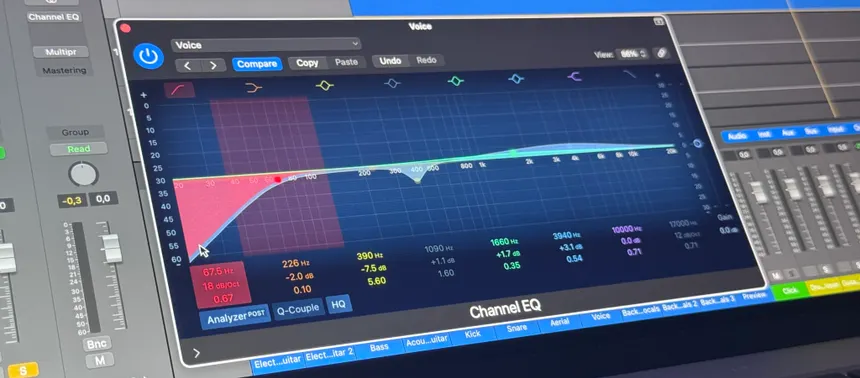
Afrobeat tracks have a lot of “side” information. Use a Mid-Side EQ to boost the high frequencies (above 8kHz) only on the sides. This makes the shakers and percussion feel like they are wrapping around the listener’s head, leaving the “mid” channel clear for the kick, snare, and lead vocal.
Using Tape Saturation for Analog Warmth (Afrobeat Mixing)
Digital Afrobeat Mixing can often feel cold. Apply tape saturation to your melodic instruments (pianos, guitars, and synths) to add harmonic overtones. This smooths out harsh transients and creates the “burnt sugar” warmth that defines the Lagos sound.
The Master Bus: Final Polish and Loudness (Afrobeat Mixing)
The final 5% of the mix happens on the master fader.
Soft Clipping vs Limiting for Afrobeat Transients (Afrobeat Mixing)
Heavy limiting can kill the “snap” of Afrobeat percussion. Instead of relying solely on a limiter, use a soft clipper (like T-Racks Classic Clipper) to shave off the top 1-2dB of transients. This allows you to push the track louder while maintaining the aggressive “knock” of the drums.
Tonal Balance Control for Global Chart Competitiveness (Afrobeat Mixing)
Use a reference tool to compare your frequency spectrum against top Afrobeat hits. If your low-mid range (200Hz-500Hz) is too high, your mix will sound “boxy.” Clearing this area is a pro secret that separates the amateurs from the elites.
Conclusion: Elevate Your Afrobeat Production (Afrobeat Mixing)
Mastering Advanced Afrobeat Mixing Techniques is a journey of constant refinement. By focusing on rhythmic clarity, low-end management, and vocal silkiness, you can transform your tracks into professional-grade productions ready for global distribution.
Ready to take your sound to the next level? Visit to discover our premium collections, including . Don’t forget to grab our to start practicing these techniques today.
FAQ: Advanced Afrobeat Mixing Techniques
1. What are the most important Advanced Afrobeat Mixing Techniques?
The most critical techniques are frequency slotting for percussion, serial compression for vocals, and sidechaining the log drum to the kick to maintain low-end clarity.
2. How do I stop my log drum from clashing with the kick?
Use a dynamic EQ or a frequency-specific sidechain compressor to duck the low frequencies of the log drum whenever the kick drum triggers.
3. What is the best reverb for Afrobeat vocals?
Large plate reverbs or short “lush” rooms work best. Always use a high-pass filter (up to 300Hz) on your reverb return to prevent the mix from becoming muddy.
4. How wide should I pan my percussion?
In Afrobeat Mixing, you can be aggressive. Pan your main shakers 40-60% left/right and keep your “ear candy” percussion even wider. Keep the kick, snare, and lead vocal strictly in the center.
5. Should I mix Afrobeat in mono or stereo?
Always check your mix in mono. Because Afrobeat relies on complex rhythms, if those rhythms disappear in mono, your track will sound weak in clubs or on phone speakers.
6. How do I get my Afrobeat mix to sound loud?
Use a combination of soft clipping and transparent limiting. Focus on removing unnecessary low frequencies (below 30Hz) from all non-bass instruments to create more headroom.
7. Do I need analog gear for a professional Afrobeat mix?
No. Modern plugins have advanced to the point where you can achieve an “analog” sound entirely inside your DAW using saturation and high-quality emulations.