
The heartbeat of modern global pop music is rooted in the complex, polyrhythmic soul of West Africa. Whether you are listening to the top charts in Lagos, London, or Los Angeles, the rhythmic foundation is unmistakable. However, many producers struggle with Afrobeat Drum Patterns Explained because they overlook the crucial swing, velocity variations, and ghost-note placements that define the genre’s “bounce.”
Understanding the Afrobeat Drum Patterns Explained requires a shift in how you view the 4/4 grid. It is not about landing every hit on the beat; it is about the “conversation” between the percussion instruments. This guide is designed to take you from basic loops to world-class rhythmic arrangements.
1. The DNA of Rhythm: Afrobeat Drum Patterns Explained
To truly grasp Afrobeat Drum Patterns Explained, one must understand the history of Afrobeat revolutionary movements led by pioneers like Fela Kuti and his drummer Tony Allen. The original sound was a blend of jazz, funk, and traditional Yoruba music.
In modern production, this has evolved into “Afrobeats” (with an ‘s’), which is more digital and minimalist. However, the core principle remains the same: the drums are the lead instrument. Everything else—the bass, the synth, and the vocals—must dance around the drum pattern.
2. The 3-2 Clave Influence in West African Percussion
While Afrobeat is written in 4/4 time, its “soul” is often felt in a triplet or clave-based structure. The 3-2 clave is a rhythmic pattern that provides a steady yet syncopated pulse. Instead of a standard metronome-like beat, the clave creates a circular feeling that encourages movement.
3. Kick Drum Placement: The Foundation of the Bounce
The kick drum in Afrobeat is rarely a simple four-on-the-floor pattern like the ones commonly heard in House music. Instead, it plays a more syncopated and expressive role, designed to interact closely with the percussion and bass rather than dominate the groove.
A well-crafted Afrobeat Drum Patterns often places the kick in unexpected pockets, creating movement, swing, and a natural sense of bounce. These subtle variations give the rhythm its infectious feel, allowing the track to breathe while keeping listeners locked into the groove. By avoiding rigid repetition and embracing rhythmic complexity, Afrobeat producers create Afrobeat Drum Patterns that feel organic, dynamic, and deeply rooted in dance and musical storytelling.
Syncopated Kick Patterns
When studying Afrobeat Drum Patterns, you will notice the kick often avoids the “2” and “4” beats. Instead, it hits on the “1” and then uses “upbeat” placements to create a sense of forward momentum. This syncopation is what allows the bassline to breathe.
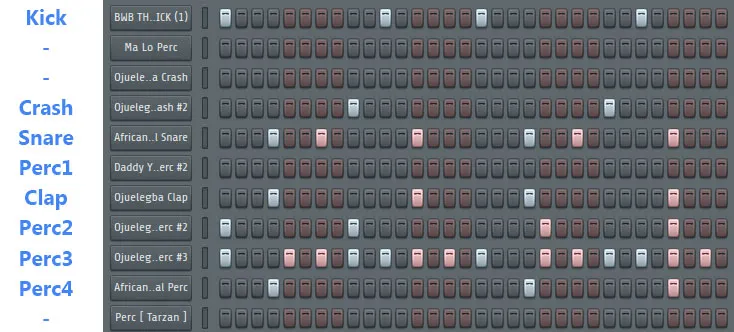
4. Snare and Rimshot Syncopation Techniques
The snare in this genre is often not a single sound, but a carefully layered combination of a traditional snare, a woody rimshot, and a sharp clap. Each layer serves a specific purpose in Afrobeat Drum Patterns: the snare provides body, the rimshot adds character and groove, and the clap delivers brightness and presence.
Together, they create a snare hit that cuts through the mix while still feeling warm and organic. This layered approach is essential to achieving an authentic Afrobeat Drum Patterns, as it helps maintain clarity and energy without sounding harsh or overly aggressive. When balanced correctly, the snare becomes a rhythmic anchor that reinforces the groove and enhances the track’s overall bounce.
The Role of the Rimshot
The rimshot usually provides the “snap” that keeps the listener locked in. By placing rimshots on the “off-beats” and slightly off the grid, you create a “shuffle” that is essential for a professional bounce. If you want to achieve this instantly, using Afrobeat drum kits essential packs guide resources can provide the exact textures needed.
5. Afrobeat Drum Patterns Explained: The Role of Shakers
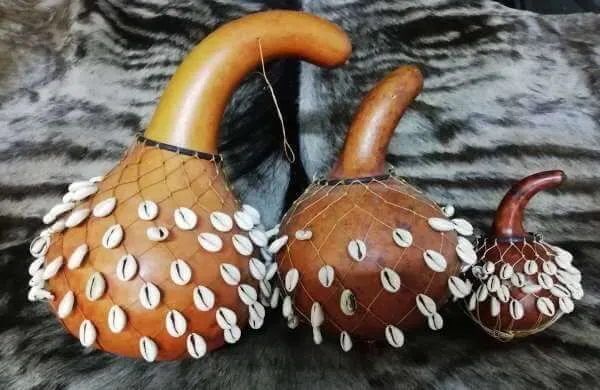
You cannot have an authentic track without the shaker in the Afrobeat Drum Patterns, as it plays a crucial role in defining the groove and overall feel of the rhythm. The shaker provides the high-end energy that keeps the beat moving, filling the spaces between the kick and snare with constant motion and flow.
More than just a texture, it acts as the rhythmic glue that ties the entire drum pattern together, adding swing, momentum, and life to the track. When programmed with subtle velocity changes and proper panning, the shaker enhances clarity and bounce without overpowering the mix, making it an essential element in achieving a polished and authentic Afrobeat rhythm.
Layering Shaker Loops
A common secret in Afrobeat Drum Patterns Explained is the use of multiple shaker layers. One shaker might play a steady 16th-note pattern, while a second “accent” shaker plays a more rhythmic, syncopated loop. This creates a complex wall of sound that feels organic.
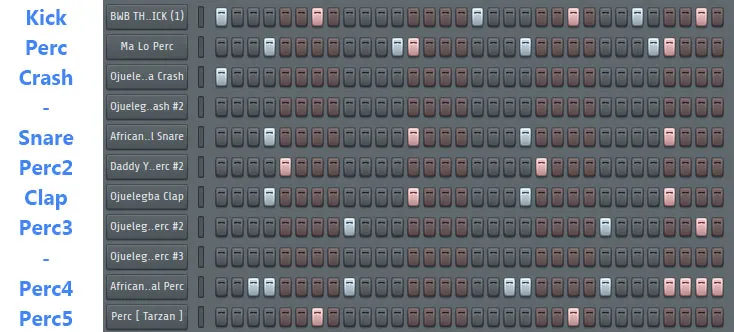
6. Ghost Notes and Velocity: Adding the Human Feel
Static MIDI is the enemy of groove, especially in rhythm-driven genres like Afrobeat. In the context of Afrobeat Drum Patterns Explained, velocity becomes one of your most powerful tools for creating a natural, human feel. By varying the velocity of each hit, you introduce subtle accents and dynamics that make the rhythm breathe and move.
Louder hits emphasize the groove, while softer hits fill the spaces and add flow without overcrowding the mix. This controlled inconsistency is what transforms a rigid, mechanical pattern into a lively Afrobeat rhythm that feels organic, danceable, and emotionally engaging.
Creating the “Human” Groove
Ghost notes are very quiet hits (usually snares or hi-hats) that sit between the main beats. They are felt more than they are heard. By varying the velocity of every percussion hit, you mimic a real human drummer, which is a hallmark of the how to make Afrobeat like Wizkid production style.
7. Modern Afro-Fusion vs. Traditional Highlife Drums
The genre has split into several sub-genres. Modern Afro-fusion (Burna Boy, Rema) often uses cleaner, harder-hitting kicks influenced by Trap. Traditional Highlife relies more on live congas and organic woodblocks. Knowing which style you are aiming for will determine your sample selection.
8. Essential Hardware and Software for Afrobeat Production
- DAW: FL Studio and Ableton Live are favorites for their “swing” engines.
- Plugins: Native Instruments Battery 4 or XLN Audio Addictive Drums 2 for organic textures.
- MIDI Controllers: Pad-based controllers like the MPC or Maschine are ideal for tapping out rhythms naturally.
9. Advanced Mixing Tips for Percussive Clarity
With so many rhythmic elements playing at the same time, your mix can quickly become muddy if everything competes for the same space. Kicks, snares, shakers, congas, and percussion layers all occupy overlapping frequencies, and without proper control, the groove can lose clarity and impact.
Strategic EQ, panning, and subtle volume balancing are essential to give each element its own place in the mix. When managed correctly, every rhythm remains audible and energetic, allowing the beat to feel full and complex without sounding cluttered or overwhelming.
Frequency Slotting and Sidechaining
Every percussive hit needs its own space. Use EQ to carve out the low-mids of your shakers to leave room for the snare. Additionally, using a sidechain compression advanced guide technique will ensure your kick stays dominant without drowning out the intricate percussion.
10. Arranging Your Drum Loops for Maximum Energy
Don’t just loop the same 4 bars for three minutes. Start with a simple shaker and kick, and gradually introduce the rimshots and congas as the song progresses. This “additive” arrangement keeps the listener engaged and builds tension toward the chorus.
Conclusion: Mastering the West African Rhythm
Mastering Afrobeat Drum Patterns Explained is about more than just placing dots on a grid; it is about feeling the “swing” and understanding the conversation between different drums. By focusing on syncopation, ghost notes, and authentic sample selection, you can elevate your production to a professional level.
Ready to take your beats to the next level? Visit www.wtmhstudio.com for the most authentic Afrobeat drum kits and midi kits elevate your production workflow solutions available on the market today.
FAQ: Afrobeat Drum Programming
1. What is the standard BPM for Afrobeat?
The standard range is 95 to 110 BPM. Most modern tracks sit comfortably at 100-105 BPM.
2. How do I make my drums sound more organic?
Use a mix of live-recorded loops and MIDI. Most importantly, avoid 100% quantization and vary your velocity levels.
3. Afrobeat Drum Patterns Explained: Do I need a live drummer?
No. With modern midi kits elevate your production workflow, you can program realistic patterns that sound like a live session.
4. What is the difference between Afrobeat and Afrobeats?
Afrobeat (singular) refers to the 1960s/70s jazz-funk hybrid. Afrobeats (plural) is the modern, digital pop sound of West Africa.
5. Which percussion instruments are essential?
The conga, shaker (shekere), woodblock, and the “talking drum” are foundational to the sound.