
What makes Amapiano Addictive?
It is the sound that took over the world quietly, through encrypted files shared via WhatsApp and infectious TikTok dance challenges. Amapiano, the South African house music phenomenon, has evolved from a township sound to a dominant global force, influencing pop stars, filling international clubs, and achieving massive streaming numbers. Its success is not accidental; it is built on a genius combination of rhythmic trickery, cultural context, and sonic simplicity.
The question “What makes Amapiano Addictive?” requires a deep dive into its unique rhythmic engine, which deviates sharply from Western dance music norms. The genre uses calculated delays, simple harmony, and a unique bass sound to create a constant state of anticipation and release. This ultimate guide provides a comprehensive, expert breakdown of the eight essential musical and cultural secrets that make Amapiano the most captivating and essential genre of 2025.

The Low-End Weapon: Decoding the Signature Log Drum Sound
What makes Amapiano Addictive? The Log Drum is the single most recognizable and essential element of Amapiano. It is not an acoustic instrument, but a synthesized, deep, and heavily distorted sub-bass sound that acts as both the bassline and a percussive element.
The Genesis of the Log Drum (The “Ama-Piano” Piano)
The Log Drum sound originated, ironically, from the Ama-Piano (Zulu for “The Pianos”) element—a misconfigured or overdriven setting on Native Instruments’ Logic/Fruity Loops soft synths (specifically, the FM synthesis of a keyboard patch) that was heavily saturated and low-passed. This accidental discovery created a sound that hits low, is rich in harmonics, and cuts through any system.
Technical Breakdown: The Square Wave and Low-Pass Filter
Technically, the Log Drum is typically a heavily distorted square or sine wave, saturated to create powerful mid-range harmonics, then shaped by a rapid attack envelope and a high-resonance low-pass filter. This combination gives it the percussive thwack of a drum and the sustaining boom of a bass.
Syncopation and the Irregular Bassline Groove
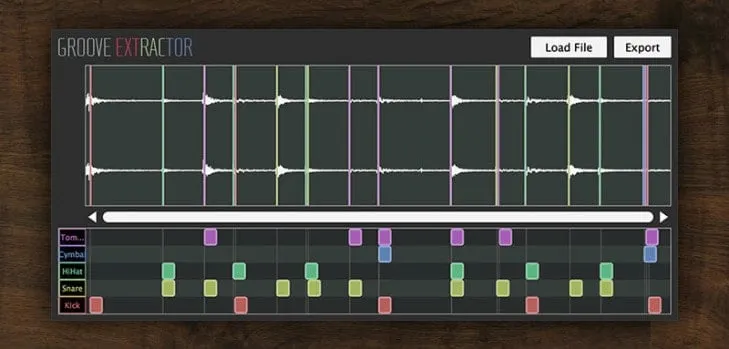
The Log Drum rarely plays a straight, predictable 4/4 bassline. Instead, it uses complex syncopation and short, irregular phrases that create a constantly shifting, almost conversational groove with the rest of the percussion. This irregular bassline is a key factor in why Amapiano Addictive rhythms feel so unique.
The Rhythmic Complexity: Amapiano Rhythmic Structure and Tempo
What makes Amapiano Addictive? Amapiano subverts the rhythmic expectations of traditional house music, creating a “push and pull” tension that keeps the listener engaged.
The Shaker Loop and the Off-Beat Percussion
The foundation of the high-end rhythm is usually a fast, continuous shaker loop (shaker, hi-hats, etc.) that acts as a rhythmic constant. Against this constant, small, off-beat percussion hits and metallic clicks are strategically placed to fill the rhythmic gaps. This contrast between consistency and syncopation is highly stimulating.
The Delayed Kick Drum Placement (Delayed Gratification)
This is the most critical secret. In standard house music, the kick drum lands heavily on the 1, 2, 3, and 4. In Amapiano, the kick drum is often delayed by a few milliseconds (or swung), creating a subtle drag or “stutter.” This slight delay forces the brain to compensate, generating a feeling of “delayed gratification” and making the groove incredibly deep and infectious.
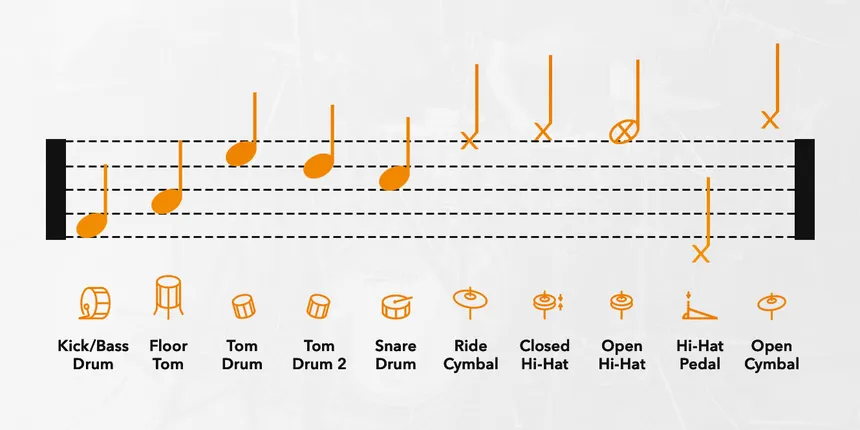
The Amapiano rhythmic structure is defined by this pocket. You can explore this further by checking out our essential Amapiano drum kits.
The Mid-Tempo Sweet Spot (110-115 BPM)
What makes Amapiano Addictive? Amapiano’s preferred tempo sits squarely between Deep House (120-128 BPM) and Hip Hop (90-100 BPM). This 110-115 BPM sweet spot is slow enough to feel soulful and deep, yet fast enough to maintain the energy of a dance track, allowing dancers to execute complex footwork and body movements.
Cultural DNA: Kwaito Influence on Amapiano and Deep House
Amapiano is the latest evolution in the South African house music lineage, directly owing its rhythmic identity to two predecessor genres.
Tracing the Slowed Tempo from Kwaito’s Origins
Kwaito, the genre that defined post-apartheid South Africa, was characterized by its slow, heavy, often swaggering beats (around 100-110 BPM), rooted in sampling and hip-hop culture. Amapiano inherits this slowed, deliberate pace, contrasting with the faster tempos of early Deep House.
The Deep House Foundation: Atmosphere and Mood
The harmonic and textural elements of Amapiano are drawn directly from South African Deep House—lush pads, atmospheric effects, and an emphasis on mood over aggressive energy. This cultural blending of Kwaito’s rhythm and Deep House’s texture is key to embracing genre-bending music production.
The Sonic Atmosphere: Pads, Chords, and the Emotional Core
What makes Amapiano Addictive? The “Piano” in Amapiano refers not to the Log Drum, but to the genre’s harmonic backbone.
The Jazz Chord Progressions and Minor Keys
Amapiano frequently utilizes minor keys and soulful jazz chord progressions (7ths, 9ths, and 13ths) which provide a sophisticated emotional depth. What makes Amapiano Addictive? This creates a contrast: the rhythm section is raw and driving, while the harmony is melancholic and introspective. Mastering jazz chord progressions and music composition is essential to understanding the genre.
The Use of Lush, Wide Synth Pads (The “Piano” Element)
Wide, heavily reverbed synth pads fill the high-end space, adding warmth and soul. These pads often move slowly, sustaining over the driving rhythm, giving the music its characteristic feeling of both movement and stillness.
Vocal Technique: Chops, Samples, and the Cultural Language
Amapiano uses vocals less for narrative singing and more for percussive texture, fitting the minimalist production style.
The Signature Use of Vocal Chops and Repetition
Short, pitched-up, or glitched vocal chops are often used as rhythmic fills, acting as another percussive layer instead of a main melody. What makes Amapiano Addictive? Their repetitive use is highly catchy and contributes to why Amapiano Addictive tracks stick in the listener’s head.
Lyrical Themes and the Use of Slang (IsiZulu, Pitori)
When vocals are present, they are often delivered in South African vernaculars (IsiZulu, Pitori), focusing on themes of partying, love, and life in the townships. This local language barrier paradoxically added to its global appeal, making it feel authentic and mysterious to non-South African listeners.
Global Viral Strategy: How Amapiano Achieved Global Appeal
The success of Amapiano is a masterclass in modern, non-traditional music distribution.
The Power of WhatsApp Distribution (Pre-Streaming)
Before official streaming distribution,What makes Amapiano Addictive? Amapiano tracks were spread virally in South Africa via shared files on WhatsApp groups. This peer-to-peer distribution created an organic, ground-up buzz that circumvented traditional gatekeepers and confirmed the music’s demand.
TikTok and Dance Challenges: The Visual Component
The mid-tempo, shuffle-friendly rhythm is perfect for simple yet stylish dance routines (like the Pouncing Cat). TikTok dance challenges became the primary vehicle for Amapiano global appeal, translating the auditory rhythm into a visual, shareable phenomenon.
Production Secrets: The Minimalist Approach That Makes Amapiano Addictive
The final secret is the genre’s commitment to minimalism—a philosophy of “less is more.”
Focusing on Groove Over Complexity
Unlike EDM or mainstream pop, Amapiano is rarely cluttered with layers of unnecessary sounds. The space between the rhythmic hits is as important as the hits themselves. What makes Amapiano Addictive? The core elements—Log Drum, Shaker, Pad, Vocal Chop—are given room to breathe, maximizing their individual impact.
Mastering Dynamics and Headroom for the Log Drum
Because the Log Drum is so dominant, producers must master dynamics and headroom, using advanced sidechain compression techniques to ensure the sub-bass hits are impactful without clipping the entire mix. This focus on low-end purity is critical.
Production Hacks and Free VSTs Used in the Early Days
The early sounds were often crafted using simple production hacks and free VSTs, giving the music a raw, unique sonic fingerprint that couldn’t be easily replicated by highly polished commercial producers.
The Psychological Hook: Why the Amapiano Addictive Groove Never Fades
The true power of Amapiano lies in its ability to generate psychological pleasure through rhythmic tension.
The “Delayed Gratification” Effect of the Kick Drum
The slightly delayed kick drum and syncopated Log Drum constantly tease the listener, creating an expectation for the beat drop that is never fully resolved in a predictable way. What makes Amapiano Addictive? This tension and release cycle is neurologically stimulating, contributing to the Amapiano Addictive quality.

The Role of Sub-Bass Frequencies in Emotional Impact
The constant, low-frequency pressure from the Log Drum resonates physically with the listener, influencing movement and mood on a primal level. Research on syncopation and neurological pleasure responses suggests that music which plays with rhythmic expectations is highly rewarding to the brain.
Amapiano is a genius fusion of culture and technology. What makes Amapiano Addictive? It is Amapiano Addictive because its rhythms are familiar enough to feel like house music, yet complex enough to constantly surprise the body. Its core is a rhythmic system designed for perpetual groove and social connection. Dive into the deep cuts and experience the full power of the sound.
FAQ: What makes Amapiano Addictive? Questions Answered
1. What is the Log Drum, and why is it essential to Amapiano?
The Log Drum is a synthesized, heavily filtered sub-bass sound that serves as both the bassline and a percussive element. It is essential because its syncopated, irregular placement, rather than the kick drum, defines the unique, infectious groove of the entire genre.
2. What makes the Amapiano rhythmic structure different from normal house music?
The key difference is the placement of the kick drum, which is often delayed by a few milliseconds (swung) and sits against the syncopated bassline. This creates a push-and-pull, “delayed gratification” effect, making the rhythm feel more complex and compelling than the straight 4/4 beat of typical house music.
3. Where did Amapiano originate, and who were the pioneering artists?
Amapiano originated in the townships of Pretoria, South Africa, around 2012-2015. Pioneering artists include Kabza De Small, Mfr Souls, and DJ Maphorisa, who were instrumental in formalizing the production style.
4. What is the relationship between Amapiano and Kwaito?
Amapiano is considered an evolution of Kwaito. It inherits Kwaito’s slower tempo (around 110-115 BPM) and its focus on local South African culture and deep grooves, mixing it with the atmospheric elements of Deep House.
5. What is the typical BPM range for Amapiano tracks?
The typical BPM range for Amapiano tracks is between 110 and 115 BPM. This mid-tempo range is crucial, as it allows for the complex rhythmic elements to be fully appreciated while still encouraging movement and dance.
6. How has Amapiano achieved its massive global appeal?
Amapiano achieved its massive global appeal through grassroots viral distribution (WhatsApp sharing), its visual component on social media (TikTok dance challenges), and high-profile collaborations with international artists, which introduced the unique sound to new territories.
7. What kind of synth pads are typically used in Amapiano?
Amapiano typically uses lush, wide, and heavily reverbed synth pads, often utilizing soulful jazz chord progressions (7ths and 9ths) in minor keys. This harmonic sophistication provides the “Piano” element and creates the genre’s characteristic emotional depth.