
The hypnotic rhythm of Amapiano Log Drums has captivated global audiences, transforming South African house music into an international phenomenon. These distinctive percussive elements, characterized by their woody, melodic tones and infectious groove, define the genre’s signature sound. However, achieving the professional clarity, punch, and spatial presence heard in chart-topping Amapiano productions requires specific mixing and sound design techniques that separate amateur attempts from commercial-quality results.
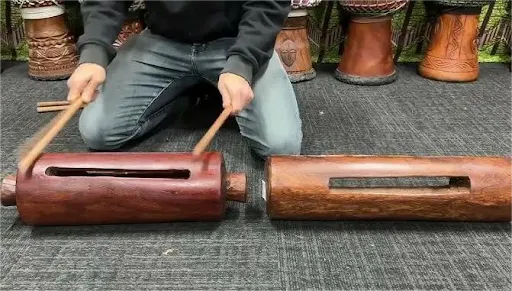
Amapiano Log drums, derived from traditional African percussion instruments, occupy a unique sonic space in Amapiano productions. Unlike standard kick and snare patterns, log drums provide both rhythmic drive and melodic content, creating the hypnotic, dance-inducing grooves that define the genre. Their frequency range overlaps with bass, melodic elements, and other percussion, making proper mixing crucial to prevent muddy, cluttered productions that lack the clarity and impact of professional tracks.
This comprehensive guide reveals eight essential mixing and sound design secrets that professional Amapiano producers use to craft perfect Amapiano Log drums sounds. From frequency management and compression techniques to layering strategies and spatial placement, you’ll discover the exact processes that transform basic log drum samples into the polished, powerful percussion that dominates streaming platforms and club systems worldwide. Whether you’re producing your first Amapiano track or refining your established sound, these proven techniques will elevate your Amapiano Log drums mixing to professional standards.
Understanding Amapiano Log Drums Characteristics
Before implementing advanced mixing techniques, understanding the fundamental sonic characteristics of Amapiano Log Drums proves essential. These unique percussion elements possess specific frequency profiles, tonal qualities, and rhythmic functions that distinguish them from other drum sounds and inform all subsequent processing decisions.
Amapiano Log drums occupy a frequency range roughly between 200Hz and 800Hz, with fundamental pitches typically falling in the lower-midrange spectrum. This placement creates their characteristic woody, hollow tone that feels simultaneously percussive and melodic. The fundamental frequency provides the perceived pitch, while upper harmonics between 1kHz and 4kHz contribute presence and attack definition. Understanding this frequency distribution allows strategic EQ and mixing decisions that enhance rather than fight the natural character.
The tonal nature of Amapiano Log drums means they’re often tuned to specific notes that complement the track’s key signature. Professional producers select or tune log drum samples to match their bassline and chord progression, creating harmonic cohesion throughout the production. This musicality distinguishes Amapiano from genres using purely rhythmic, atonal percussion. When sourcing samples, prioritize quality Amapiano drum kits that provide log drums in multiple tunings or include MIDI information for pitch adjustment.
The attack characteristics of Amapiano Log drums vary based on playing technique and sample processing. Traditional log drums feature relatively slow attacks compared to snares or claps, with the transient developing over 10-30 milliseconds rather than instantaneously. This softer attack contributes to the laid-back, groovy feel of Amapiano rhythms. However, some producers enhance attack transients through layering or transient shaping to create more aggressive, club-ready sounds. Understanding your desired aesthetic guides whether to preserve natural characteristics or modify them through processing.
The decay and sustain phases define how Amapiano Log drums interact rhythmically with other elements. Longer decay times create overlapping, flowing rhythms where successive hits blend together. Shorter decays produce tighter, more separated patterns with distinct rhythmic definition. Professional Amapiano productions typically balance these approaches, using longer decays during verses for hypnotic flow and tighter sounds during drops for rhythmic clarity and impact.
EQ Strategies for Clarity and Presence
Proper equalization separates muddy, cluttered log drum mixes from the crystal-clear percussion heard in professional Amapiano productions. Amapiano Log Drums require strategic frequency management that enhances their natural character while creating space for other mix elements.
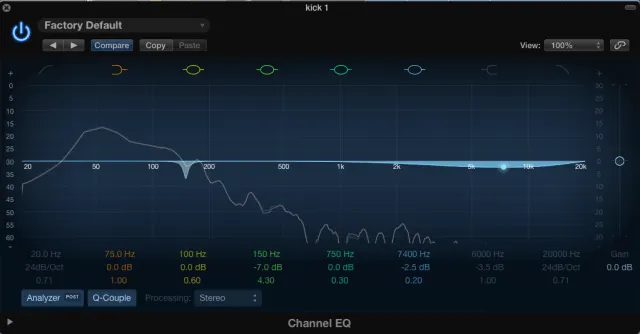
Begin with subtractive EQ, removing problematic frequencies before applying boosts. High-pass filter log drums around 150-200Hz, removing sub-bass frequencies that cause muddiness and conflict with kick drums and basslines. This filtering focuses the log drum energy in its natural range while preventing low-frequency buildup that wastes headroom and creates phase issues. Use a gentle slope around 12dB per octave to maintain natural warmth while cleaning the low end.
Address the 250-400Hz range carefully, as this area often accumulates boxiness and muddiness in log drum sounds. Identify specific resonant frequencies by sweeping a narrow boost through this range until you find the most problematic spot, then apply a narrow cut of 2-4dB. This surgical approach removes only the offensive frequency while preserving the body and weight that define log drum character. According to frequency response principles studied by audio engineers, even small cuts in this range dramatically improve clarity without audibly thinning the sound.
Boost presence and attack definition by enhancing frequencies around 2-4kHz. This range contains the transient information and stick attack that helps log drums cut through dense mixes. Apply a broad, gentle boost of 2-3dB using a bell curve with a Q value around 1.0-1.5. Avoid narrow, aggressive boosts that create harshness or artificial-sounding results. The goal is subtle enhancement that increases intelligibility without drawing conscious attention to the processing.
Add air and sparkle by applying a high-shelf boost starting around 8-10kHz. This enhancement, typically 1-2dB, adds brightness and modern polish without creating harshness. However, use this technique selectively, not every log drum requires high-frequency enhancement. Verify improvements by A/B comparing processed and unprocessed versions at matched levels, ensuring the boost provides genuine benefit rather than simply making the sound louder or different.
Dynamic EQ techniques provide advanced control for problematic resonances that appear only at specific dynamics. If log drums sound balanced at moderate levels but develop harshness or boominess when hit hard, implement dynamic EQ that reduces offensive frequencies only when they exceed specified thresholds. This approach maintains natural tone during normal playing while controlling peaks that would otherwise require excessive static cutting. For comprehensive mixing approaches, explore professional mixing techniques that apply across percussion elements.
Compression Techniques for Log Drum Punch
Compression transforms good log drum sounds into punchy, impactful percussion that drives Amapiano grooves with professional power. Amapiano Log Drums benefit from specific compression approaches that enhance their natural character while controlling dynamics for consistent, powerful presence.
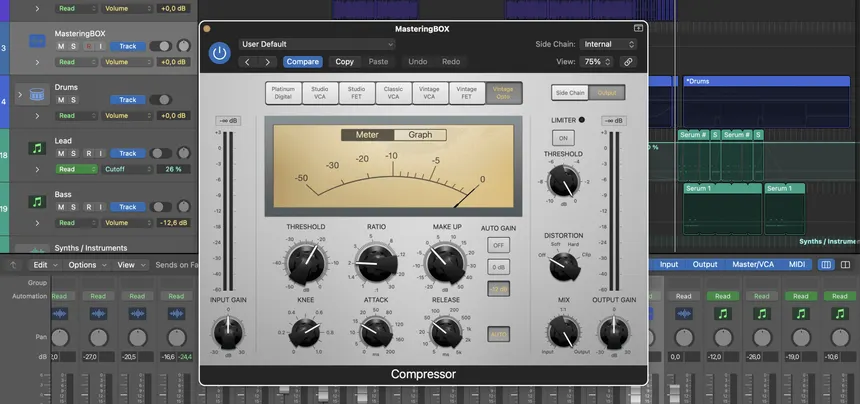
Set compressor attack times between 10-30 milliseconds to allow the initial transient punch through while controlling the body of the sound. Faster attacks around 5-10ms create tighter, more controlled sounds suitable for aggressive, club-focused productions. Slower attacks around 30-50ms preserve more natural dynamics and work better for laid-back, groovy tracks. The optimal setting depends on your source material and desired aesthetic, so experiment while monitoring both the transient impact and overall energy.
Configure release times to complement your track’s tempo and groove. A useful starting point involves setting release to match the space between log drum hits, typically between 100-250ms for standard Amapiano tempos around 112-115 BPM. This approach allows the compressor to reset before the next hit, preventing gain reduction buildup that dulls the groove. For more aggressive pumping effects that emphasize rhythm, use shorter releases around 50-100ms that create obvious dynamic movement synchronized to the beat.
Apply moderate compression ratios between 3:1 and 6:1 for natural-sounding dynamic control. Higher ratios around 8:1 or above create more obvious compression effects suitable for heavily processed, modern Amapiano sounds. Target 3-6dB of gain reduction on the loudest hits, providing consistent control without destroying dynamics. Excessive compression, reducing gain by 10dB or more, typically sounds over-processed and lifeless except when used as creative parallel processing.
Parallel compression adds density and power while maintaining natural dynamics. Send Amapiano Log drums to an auxiliary track with heavy compression using fast attack, medium release, and aggressive ratios around 8:1 or higher. Process this parallel signal to sound thick, dense, and obviously compressed, then blend it underneath the dry signal at 20-30% volume.
This technique, sometimes called New York compression, combines the punch and dynamics of uncompressed audio with the consistency and power of heavily compressed audio. For detailed compression implementation, reference advanced sidechain compression techniques that explain parameter interactions comprehensively.
Multi-band compression provides surgical control over different frequency ranges within log drum sounds. Compress the low-mids around 200-500Hz more heavily to control boominess and muddiness while applying gentler compression to higher frequencies that contain attack definition. This frequency-specific approach maintains natural transient snap while tightening the body of the sound, creating polished results impossible with broadband compression alone.
Layering Multiple Log Drum Samples
Professional Amapiano producers rarely rely on single log drum samples. Instead, they layer multiple Amapiano Log drums sounds with complementary characteristics, creating rich, full-bodied percussion that maintains interest throughout extended tracks. Amapiano Log Drums achieve their signature depth and complexity through strategic sample layering.
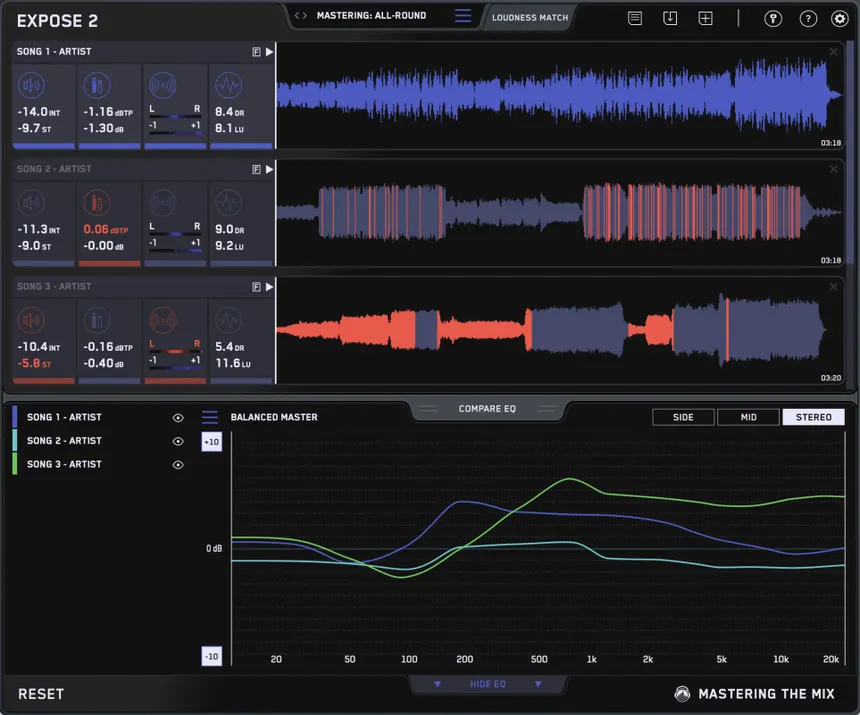
Start with a foundation sample that provides the core tone and character you’re building around. This primary Amapiano Log drums should have strong fundamental frequency content and balanced overall tone. Ensure it’s properly tuned to your track’s key signature, as this foundational element establishes the melodic identity. Process this layer first with EQ and compression before adding additional samples, establishing a solid base that other layers enhance rather than compete with.
Add a transient layer focused on attack definition and presence. Select a log drum sample or percussion element with sharp attack characteristics and strong high-frequency content. High-pass filter this layer around 1-2kHz, removing body frequencies that would conflict with your foundation layer. This transient-focused sample adds punch and clarity without muddying the low-mids. Adjust the volume so it’s barely audible in isolation but noticeably improves definition when combined with the foundation.
Include a body layer that fills the frequency spectrum between foundation and transient layers. This middle layer occupies roughly 500Hz-2kHz, adding warmth and presence. EQ away frequencies that overlap significantly with other layers, creating distinct sonic zones for each element. This frequency separation prevents masking and ensures each layer contributes unique sonic information rather than simply making the combined sound louder.
Consider adding a sub layer if your log drums need additional low-end weight and power. Use a sine wave bass hit or low-tuned percussion sample filtered below 200Hz. This sub enhancement creates physical impact on large systems without cluttering the musical midrange where the main log drum character resides. Keep this layer subtle, mixed just loud enough to feel rather than hear consciously.
Vary the timing slightly between layers to create natural, organic feel. Offset transient layers by 1-5 milliseconds ahead of the foundation layer, making attacks more prominent. Delay body layers slightly behind the foundation, creating a sense of depth and dimension. These micro-timing adjustments, when used subtly, prevent layered sounds from feeling artificially perfect while enhancing perceived depth. For additional layering strategies, explore layering samples across different kits for unique textural combinations.
Stereo Imaging and Spatial Placement
Strategic stereo placement creates the wide, immersive percussion field characteristic of professional Amapiano productions. Amapiano Log Drums benefit from thoughtful spatial positioning that creates depth and separation without compromising mono compatibility or low-frequency power.
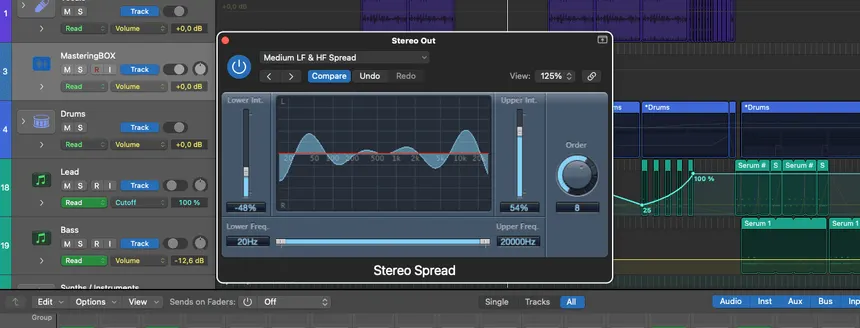
Keep the primary Amapiano Log drums pattern, particularly the lowest-pitched and most prominent hits, centered in the stereo field. This mono positioning ensures maximum power and impact while maintaining compatibility with mono playback systems common in clubs and on mobile devices. The centered log drums anchor the rhythm section, providing solid foundation that stereo elements can dance around without destabilizing the groove.
Pan secondary Amapiano Log drums patterns and fills progressively wider to create stereo interest. Position complementary patterns at 30-50% left and right, creating width without extreme separation that can sound disjointed. Higher-pitched log drums can be panned more dramatically, up to 70-80% in either direction, as higher frequencies naturally create less phase issues in mono than low frequencies. This graduated panning approach builds three-dimensional space while maintaining coherent rhythm.
Apply stereo width processing to individual log drum layers rather than the entire group. Use stereo widening plugins on transient and body layers while keeping foundation and sub layers strictly mono. This approach creates perceived width and spaciousness on elements that benefit from it while protecting low-frequency integrity and punch. According to stereo field management techniques studied by mastering engineers, this layered approach achieves wider mixes that remain powerful in mono compared to applying width processing uniformly.
Implement the Haas effect subtly to create natural stereo width without obvious delays. Duplicate an Amapiano Log drums track, pan one copy hard left and the other hard right, then delay one side by 10-30 milliseconds. Mix these delayed copies underneath the centered main signal at low volumes, creating subtle stereo enhancement. This technique generates width without phase cancellation risks or the artificial sound of typical stereo widening algorithms. However, always verify mono compatibility by checking your mix summed to mono periodically.
Consider using different reverb settings on left and right sides to create asymmetric, interesting stereo spaces. Send Amapiano Log drums panned left to a reverb panned slightly left with specific decay characteristics, while log drums panned right use a different reverb panned slightly right. This technique creates complex, evolving stereo fields that maintain listener interest throughout repetitive grooves. Balance creativity with restraint, ensuring spatial effects enhance rather than distract from the core rhythm.
Saturation and Harmonic Enhancement
Subtle harmonic saturation transforms clean digital Amapiano Log drums samples into warm, analog-feeling percussion with character and presence. Amapiano Log Drums particularly benefit from saturation techniques that add harmonic richness without obvious distortion or harshness.
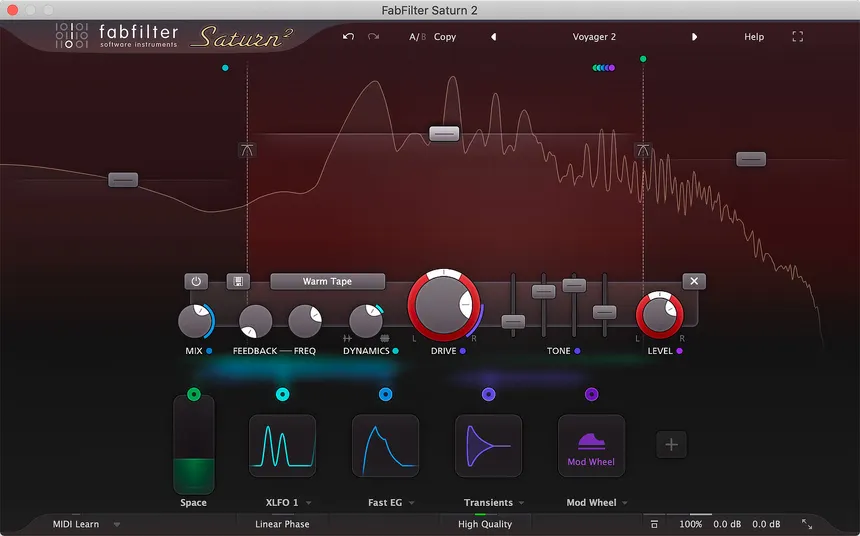
Tape saturation emulation adds warmth and glue to Amapiano Log drums groups without creating obvious distortion. These plugins model the harmonic generation and gentle compression characteristics of analog tape machines. Apply tape saturation to your log drum bus with subtle settings, generating primarily even-order harmonics that add warmth and fullness. Drive the input until you achieve gentle harmonic enhancement visible on spectrum analyzers but not consciously audible as distortion. This subtle processing accumulates across multiple elements, creating professional cohesion.
Tube or valve saturation provides different harmonic characteristics compared to tape, generating more prominent odd-order harmonics that add brightness and aggression. Use tube saturation more selectively on individual log drum hits or transient layers where you want additional presence and edge. Process heavily for creative effects during fills or transitional moments, then reduce intensity for verse patterns. This dynamic approach prevents ear fatigue while maintaining interest through variation.
Multi-band saturation allows frequency-specific harmonic enhancement. Apply more aggressive saturation to mid and high frequencies around 1-5kHz where harmonics add presence and clarity, while processing lower frequencies more gently to avoid muddiness. This surgical approach achieves harmonic richness in useful frequency ranges without generating low-frequency distortion that clouds the mix. Many modern saturation plugins include multi-band capabilities, making this technique accessible without complex routing.
Parallel saturation creates intensity without destroying natural dynamics. Send log drums to an auxiliary track with aggressive saturation or distortion, creating obviously processed, gritty sounds. Blend this heavily saturated signal underneath clean log drums at 10-20% volume, adding harmonic content and energy while maintaining natural character. This technique proves particularly effective for modern, aggressive Amapiano styles where pronounced saturation adds desired edge and attitude.
Consider the saturation’s impact on transients carefully. Some saturation algorithms emphasize transients through harmonic enhancement, making attacks more pronounced. Others soften transients through their compression-like characteristics, creating smoother, less aggressive sounds. Match saturation type to your desired outcome, using transient-enhancing saturation when you need more punch and transient-softening saturation when you want smoother, more flowing rhythms.
Rhythmic Processing and Creative Effects
Beyond technical mixing fundamentals, creative processing transforms straightforward log drum patterns into signature sounds that define your productions. Amapiano Log Drums offer extensive opportunities for rhythmic manipulation and effect processing that enhance groove and create memorable sonic signatures.
Gate effects create stuttering, rhythmic patterns from sustained log drum sounds. Apply a noise gate or pattern gate triggered by MIDI or sidechain input, creating rhythmic on/off patterns synchronized to your track’s groove. This technique works particularly well during builds and transitions, transforming simple log drum loops into complex, evolving rhythmic textures. Experiment with gate threshold, attack, and release parameters to achieve everything from subtle rhythmic emphasis to dramatic stuttering effects.
Delay effects add rhythmic complexity and spatial interest to log drum patterns. Apply rhythmic delays synchronized to your tempo, using dotted eighth notes or sixteenth note triplets to create syncopated echoes that fill rhythmic gaps. Keep delay feedback moderate around 20-40% to create 2-4 audible repeats. Filter the delay return, removing low frequencies below 500Hz and high frequencies above 8kHz, creating thinner, more textural echoes that support rather than compete with the dry signal. Automate delay send levels, increasing them during breaks and reducing them during dense sections.
Reverb creates depth and space around log drums without washing them out when applied thoughtfully. Use shorter reverb times around 0.6-1.2 seconds for log drums, creating space without long tails that muddy fast rhythms. Apply pre-delay between 20-40ms to separate the dry hit from reverb onset, maintaining punch and clarity. High-pass filter reverb returns around 300-500Hz and low-pass around 8kHz, keeping reverb in a frequency zone that doesn’t interfere with log drum fundamentals or compete with melodic elements.
Pitch modulation effects create movement and interest through subtle pitch variations. Apply slow LFO-driven pitch modulation with rates between 0.1-0.5Hz and depths of 5-15 cents. This gentle wobble adds analog-like character and prevents static, perfect-pitch sounds from feeling too digital. Combine pitch modulation with filtering for more complex, evolving textures that maintain interest throughout repetitive patterns characteristic of Amapiano.
Bit-crushing and sample rate reduction add digital lo-fi character when used subtly. Reduce bit depth to 12-14 bits or sample rate to 22-33kHz, generating subtle digital artifacts and harmonics that add grit and character. These degradation effects work particularly well on secondary log drum layers or fill patterns, creating contrast with clean main patterns. Balance lo-fi processing with pristine elements, using it as accent color rather than dominant aesthetic.
Creating the Complete Amapiano Percussion Mix
Integrating Amapiano Log Drums into the full percussion arrangement requires strategic balancing and frequency coordination that allows every element to coexist clearly. Professional Amapiano productions feature complex percussion arrangements with log drums, kicks, snares, hi-hats, shakers, and additional elements all occupying the mix without clutter or masking.
Establish clear frequency hierarchies where each percussion element occupies primary responsibility for specific ranges. Log drums dominate 250-800Hz with their fundamental tones and body. Kick drums anchor the sub-bass below 100Hz while punching through around 60-80Hz. Snares and claps provide midrange presence around 200-400Hz with crack around 3-5kHz. Hi-hats and shakers fill the high frequency spectrum above 5kHz. This division ensures clarity even in dense arrangements.
Use sidechain compression strategically to create dynamic relationships between elements. Sidechain log drums to duck slightly when kicks hit, carving momentary space for kick transients without reducing log drum volume constantly. Apply gentle ducking around 2-4dB with medium attack and release times. This technique maintains both elements at healthy volumes while preventing direct frequency competition during transient moments. Conversely, consider sidechaining less prominent percussion elements to log drums during busy sections, ensuring log drums remain clearly defined as primary rhythmic drivers.
Balance relative volumes by starting with log drums at moderate levels, then building other elements around them. Set log drums to peak around -12 to -8dBFS, leaving headroom for additional elements and master processing. Add kicks to punch through clearly without dominating, typically peaking around -10 to -6dBFS. Layer additional percussion progressively quieter, with shakers, hi-hats, and auxiliary elements sitting 6-12dB below primary elements. This graduated volume approach creates depth and hierarchy rather than flat, one-dimensional percussion.
Group related percussion elements to buses for collective processing. Route all log drums to a log drum bus, all kick drums to a kick bus, and so forth. Apply subtle bus compression and saturation to each group, creating cohesion within categories before mixing them together. This organizational approach simplifies mixing while ensuring related elements sound unified and professionally glued together. For cultural context behind the genre’s development, explore the history and evolution of Amapiano to understand how traditional elements inform modern production aesthetics.
Automate percussion elements throughout arrangements to maintain interest and guide listener attention. Increase log drum presence during choruses by raising volume 1-2dB or adding subtle high-frequency boost. Reduce log drum complexity during verses, simplifying patterns to create contrast. Introduce filter sweeps or effect throws during transitions, building energy into new sections. These dynamic changes prevent static mixes that tire listeners during extended tracks typical of house-influenced genres.

Frequently Asked Questions About Amapiano Log Drums
What makes Amapiano Log Drums sound different from regular percussion?
Amapiano Log Drums possess distinctive tonal qualities that separate them from standard drum sounds. Unlike atonal percussion like snares or kicks that provide primarily rhythmic function, log drums feature specific pitches and melodic content. Their frequency range sits in the lower-midrange around 200-800Hz, creating hollow, woody tones simultaneously percussive and melodic.
The gradual attack envelopes and moderate decay times contribute to the laid-back, hypnotic groove characteristic of Amapiano. Traditional African log drums, called slit drums or slit gongs, inspire these sounds, connecting modern electronic production to cultural percussion heritage. The combination of tuned melodic elements with rhythmic percussion function creates the unique hypnotic quality that defines Amapiano’s global appeal.
How do I choose the right log drum samples for my track?
Selecting appropriate log drum samples requires considering both musical and technical factors. First, ensure samples are tuned to complement your track’s key signature. Log drums in C work perfectly for tracks in C minor or C major, while mismatched tunings create harmonic dissonance. Many sample packs provide log drums in multiple keys or include MIDI information for pitch adjustment.
Second, consider the tonal character and how it fits your production aesthetic. Darker, deeper log drums suit moody, introspective tracks, while brighter, higher-pitched samples work for energetic, uplifting productions. Third, evaluate technical quality including clean recordings, minimal background noise, and useful frequency content without excessive resonances requiring heavy EQ correction. Finally, ensure adequate variety within your chosen pack, including multiple velocities and variations to program realistic, non-repetitive patterns.
Should log drums be mono or stereo in the mix?
The optimal approach combines both mono and stereo elements strategically. Keep your primary log drum pattern, particularly the lowest-pitched and most prominent hits, strictly mono and centered. This positioning ensures maximum power, punch, and mono compatibility essential for club playback and streaming services. Secondary log drum patterns, fills, and higher-pitched hits can be panned and widened for stereo interest without compromising low-frequency integrity.
When layering multiple samples to create a single log drum sound, keep fundamental frequency layers mono below 200Hz while allowing transient and presence layers above 1kHz to have stereo width. This frequency-specific approach creates perceived spaciousness while maintaining powerful, focused low-mids. Always verify your mix in mono periodically to ensure log drums remain clear and impactful when stereo information collapses.
How loud should log drums be in an Amapiano mix?
Amapiano Log Drums typically sit as one of the loudest percussion elements, second only to kick drums in most arrangements. Aim for log drum peaks around -12 to -8dBFS before master processing, leaving adequate headroom while ensuring prominent presence. Relative to other elements, log drums should be clearly audible but not overwhelming, balanced where they drive the groove without masking basslines or melodic elements. The exact level depends on your specific arrangement density.
Busier productions with many melodic layers require slightly quieter log drums to prevent cluttering, while minimal, percussion-focused tracks support louder log drum levels. Reference professional Amapiano tracks in similar styles, matching your log drum prominence to established commercial standards. Use metering plugins to compare RMS and peak levels between your mix and references, ensuring competitive loudness without sacrificing dynamics.
What are common mistakes when mixing Amapiano Log Drums?
Several frequent errors compromise log drum quality in amateur productions. First, inadequate low-frequency management creates muddy mixes where log drums conflict with kicks and bass. Always high-pass filter log drums around 150-200Hz unless they’re specifically serving bass function. Second, over-compression destroys natural dynamics and groove, creating lifeless, pumping percussion. Apply gentle compression ratios around 3:1-4:1 with moderate gain reduction rather than aggressive limiting. Third, neglecting proper tuning causes harmonic clashes with melodic elements.
Ensure log drums are tuned to your track’s key signature or use atonal samples when harmonic content creates conflicts. Fourth, excessive effects processing, particularly reverb, washes out log drums and reduces clarity. Use short reverb times with pre-delay and filtering to add space without muddiness. Finally, static, unchanging patterns throughout entire tracks create monotony. Automate subtle variations in volume, filtering, or complexity to maintain interest during extended productions.
Conclusion: Mastering Amapiano Log Drum Production
Achieving professional-quality Amapiano Log Drums requires combining technical mixing expertise with creative sound design decisions that enhance the genre’s characteristic hypnotic groove. The eight essential secrets explored throughout this guide provide comprehensive foundations for crafting log drum sounds that compete with commercial Amapiano releases dominating global charts and club systems.
Understanding log drum frequency characteristics, implementing strategic EQ and compression, layering complementary samples, positioning elements spatially, adding harmonic richness through saturation, applying creative effects tastefully, and integrating percussion elements cohesively all contribute to the polished, powerful log drum mixes that define professional productions. These techniques work synergistically rather than in isolation, with each element supporting others to create results greater than the sum of individual processes.
The evolution of Amapiano continues accelerating as the genre expands globally, incorporating influences from various cultures while maintaining its South African roots. Producers who master log drum mixing and sound design position themselves at the forefront of this movement, equipped to create authentic, innovative productions that honor tradition while pushing sonic boundaries. The technical skills developed through log drum mastery transfer to other percussion elements and broader mixing applications, making this knowledge valuable regardless of genre specialization.
Implementation transforms knowledge into results. Begin by applying these techniques to individual log drum samples, practicing EQ, compression, and saturation on isolated sounds until you develop intuitive understanding of how processing affects tone and character. Progress to layering techniques, building rich, complex sounds from multiple samples. Finally, integrate processed log drums into complete productions, balancing them with other percussion and melodic elements using the mixing strategies outlined.
Your journey to log drum mastery accelerates through active listening and analysis of professional Amapiano productions. Study how established producers balance log drums against other elements, noting frequency relationships, dynamic processing, and spatial positioning. Recreate specific log drum sounds you admire, developing technical skills through reverse-engineering. Most importantly, trust your ears, use reference tracks for perspective, and maintain focus on serving the groove rather than over-processing sounds into lifelessness. Master these fundamentals, and your Amapiano log drums will captivate listeners and dominate dance floors worldwide.