
FL Studio vs Ableton
In the pulse of modern music, Afrobeat is the fastest-growing genre globally, demanding a DAW that can handle its intricate rhythms, soulful textures, and heavy syncopation. Whether you are aiming for the smooth vibes of Wizkid or the high-energy “bounce” of Burna Boy, your Digital Audio Workstation (DAW) is the foundation of your sound. However, choosing between FL Studio vs Ableton for Afrobeat Producers is often the most difficult decision a creator makes, caught between FL’s legendary piano roll and Ableton’s elite audio manipulation.
For producers in 2025, the stakes are higher than ever. According to , both platforms have introduced AI-driven features that change the “cooking up” process. This guide provides a 2025 deep-dive into which software will actually help you finish more tracks and achieve that professional Lagos-to-London sound.
The Rhythmic Engine: FL Studio vs Ableton for Afrobeat Producers
The core of any Afrobeat track is the rhythm, and everything else is built around that foundation. If the drums don’t swing, the track won’t move the crowd, no matter how good the melody or vocals may be. Afrobeat relies on groove, syncopation, and subtle timing variations that give the beat its infectious, dance-driven energy. From the kick and snare patterns to the shakers, congas, and percussion layers, every element must lock together naturally to create that unmistakable bounce. When the rhythm feels alive and human, the entire track breathes, instantly connecting with listeners and driving them to move.
FL Studio Step Sequencer: The Secret to the “Afro-Bounce”
FL Studio has long been the favorite of West African producers largely because of its powerful and intuitive Step Sequencer, which makes rhythm programming fast, visual, and highly flexible. This tool allows producers to instantly plot out 16th-note patterns, helping ideas come together quickly without breaking creative flow. FL Studio vs Ableton, For Afrobeat—where the kick and snare often push and pull against the grid to create natural swing.
FL Studio’s graph editor becomes especially valuable. It makes it effortless to nudge the timing, velocity, and groove of individual hits, allowing beats to feel less rigid and more human. This intentional “loose” feel is what defines the genre’s signature bounce, giving Afrobeat its infectious energy and making listeners move instinctively when the drums hit.
Ableton Live 12 MIDI Transformations: Generative Afrobeat Rhythms
With the release of Live 12, Ableton introduced powerful MIDI Transformations and Generators that fundamentally change how producers approach rhythm and variation. These tools allow you to take a simple drum pattern and instantly humanize, mutate, or re-interpret it with a single click, adding subtle timing shifts, velocity changes, and rhythmic complexity.
For an Afrobeat producer, this is especially valuable, as it means you can start with a standard conga or percussion loop and generate dozens of unique variations that still preserve the African rhythmic DNA at the core of the groove. The result is a perfect balance between tradition and innovation authentic rhythms enhanced with modern movement, depth, and unpredictability that keep the beat fresh without losing its cultural foundation.
Drum Programming Excellence: Comparing the Workflows
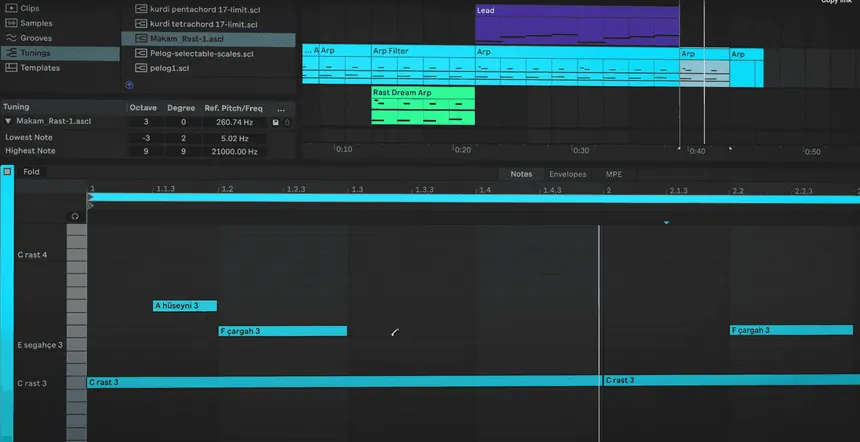
Afrobeat thrives on layers—from shakers and woodblocks to log drums, auxiliary percussion, and multiple kick patterns working together to create movement and depth. These elements don’t exist in isolation; they interact rhythmically to build the groove and energy of the track. How you manage these layers directly determines your speed, efficiency, and overall workflow.
When your percussion is well-organized, properly routed, and easy to control, you can experiment freely, make quick adjustments, and focus on feel rather than technical clutter. Efficient layer management allows you to build complex, dynamic rhythms without overwhelming your session, helping you maintain momentum while crafting the infectious bounce that defines Afrobeat.
Pattern-Based vs Linear Drum Construction
FL Studio vs Ableton, FL Studio uses a pattern-based workflow, where you create a drum loop or musical idea in one window and then quickly paint that pattern across the playlist to build your arrangement. This approach is incredibly fast and intuitive for loop-heavy genres like Afrobeat, Amapiano, and Trap, where repeating grooves and evolving variations are central to the sound.
In contrast, Ableton is traditionally more linear in its Arrangement View, although its Session View functions as a powerful non-linear sketchpad for experimenting with ideas before committing them to a timeline. That said, many producers find that samples, patterns, and entire drum ideas are easier to audit, organize, and swap within FL Studio’s browser, making it especially efficient when working with large drum libraries and layered percussion.
Why FL Studio’s Piano Roll Wins for Complex Percussion
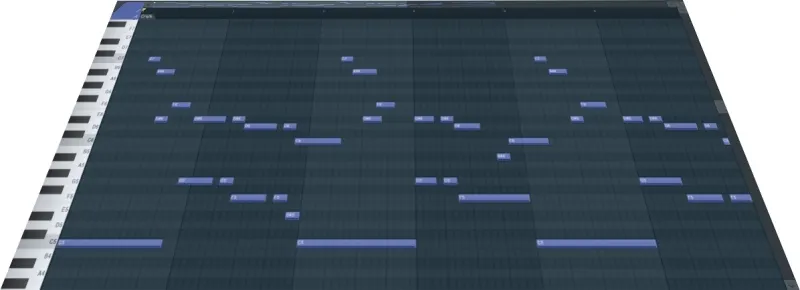
Ask any pro producer FL Studio vs Ableton, and they will tell you: the FL Studio piano roll is the best in the industry. For Afrobeat, where you might need to slide a melody or create complex ghost notes for a talking drum, the fluidity of FL’s piano roll is unmatched. It feels like an instrument itself rather than a spreadsheet.
Working with Samples: Manipulation and Warping
Afrobeat often incorporates Highlife samples or traditional African vocal chants, drawing directly from the rich musical heritage of the continent. These elements add cultural depth, storytelling, and a sense of authenticity that connects modern productions to their roots. Whether it’s a guitar riff inspired by classic Highlife records or a rhythmic chant layered into the hook, these sounds help define the emotional identity of a track. When used tastefully, they blend seamlessly with modern drums, synths, and basslines, creating a bridge between tradition and contemporary Afrobeat while giving the music a timeless, global appeal.
Ableton’s Complex Pro Warp: Handling Highlife Samples
Ableton Live’s Warping engine is widely considered the gold standard for time-stretching and tempo manipulation in modern music production. If you’re working with a sample at 90 BPM but your project is set to 105 BPM, Ableton’s Complex Pro algorithm can stretch and adapt that audio with little to no noticeable artifacts, preserving the original tone, texture, and character. This level of transparency is especially vital for producers who sample old 1970s African vinyl, where warmth, imperfections, and organic feel are part of the magic.
By maintaining the integrity of these classic recordings while fitting them perfectly into modern tempos, Ableton allows producers to blend heritage sounds with contemporary Afrobeat grooves without compromising quality or authenticity.
FL Studio 24 AI Stem Separation for Afrobeat Remixing (FL Studio vs Ableton)
The new include a built-in AI Stem Splitter. If you find a legendary Afrobeat loop but want to remove the drums to keep only the guitar, FL can now do this natively. This is a revolutionary time-saver that previously required third-party software.
Live Performance and Spontaneity
Afrobeat is a genre born from live instrumentation, rooted in the energy of real musicians playing together in the same space. Guitars, bass, horns, percussion, and drums interact dynamically, creating grooves that feel organic, expressive, and alive.
This human element is what gives Afrobeat its warmth and movement, with subtle timing variations and performance nuances that can’t be fully replicated by rigid programming. Even in modern digital productions, the influence of live instrumentation remains central, inspiring producers to prioritize feel, groove, and musical conversation when shaping their tracks.
Session View: Taking Afrobeat from the Studio to the Stage
Ableton Live was built for the stage. Its Session View allows you to trigger clips and loops in real-time without stopping the music. If you are an Afrobeat DJ or performer, Ableton is the clear winner. You can “jam” with your track, bringing the bass in and out based on the energy of the dancers.
Performance Mode in FL Studio: A Growing Alternative
While FL Studio does offer a Performance Mode, it is generally considered less intuitive and less performance-focused than Ableton’s live-oriented workflow. Ableton’s design is built with real-time triggering and stage performance in mind, making it the preferred choice for many live acts. However, for producers who work strictly in the studio focusing on beat-making, arrangement, and sound design rather than live performance, this difference is rarely a dealbreaker. In a controlled studio environment, workflow speed, pattern management, and creative flexibility often matter far more than live performance features.
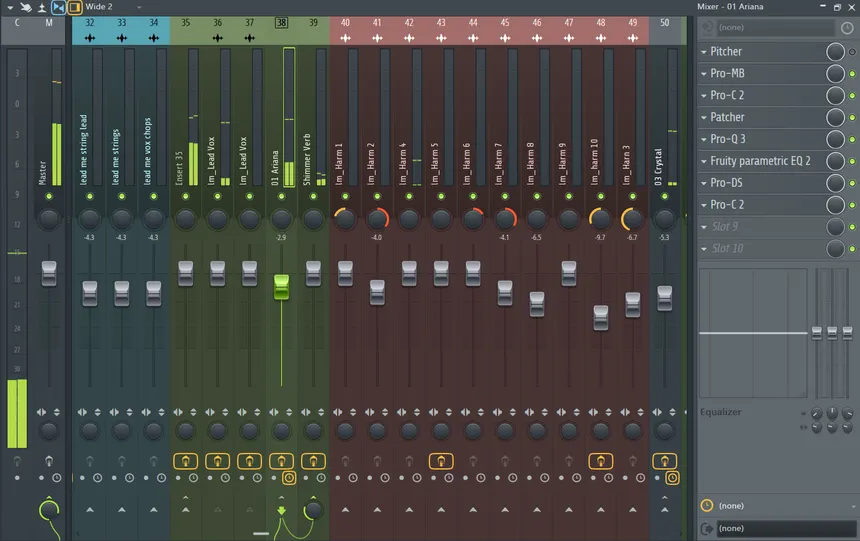
Mixing the Afrobeat Sound: Logic and Signal Flow
Mixing with FL Studio vs Ableton, Afrobeat requires a careful sense of balance, where every element has its own role and space in the mix. The kick needs to be punchy and consistent, driving the rhythm without overpowering the groove. Vocals must sit clearly “on top,” remaining present and intelligible even in busy sections of the track.
At the same time, the layered percussion shakers, congas, woodblocks, and auxiliary rhythms must be given enough space to breathe so the groove feels open and dynamic rather than cluttered. When these elements are properly balanced, the mix feels energetic, clean, and dance-ready, allowing the rhythm and vocals to shine together.
- FL Studio: Uses a modular approach where you can route anything to anywhere. This is great for creative , though it can get messy in large projects.
- Ableton: Uses a strict “track-to-mixer” relationship. It is much harder to lose track of where your signal is going, which is helpful when you have 60+ percussion tracks.
Pricing and Long-Term Value: Lifetime Updates vs Paid Upgrades
This is where the two DAWs differ most for independent producers(FL Studio vs Ableton):
- FL Studio: Offers “Lifetime Free Updates.” If you buy FL Studio 24 today, you will get FL Studio 30 for free. This is incredible value.
- Ableton Live: Requires paid upgrades for every major version (e.g., from Live 11 to Live 12). While the software is elite, the long-term cost is higher.
The Verdict: Which DAW Should You Choose?
The winner of the FL Studio vs Ableton for Afrobeat Producers debate ultimately depends on your specific goal, workflow preferences, and the type of sound you want to achieve. If you are looking for a fast, pattern-based workflow that allows for quick beat-making and easy sequencing of drums and percussion, FL Studio might feel more intuitive and efficient.
On the other hand, if your focus is on live performance, experimental sound design, and flexible arrangement options, its easy to chose FL Studio vs Ableton, Ableton Live’s session view and powerful warping engine could give you an edge. Additionally, factors like available plugins, your comfort level with each interface, and the way you approach mixing and mastering Afrobeat tracks can tip the balance in one direction or another. Essentially, there is no universal winner; it’s about which DAW aligns better with your creative process, production goals, and the unique style you want to bring to your Afrobeat productions.
- Choose FL Studio if: You are a “beatmaker” first. If you love clicking in drum patterns, using the piano roll for melodies, and want the best financial value.
- Choose Ableton Live if: You are a “composer” or “performer.” If you work heavily with audio loops, record live instruments frequently, or plan to perform your music live.
Regardless of your choice, the quality of your output depends on your sound selection and your understanding of the genre. You can learn to in either DAW as long as your foundations are solid.
Conclusion: Master Your Sound in 2025
Both FL Studio vs Ableton are capable of creating world-class music. The best choice between FL Studio vs Ableton is the one that stays out of your way and lets the creativity flow. Visit today to find the tools you need to bridge the gap between amateur and professional.
Start your journey with our and experience why thousands of producers trust us for their signature sound: www.wtmhstudio.com
FAQ: FL Studio vs Ableton for Afrobeat Producers
1. Which DAW do top Afrobeat producers use?
FL Studio vs Ableton: Producers like Sarz and Kel-P have famously used FL Studio for its speed and drum sequencing, while many international-leaning producers are increasingly adopting Ableton for its superior audio manipulation.
2. Is FL Studio vs Ableton for Afrobeat Producers better for beginners?
FL Studio vs Ableton: FL Studio is generally considered more beginner-friendly due to its visual step sequencer and intuitive “click-and-play” nature.
3. Can I switch from FL Studio to Ableton easily?
FL Studio vs Ableton: The logic is different (Pattern-based vs Track-based), but most producers find they can adapt within 2-4 weeks of consistent use.
4. Does Ableton Live sound better than FL Studio?
FL Studio vs Ableton: No. All modern DAWs have a neutral “summing engine.” The difference in sound comes from the plugins and samples you use, not the software itself.
5. What are the best stock plugins for Afrobeat in FL Studio?
FL Studio vs Ableton: Sytrus is excellent for FM-style bass, and FLEX has high-quality acoustic sounds that fit perfectly in African music.
6. How does FL Studio 24 improve Afrobeat production?
FL Studio vs Ableton: The AI Stem Splitter and the improved browser make it much faster to organize thousands of percussion samples and remix existing tracks.
7. Which software is better for recording live African percussion?
FL Studio vs Ableton: Ableton Live is generally superior for recording due to its robust “Comping” feature and its ability to keep everything perfectly in time with Warp markers.