
There are few musical genres that can genuinely claim to have soundtracked a revolution, challenged a military regime, and simultaneously reshaped the global landscape of rhythm. Afrobeat, the powerful fusion born in Nigeria, is one such genre. Its rhythmic complexity and political fire make it one of the most important cultural exports of the 20th century.
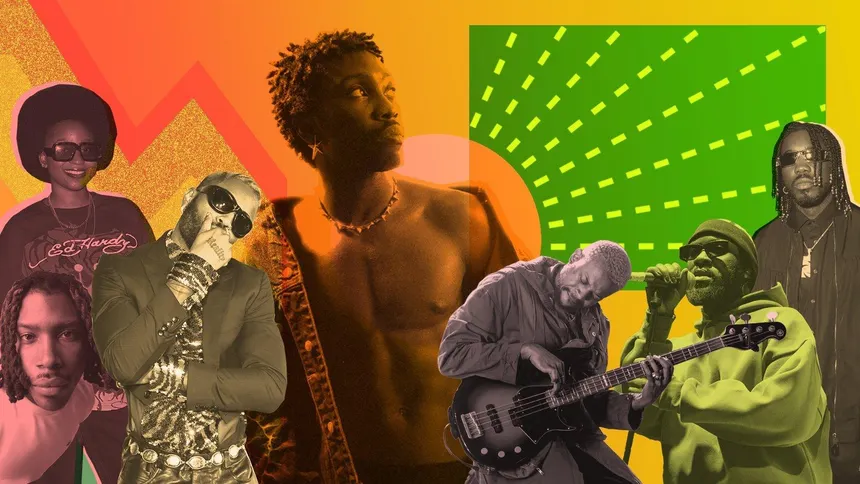
Understanding the History of Afrobeat requires separating the true, politically charged genre from its modern, commercially dominant successor, Afrobeats. This is not just a semantic debate; it is a distinction between a revolutionary political sound and an international pop movement. This pillar guide provides a definitive, chronological deep dive into the History of Afrobeat, its musical anatomy, its social influence, and its enduring global legacy in 2025.
Defining the History of Afrobeat Genre: Anatomy and Core Characteristics
Afrobeat is a highly complex, intentional blend of traditional Nigerian rhythms (Yoruba), highlife music, American jazz, and funk. It is built on a foundation of repetitive, interlocking rhythmic structures designed to induce a trance-like state while simultaneously delivering potent, political messages.
The Interlocking Rhythmic Engine: Tony Allen’s Contribution (History of Afrobeat)
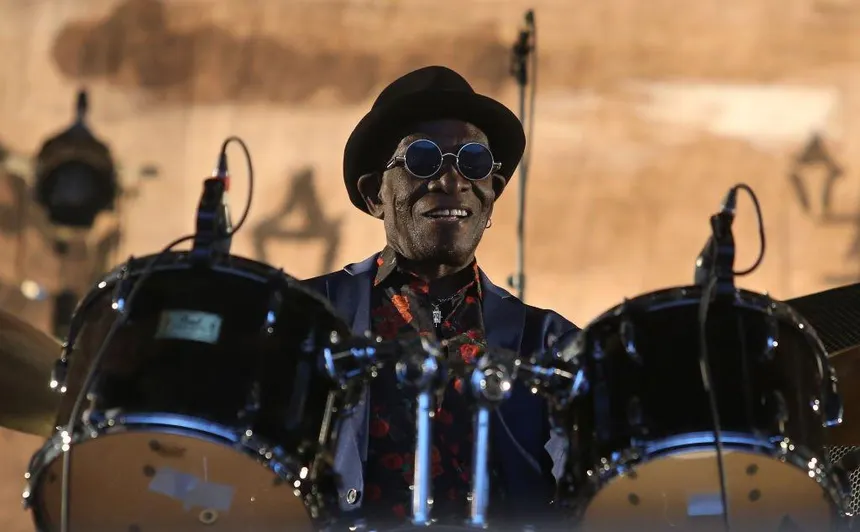
The true genius of Afrobeat lies in its rhythm, and the man responsible was drummer Tony Allen. Fela Kuti himself declared, “Without Tony Allen, there would be no Afrobeat or History of Afrobeat.” Allen created an intricate, layered drumming style where multiple percussion instruments (snare, kick, shekere, congas) interlock to form a single, complex polyrhythm—a rhythmic concept far removed from the straight-ahead beats of Western music. This unique approach is the foundational secret to the sound’s powerful, perpetual groove.
Duration and Arrangement: The Signature Long-Form Structure
A defining characteristic of classic Afrobeat is its song length, often stretching beyond 10, 15, or even 20 minutes. These long-form arrangements were not indulgent; they were functional. The first 5-10 minutes were dedicated entirely to building the rhythmic groove—the instrumental “power-up” phase—before Fela would even introduce the political theme through his vocals. This long duration reflects the depth required by the complex polyrhythms and also contrasts sharply with modern radio-friendly structures.
Call-and-Response and Pidgin English Vocals
The vocal delivery uses a strong, often satirical, call-and-response pattern rooted in traditional African music. Fela Kuti would serve as the central caller, with the band’s female vocalists responding. The lyrics were delivered primarily in Nigerian Pidgin English to reach the widest possible audience across West Africa, ensuring the political message was widely understood by the masses.
The Heavy Influence of Jazz, Funk, and Traditional Nigerian Music
History of Afrobeat’s DNA includes the improvisational freedom of jazz (especially the horn solos), the heavy basslines and rhythmic swagger of American funk (especially James Brown), and the traditional melodies and percussive patterns of Yoruba music. The synthesis of these elements gave birth to something entirely new and unique.
The Revolutionary Architect: Fela Kuti and the Birth of Afrobeat
The History of Afrobeat is inseparable from the biography of its creator, Fela Anikulapo Kuti. The genre was born not in a vacuum, but as a calculated political and cultural statement.
The Early Years: Highlife, Jazz, and the Koola Lobitos Phase
Fela first studied music in London in the 1950s, focusing on classical trumpet before reluctantly embracing jazz. His early band, Koola Lobitos, played a mix of highlife and jazz. It wasn’t until a transformative 1969 trip to the United States that the final piece of the Afrobeat puzzle clicked into place.
The American Journey and the Black Power Influence
While touring the US, Fela met Sandra Smith (later Izsadore), a Black Panther sympathizer. She introduced him to the writings of Malcolm X, the Black Power movement, and the radical idea of Pan-Africanism. This sparked an ideological awakening in Fela, who realized his music must be politically engaged and authentically African. Upon returning to Nigeria, Koola Lobitos became Africa ’70, and Afrobeat was born.
Kalakuta Republic: Music, Politics, and Defiance
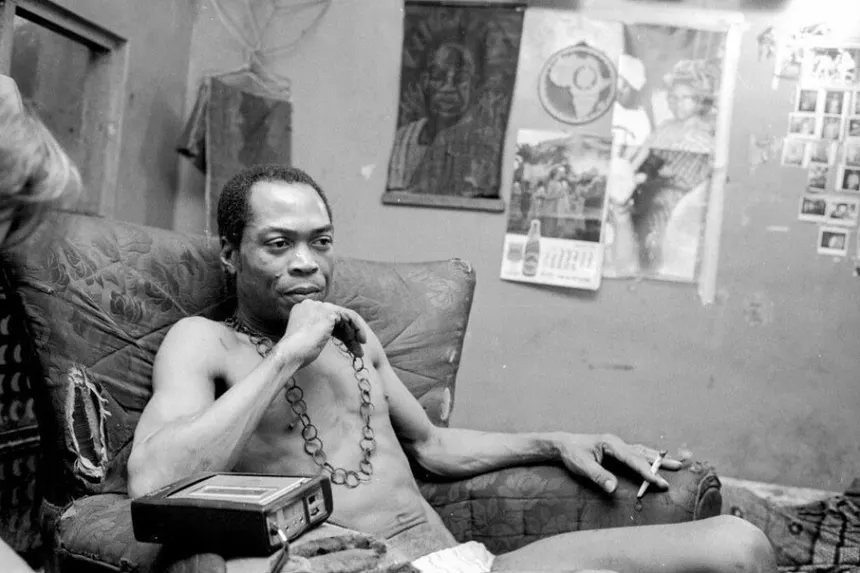
Talking about History of Afrobeat of course we mention Fela, he established the Kalakuta Republic—a commune and recording studio complex—as an independent, self-declared state, separate from the corrupt Nigerian military government. This was the headquarters for his movement, a place where art, politics, and anti-establishment defiance merged.
Key Albums That Defined the History of Afrobeat
Albums like Zombie, Gentleman, and Shuffering and Shmiling are essential to understanding the History of Afrobeat. Zombie, in particular, was a direct, satirical attack on the Nigerian soldiers, sparking a brutal military raid on the Kalakuta Republic that galvanized Fela’s political stance and cemented Afrobeat’s place as a music of resistance in the History of Afrobeat.
The Crucial Distinction: Afrobeat vs. Afrobeats (The Modern Pop Genre)
This distinction is the most important piece of context for any discussion of the History of Afrobeat. They are not the same, and the difference is intentional.
The Purpose Shift: Political Commentary vs. Entertainment
- Afrobeat: Political, social commentary, long duration, raw, complex polyrhythms, rooted in 1970s funk and jazz.
- Afrobeats (sometimes called Afropop or Afrofusion): Purely commercial entertainment, radio-friendly duration (3-4 minutes), high production value, built for dance and romance, rooted in hip-hop and R&B.
Tempo and Song Structure Differences
Afrobeat tracks typically sit in the medium-slow tempo range, allowing the layered rhythms to breathe. Afrobeats tracks are usually faster, driven by a simpler, more immediate percussive beat designed for instant dancefloor appeal. Confusing the genres undermines the rich political and cultural foundation of the History of Afrobeat.
The Rhythm Section: Essential Instruments and Polyrhythms
The sound of Afrobeat is defined by the meticulous interaction between its components, creating a hypnotic, relentless engine.
The Dominance of the Drums and Percussion (Congas, Shekere)
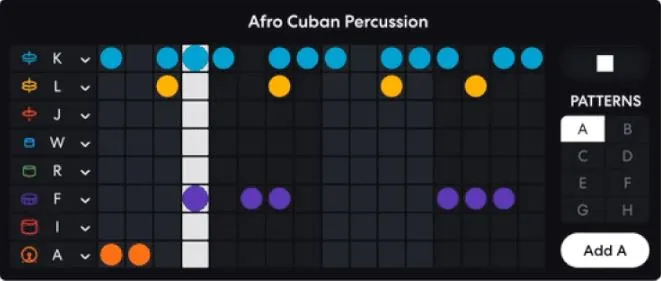
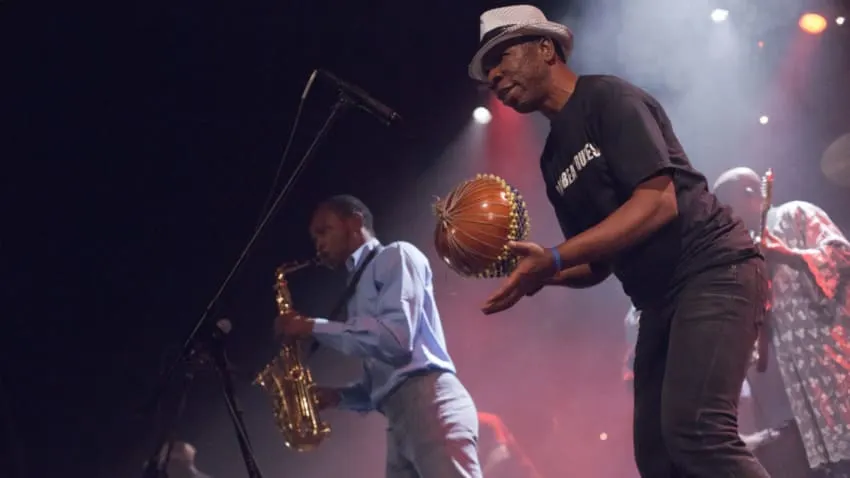
Unlike rock or pop, where the kick and snare define the rhythm, Afrobeat uses multiple percussionists to create interwoven layers. The shekere (a beaded gourd) and the congas often play counter-rhythms to the drum kit, filling the space between the main beats.
- Check out our Afrobeat Sample Packs & Drum Kits: here
The Repetitive, Funk-Driven Bassline
The bassline is the anchor. It is typically simple, repetitive, and deeply syncopated—a clear inheritance from the James Brown-era funk. This repetition locks the groove, providing a solid foundation for the complex drumming and the improvisational horns.
The Blending of Horn Sections and Electric Guitar Riffs
The horn sections (saxophones, trumpets, trombones) often play brief, catchy, repetitive riffs instead of long melodies. The electric guitar riffs also follow this pattern—short, simple, and constant, acting more like percussion than melody. This is a key part of the music’s cyclical, hypnotic effect.
Cultural and Political Significance: The Kalakuta Philosophy
In History of Afrobeat, Afrobeat was never just entertainment; it was a political platform, making its cultural significance unparalleled.
Afrobeat as a Tool for Social Commentary and Activism
Fela Kuti used his music to attack specific instances of corruption, military violence, and neocolonialism. His lyrics were often direct confrontations, using satire and sharp social commentary to educate and mobilize the populace against injustice.
Confronting Corruption and Military Rule in Nigeria
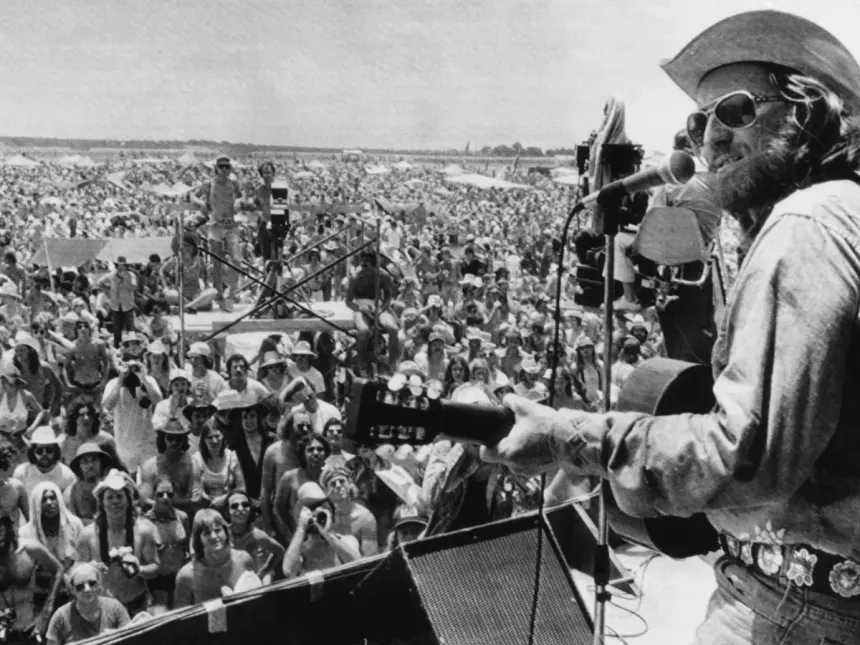
Fela’s activism led to multiple arrests, beatings, and the destruction of the Kalakuta Republic by 1,000 soldiers in 1977. Despite this brutality, Fela remained defiant, continuing to make music that documented the historical context of Nigerian political unrest and the violence of the ruling elite.
The Global Spread of African Consciousness
In History of Afrobeat, Afrobeat helped spread a message of African pride and self-determination globally, influencing political thinkers and musicians alike to embrace pan-African consciousness.
Global Contagion: Afrobeat Influence on Hip Hop and Jazz
The rhythmic blueprint of Afrobeat proved irresistible to Western musicians, especially those seeking complexity and depth beyond standard 4/4 time signatures.
Sampling and Adaptation in Modern Hip-Hop Production
Producers and artists, particularly in the conscious and alternative hip-hop scenes, have extensively sampled Fela Kuti and Tony Allen. The intricate drum breaks and horn arrangements offer rich, ready-made textures. This connection bridges the African diaspora and shows the strong influence of Afrobeat on modern hip hop and jazz artists.
The Global Jazz Scene’s Embrace of Afrobeat Rhythms
Contemporary jazz musicians, including artists like Roy Hargrove and Kamasi Washington, have incorporated Afrobeat’s polyrhythmic structures and long-form improvisation into their work, recognizing it as a continuation of the jazz tradition. Fela’s collaborations with American funk musicians also fostered this cross-pollination.
New Wave Producers Reinterpreting the Classic Sound
The genre’s legacy can be seen in genre-bending music production, where contemporary producers selectively borrow Afrobeat’s rhythmic elements and fuse them with electronic, rock, or other global sounds.
The Next Generation: Modern Artists Preserving the Afrobeat Sound
In History of Afrobeat, Fela Kuti’s work laid the groundwork, and the torch is now carried by his descendants and dedicated disciples.
Femi Kuti and Seun Kuti: Maintaining the Family Legacy
Fela’s sons, Femi Kuti and Seun Kuti, have dedicated their careers to preserving and evolving the original Afrobeat sound and its political message. They lead their father’s former band, Egypt 80, and Femi’s own band, The Positive Force, ensuring that the musical legacy of Fela Kuti remains vibrant and active on the global stage.
Its Influence on Genre-Bending Music Production
The History of Afrobeat continues to inspire artists worldwide to mix and match sample kits for production and create hybrid sounds. Its philosophy of fusion encourages bold experimentation.
The Enduring Legacy: Why Afrobeat Still Matters in 2025
The History of Afrobeat is a testament to the power of music as a social force. Its continued relevance is tied to global politics and musical innovation.
Its Continued Relevance as a Soundtrack for Protest
In 2025, in Nigeria and across the African diaspora, Afrobeat remains a powerful rallying cry against injustice and corruption, proving that the genre’s political spirit is very much alive.
The Global Music Industry’s African Focus
The success of Afrobeats has drawn massive global attention to Africa, but it simultaneously acts as a gateway for new listeners to discover the original, revolutionary History of Afrobeat.
The enduring legacy of Afrobeat lies in its uncompromising political stance and its revolutionary, polyrhythmic complexity. It is a genre that demands respect, thought, and, ultimately, action. Dive into the original, revolutionary History of Afrobeat recordings and experience the power of the groove.
FAQ: Your Afrobeat History Questions Answered
1. Who invented Afrobeat, and what year did it start?
Afrobeat was invented by Nigerian multi-instrumentalist Fela Anikulapo Kuti. The genre solidified its distinct sound and political identity around 1970 following Fela’s transformative trip to the United States.
2. What are the key musical characteristics of Afrobeat?
The key characteristics are its long song structures (often over 10 minutes), intricate complex polyrhythms driven by multiple percussionists, repetitive horn and guitar riffs, and vocals delivered in a call-and-response pattern, typically in Nigerian Pidgin English.
3. Is Burna Boy an Afrobeat or Afrobeats artist?
Burna Boy is generally considered an Afrobeats (or Afrofusion) artist. While his music is deeply influenced by the original Afrobeat sound and Fela Kuti’s legacy, his tracks adhere to the modern, shorter, and more commercially focused structure of Afrobeats.
4. How did Fela Kuti use Afrobeat for political activism?
Fela used Afrobeat to directly criticize corruption, military rule, and neocolonialism in Nigeria. His songs often named specific officials and events, making the music a form of radical journalism and a rallying cry for the common people.
5. What is the significance of the musical legacy of Fela Kuti?
The significance of the musical legacy of Fela Kuti is that he created a sound that was politically potent and musically sophisticated, demonstrating that African music could command international respect while challenging power structures.
6. How has Afrobeat influenced Western pop and hip hop?
Afrobeat has influenced Western music through its rhythmic complexity, with hip-hop producers sampling the unique drum breaks of Tony Allen, and jazz musicians incorporating its polyrhythms and groove into modern fusion pieces.
7. What is the main rhythmic engine of Afrobeat?
The main rhythmic engine of Afrobeat is the interlocking polyrhythm created by the drums (kick, snare), congas, shekere, and other percussion instruments working in counterpoint, led by the innovative drumming of Tony Allen.