
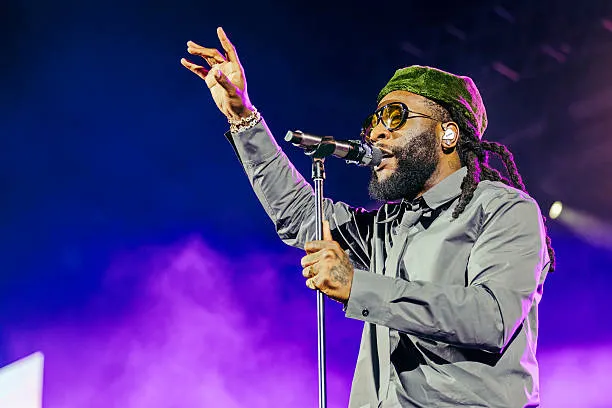
Capturing the essence of the African Giant requires more than just a simple shaker loop; it requires a deep understanding of Afro-fusion. This genre blends traditional West African rhythms with Jazz, Dancehall, and R&B. Most producers fail at How to Make a Burna Boy Type Beat because they use generic trap drums instead of organic, syncopated rhythms that allow for a “swing” feel.
To truly understand this sound, one must look at the history of afrobeat revolutionary roots and see how it has evolved into a global powerhouse. Whether you are using FL Studio, Ableton, or Logic, the following technical blueprint will help you achieve that professional, radio-ready Afro-fusion vibe.
1. The Core Concept: Defining the Afro-Fusion Aesthetic
Burna Boy’s sound is characterized by a “laid-back” yet energetic feel. It is less about the aggressive “bounce” of modern Hip-Hop and more about a rolling, continuous groove. When learning How to Make a Burna Boy Type Beat, you must prioritize the relationship between the kick and the percussion over melodic complexity.
2. Sound Selection: Choosing High-Quality Afrobeat Textures
The quality of your sounds determines the professional polish of your beat. You need organic textures: woodblocks, congas, rimshots, and shakers. Avoid using synthesized drum sounds that feel too digital.
Using an afrobeat drum kits essential packs guide is the best way to ensure your samples have the correct frequency response for the genre. Professional producers often layer acoustic drum recordings with electronic kicks to get the best of both worlds.
3. How to Make a Burna Boy Type Beat Rhythmic Foundations
The “rhythm” is the most critical element. While a standard 4/4 kick pattern is common, the percussion must be highly syncopated.
How to Make a Burna Boy Type: The Shaker Secret
Your shaker should not just play straight 8th notes. Use a 16th-note pattern with varying velocities to create a “human” feel. This is a foundational step in learning How to Make a Burna Boy Type Beat. Use a swing setting of around 20 percent to 30 percent in your DAW to give it that West African pocket.
4. The African Giant Bassline: Melodic and Rhythmic Interplay
The bassline in a Burna Boy track is often the melodic driver. It doesn’t just hold down the root note; it “dances” around the percussion. Use a sub-heavy electric bass sound rather than a clean 808. Ensure your bass notes fall on the “off-beats” to create the characteristic Afro-fusion pull.
5. How to Make a Burna Boy Type: Chords Progressions
Burna Boy’s music often uses 7th, 9th, and 11th chords to create a sophisticated, jazzy atmosphere. If you are struggling with composition, utilizing a music theory for producers composition guide can help you understand how to bridge the gap between simple triads and advanced African harmonies. Common scales include the Dorian and Mixolydian modes, which provide a “bright” yet “cool” feeling.

6. How to Make a Burna Boy Type Beat Percussive Ear Candy
To keep the listener engaged, add “ear candy.” This includes subtle percussive hits like talking drums, woodblocks, or even vocal chants. These should be panned wide to create a sense of space. MIDI patterns can be incredibly useful here; explore midi kits elevate your production workflow to find rhythmic inspirations that fit this specific style.
7. How to Make a Burna Boy Type Beat: Arrangement
A Burna Boy track usually starts with a strong hook or a “stripped-back” intro that features a signature melodic element (like a saxophone or a guitar pluck). The energy should build by adding layers of percussion every 8 bars. The transition into the chorus should feel like a “release” of tension rather than a massive explosion.
8. Vocal Processing Prep for the Burna Boy Sound
While you are making the beat, you must leave room for the vocals. Burna Boy has a deep, resonant voice. This means your melodies shouldn’t be too busy in the 200Hz to 500Hz range. Carve out a pocket using EQ so that the artist can sit “inside” the beat rather than on top of it.
9. How to Make a Burna Boy Type Beat: Mixing Tricks
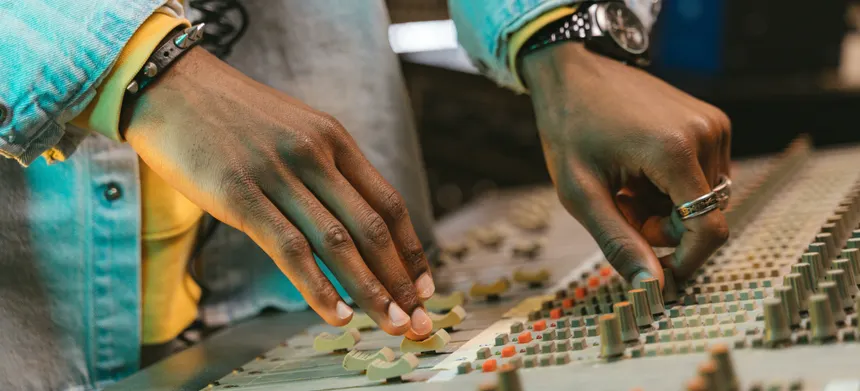
Mixing is where many producers lose the “vibe.”
- Parallel Compression: Use this on your drum bus to add weight without killing the transients.
- Sidechaining: Always use a sidechain compression advanced guide to ensure the kick drum clears the bassline instantly.
- Stereo Width: Keep the kick, snare, and bass in mono. Pan everything else to create an immersive soundstage.
10. How to Make a Burna Boy Type Beat: Mastering
The last step in How to Make a Burna Boy Type Beat is referencing. Load a track like “Its Plenty” into your DAW and compare the frequency balance. Professional Afrobeat masters are usually very loud but maintain a high degree of “transient clarity.” Use a clipper instead of a heavy limiter to preserve the snap of your percussion.
Conclusion: Elevate Your Afro-Fusion Sound
Mastering the Burna Boy aesthetic is a journey into rhythm and harmony. By focusing on sound selection, syncopated shakers, and jazzy chord structures, you can create beats that resonate globally.
Ready to start creating? Visit www.wtmhstudio.com to get the most authentic Afrobeat drum kits and MIDI kits used by elite producers.
FAQ: Burna Boy Beat Making
1. What BPM is best for Burna Boy beats?
Most Burna Boy type beats range between 95 BPM and 110 BPM. This allows for the “rolling” groove that defines Afro-fusion.
2. What scales does Burna Boy usually use?
He frequently uses Minor Pentatonic, Dorian, and Aeolian scales, often incorporating jazz-influenced extensions like 9ths and 13ths.
3. How to Make a Burna Boy Type Beat: Which drum sounds are essential?
The most essential sounds are a short, punchy kick, a crisp rimshot, high-quality shakers, and organic conga or bongo hits.
4. How do I get that organic Afrobeat swing?
Avoid quantizing everything to 100 percent. Move your percussion slightly off the grid and use velocity variations to mimic a real drummer.