
How to Make an Afrobeat in FL Studio
The global sound of Burna Boy, Wizkid, and Tems has transformed the music industry, and much of that sonic revolution starts in the Channel Rack. If you want to know How to Make an Afrobeat in FL Studio that actually carries the professional bounce and cultural authenticity required for today’s charts, you need more than just a basic four-on-the-floor beat.
Learning How to Make an Afrobeat in FL Studio is a challenge because the genre relies on complex polyrhythms and specific “swing” settings that are often ignored in standard EDM or Hip-Hop tutorials. In this definitive 2025 guide, we will break down the exact step-by-step blueprint used by industry-standard producers to create world-class Afro-fusion tracks.
1. Preparation: How to Make an Afrobeat in FL Studio Project Setup
The foundation of any hit is the setup. To begin your journey of How to Make an Afrobeat in FL Studio, you must set the correct tempo and time signature.
Setting the Correct BPM and Time Signature
While modern Afrobeat can range from 95 BPM to 115 BPM, the “sweet spot” for 2025 radio hits is usually between 100 and 108 BPM. This allows for enough space for the percussion to breathe while maintaining a danceable energy. Ensure your time signature is set to 4/4, but keep in mind that the rhythmic feel will often lean into a triplet or “dotted” feel.
Choosing High-Quality Source Sounds
You cannot make a professional hit with weak samples. Before you learn How to Make an Afrobeat in FL Studio, you should source sounds from an . Look for rim-shots that have “wood” and “snap,” and kicks that are short and punchy rather than long and boomy.
2. Rhythmic Foundation: Creating the Industry-Standard Bounce
The “bounce” is the defining characteristic of West African music. Understanding the 3-over-2 polyrhythm is essential when learning How to Make an Afrobeat in FL Studio.
Identifying the 3-over-2 Polyrhythm
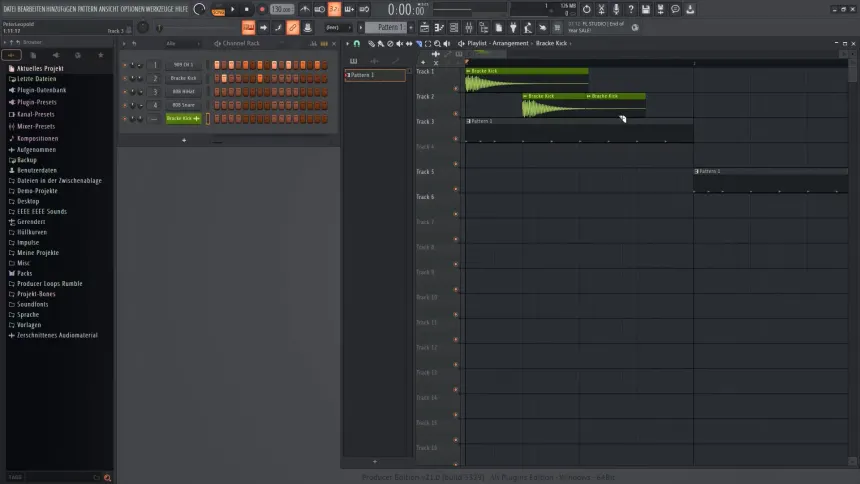
Talking About How to Make an Afrobeat in FL Studio, the kick drum often provides a steady pulse, while the percussion elements (claps, rims, and congas) play around the “weak” beats. A classic pattern involves placing your main snare or rim on the 3rd beat of the bar, but adding a secondary “ghost” hit on the 16th note just before the 4th beat. This creates a sense of forward motion.
3. The Secret to Afrobeat Percussion Layering in FL Studio
Afrobeat tracks are dense with rhythmic information, often built from multiple layers of drums, percussion, melodic elements, and subtle rhythmic accents that interact with each other throughout the song. The secret to achieving a professional, polished sound lies in layering these different textures in a way that enhances the groove without cluttering the frequency spectrum.
Each element must have a clear role and its own sonic space, whether through careful sound selection, EQ, panning, or dynamic control. When done correctly, the layers complement rather than compete, allowing the rhythm to feel rich, energetic, and controlled. This balance ensures the track remains exciting and full while still sounding clean, focused, and easy to translate across different playback systems.
Using Shakers as the Glue
The shaker is the “hi-hat” of Afrobeat. Instead of a standard 16th note hi-hat run, use a shaker loop or manual shaker MIDI that has a “shuffle” feel. In FL Studio, you can use the “Graph Editor” in the Channel Rack to slightly vary the velocity of each shaker hit, mimicking a real percussionist.
Adding Woodblocks and Congas
Place woodblocks or metallic percussion on the off-beats to add “ear candy.” This helps differentiate your track from a standard pop beat. Use the to understand how these rhythmic accents interact with melodic phrases.
4. Melodic Composition: Highlife Guitars and Modern Synths
While the drums are the heart of the rhythm, the melodies are the soul that give an Afrobeat track its emotion and identity. Afrobeat often utilizes Highlife-inspired guitar riffs, characterized by bright, rhythmic plucks and melodic call-and-response patterns that add movement and cultural flavor.
Alongside these guitars, warm Rhodes-style electric pianos are commonly used to provide harmonic depth, smooth chord progressions, and a laid-back groove that balances the energetic percussion. Together, these melodic elements create a rich musical atmosphere, guiding the listener’s emotions and reinforcing the song’s vibe. When blended carefully with the drums, they bring warmth, musicality, and timeless character to modern Afrobeat productions.
Top VST Recommendations for West African Sounds
For authentic Afrobeat melodies, consider using:
- Kontakt: For high-quality guitar and world percussion libraries.
- Omnisphere: For ambient pads and modern Afro-fusion leads.
- Purity: A classic for the “old school” Afrobeat synth sounds.
Focus on simple, catchy motifs that leave room for a vocalist. Afrobeat is a vocal-led genre; your production should support the singer, not compete with them.
5. Mastering the Log Drum: The Amapiano and Afro-Fusion Hybrid
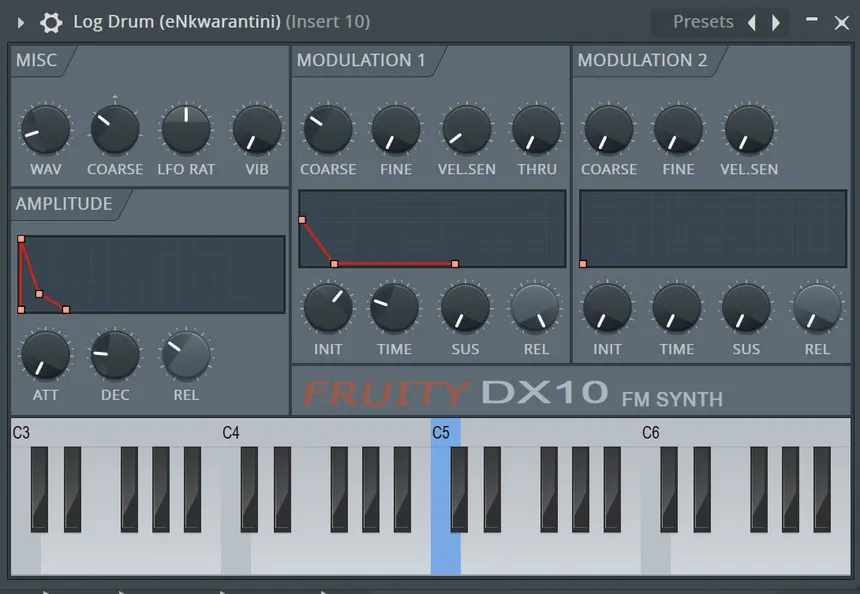
In 2025, the South African log drum—popularized by Amapiano—has become a defining staple in modern West African Afro-fusion, shaping the low-end groove of countless hit records. Its deep, percussive bass character adds bounce, emotion, and movement, but it also demands careful control to avoid overpowering the mix.
Mastering this element is key to How to Make an Afrobeat in FL Studio that sounds current, competitive, and aligned with today’s global sound. Proper sound selection, precise MIDI programming, and smart use of EQ, compression, and saturation allow the log drum to punch through while still leaving room for the kick and bass. When used intentionally, it bridges traditional Afrobeat rhythms with contemporary Amapiano influence, giving your production a modern edge that translates well across clubs, streaming platforms, and radio.
Mixing the Kick and Log Drum
The Log Drum is both a percussion and a bass instrument. It usually hits in the 40Hz to 100Hz range. To prevent mud, you must use an to duck the log drum whenever the kick hits. This ensures the low-end remains tight and punchy on large club systems.
6. Advanced Swing and Groove: Using the FL Studio Quantize Tools
Standard quantization is the enemy of the Afrobeat bounce. To get that “swing,” you need to use FL Studio’s specialized groove tools.
FL Studio Channel Rack Swing Settings
At the top right of the Channel Rack, you will find the global swing slider. For Afrobeat, a setting between 15% and 25% often provides the right amount of “shuffle.” However, for a more professional feel, highlight your percussion in the Piano Roll and use Alt+Q to select a specific “Groove Template.” This shifts the notes slightly off the grid, giving it a human, feel.
7. How to Make an Afrobeat in FL Studio Sound Professional (Mixing)
Engineering is where the “expensive” sound is created. How to Make an Afrobeat in FL Studio Sound Professional ? Your mix must be clear, wide, and loud.
The Mixing Chain (How to Make an Afrobeat in FL Studio)
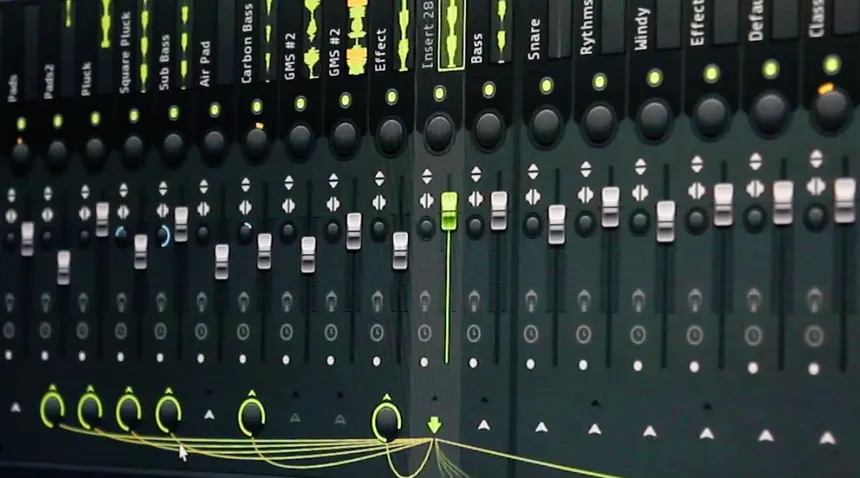
A professional Afrobeat mixer usually follows this signal flow:
- Subtractive EQ: Removing mud (below 200Hz) from everything except the kick and bass.
- Parallel Compression: Adding “weight” to the drum bus.
- Stereo Imaging: Panning shakers and percussion to create width.
- Soft Clipping: Using the FL Fruity Soft Clipper on the Master bus to shave off transients, allowing for a louder master without distortion.
8. Arrangement Strategies for Global Streaming Success
Modern Afrobeat is designed for playlists. Your arrangement should be concise and engaging. Start with a 4-bar intro (often just shakers and a melody), lead into a strong “Drop” or Chorus, and use bridges to provide relief from the heavy low-end.
Conclusion: How to Make an Afrobeat in FL Studio
Mastering How to Make an Afrobeat in FL Studio is a journey of rhythmic discovery. By focusing on the 3-over-2 polyrhythm, humanizing your velocities, and using professional mixing techniques, you can create tracks that stand alongside the giants of the genre.
Ready to take your sound to the next level? Visit for the industry’s highest-quality Afrobeat resources. If you found this helpful, check out our guide on how to to ensure your hits actually get released.
FAQ: How to Make an Afrobeat in FL Studio
1. What is the best BPM for Afrobeat?
The best BPM for Afrobeat in 2025 is typically between 100 and 108 BPM, though faster tracks can go up to 115 BPM.
2. Can I use stock FL Studio plugins for Afrobeat?
Yes! FL Studio’s Sytrus and FLEX have excellent Rhodes and synth sounds, and the Fruity Soft Clipper is an industry-standard tool for Afrobeat drum processing.
3. How do I get my drums to “bounce”?
The bounce comes from a combination of off-beat percussion placement (syncopation) and varying your velocities. Never keep your velocities at a flat 100%.
4. What is the difference between Afrobeat and Amapiano?
Afrobeat is primarily West African (Nigeria/Ghana) and focuses on polyrhythmic percussion. Amapiano is South African and is defined by its slow tempo (around 113 BPM) and the iconic “Log Drum” bass.
5. How to Make an Afrobeat in FL Studio sound clear and loud?
Use a soft clipper on your master channel and ensure you are high-passing any non-bass instruments at 200Hz to leave room for the kick and log drum.