
Trap music has become one of the most popular genres in modern music, known for its hard-hitting 808s, Trap music has become one of the most dominant genres in modern music, known for its hard-hitting 808 bass frequencies, rapid-fire hi-hat rolls, and atmospheric, often dark, melodies. If you’re interested in learning how to make trap beats that stand out, you’ve landed in the right place!
This comprehensive guide will take you through the entire process of creating a professional trap beat from scratch in your preferred DAW (Digital Audio Workstation). Whether you’re a beginner producer or an experienced musician looking to master the genre, this step-by-step tutorial will help you achieve high-quality results.
Step 1: Laying the Foundation with Tempo and Drum Sequencing
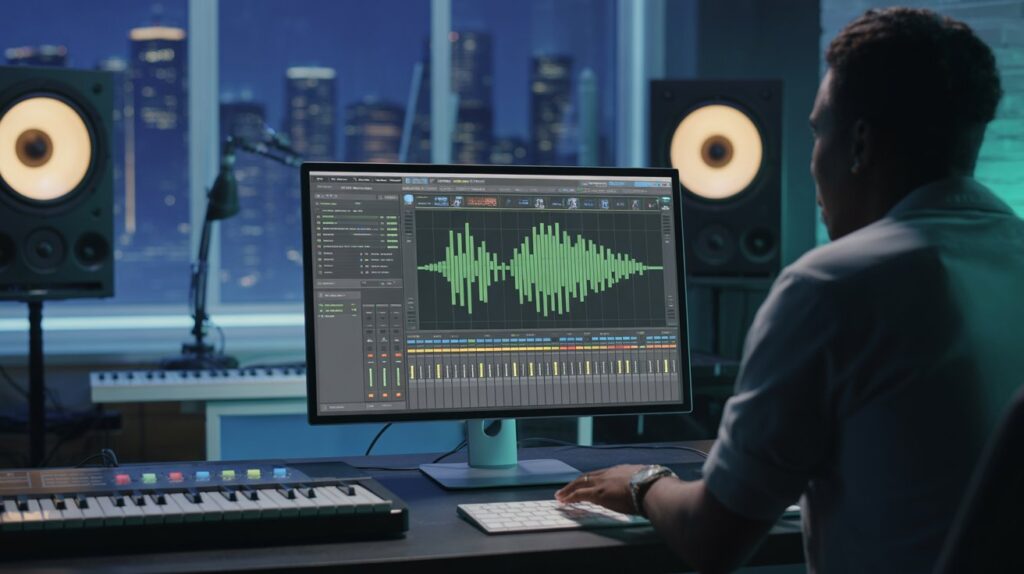
The first step in any trap production is setting the pace. Trap beats typically range between 130-160 BPM, with most hits landing firmly in the 140–150 BPM range. This tempo, often interpreted as half-time at 70-75 BPM, creates the distinct, driving rhythm that defines the genre.
After setting the tempo, start by programming your basic drum sequence. A classic Trap Beats pattern requires:
- Heavy Kick Drums: Use a punchy kick drum sample, often layered with or replaced by the 808 (see Step 3) to provide the sonic foundation.
- Snare or Clap: Place this definitive sound on the 3rd beat of every bar.
- Hi-Hats: Program hi-hats with rapid, stuttering rolls and quick velocity changes to inject rhythmic movement and bounce. Experiment with triplet rhythms and varying the rate of the rolls to add complexity.
Step 2: Crafting the Vibe with Atmospheric Melodies and Chords
A captivating melody is an essential part of a top-tier trap beats. Start by selecting instruments that set the desired emotional tone. Synth leads, digital bells, dark pianos, and ethereal strings are all popular choices for trap melodies. The key here is simplicity: your melody should be repetitive, catchy, and evocative—whether it’s dark, atmospheric, or uplifting.
Once your instrument is chosen, create a short, loopable chord progression or a simple lead melody. Many producers rely on MIDI kits to find inspiring melodic patterns which they then adapt and modify to fit their original Trap Beats.
Pro-Tip for Sound Design: Adding generous amounts of reverb and delay to your main melody lines helps create that spacious, “spaced-out” atmosphere that is crucial to the trap soundscape.
Step 3: Mastering the Low-End with Punchy 808 Basslines
No legitimate trap beat is complete without a massive, heavy 808 bassline. The 808 sample must be tuned and must meticulously follow the root notes of your main melody or chord progression to ensure the entire track sounds cohesive and in key.
To achieve that signature punch, consider these techniques:
- Sidechain Compression: Apply sidechain compression to the 808, ducking its volume slightly every time the kick drum hits. This ensures the kick can cut through the mix without clashing with the low-frequency power of the 808.
- 808 Glide Notes: Experiment with pitch bends and glide notes to give the 808 a unique, dynamic, and sliding feel—a classic signature of modern trap.
Step 4: Building the Full Drum Sequence and Percussion
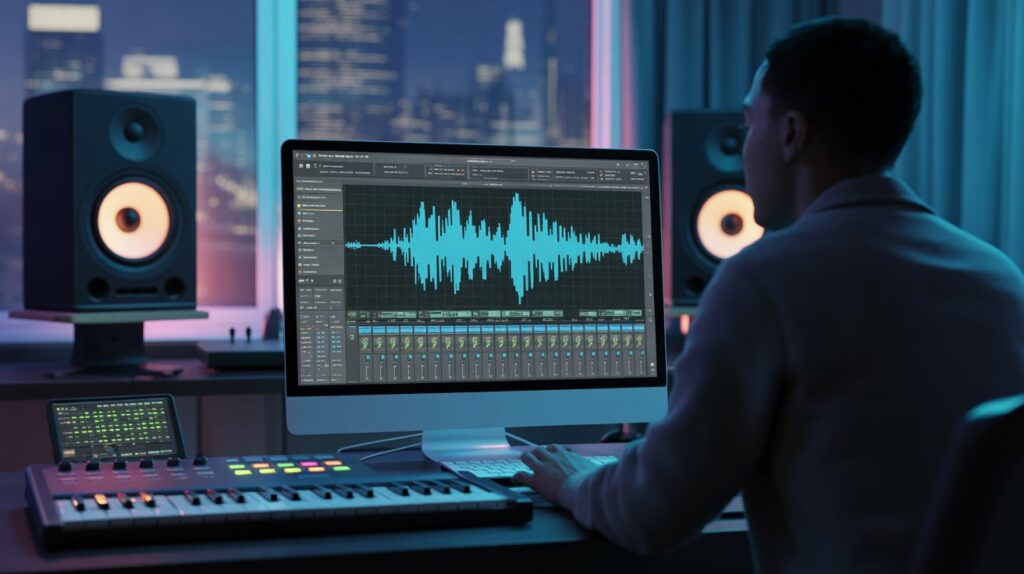
With your core foundation set (kick, snare, melody, and 808), it’s time to build out your full drum pattern. In addition to the main components, you should strategically add percussion elements like rimshots, open hi-hats, percussive foley sounds, and vocal chops to make your Trap Beats truly stand out.
Use techniques like syncopation and velocity variations to add energy and swing to your drum sequence. Layering different percussive elements—for example, a light clap sample layered on top of the main snare—can make your drums sound significantly fuller and more energetic.
Step 5: Arrangement and Flow: Structuring Your Trap Beat
Arranging a trap beats involves creating distinct sections to guide the listener’s ear, typically including the intro, verse, hook (chorus), and bridge. A classic arrangement structure looks like this:
| Section | Focus and Energy | Purpose |
|---|---|---|
| Intro | Minimal (Melody, FX, or Filtered Kick) | Set the mood and build anticipation. |
| Verse | Introduce full drums and 808 (but simplify the melody) | Leave space and flow for the artist’s vocals. |
| Hook/Chorus | Maximum Energy (Add counter-melodies, extra percussion, vocal chops) | The most impactful and memorable section. |
| Bridge | Break Down (Remove the 808 or drums entirely) | Create tension and contrast before the final hook drops. |
Note: Always consider how an artist will use the space. The verses should feel less cluttered than the hook.
Step 6: Final Polish: Mixing, Effects, and Maximizing Loudness
The final stage is crucial for that radio-ready sound. Add FX like risers, sweeps, and crash cymbals to signal transitions between sections and keep the listener engaged.
When mixing:
- Balance Levels: Start by carefully balancing the volume of your elements, prioritizing the kick and 808.
- Equalization (EQ): Use EQ to “carve out” frequency space for each sound, especially in the low-end, ensuring the kick and 808 don’t clash.
- Compression: Apply compression to drums and melodic elements to keep the dynamics tight.
- Loudness: Finally, add a limiter on your master channel to achieve that loud, punchy mastering level signature to modern trap production.
Download Royalty-Free Trap Samples and MIDI
To streamline your trap beats production workflow, utilize high-quality, professional Trap sample packs and MIDI kits. These kits provide pre-made sounds and patterns, allowing you to quickly build up professional-sounding beats.
Download 100% Royalty-FREE! Trap Sample Packs from here and start making polished, commercially ready trap beats today!

WATCH A TRAP BEATS TUTORIAL
Frequently Asked Questions About Trap Production
Q1: What is the ideal BPM range for a trap beat? A: Trap beats generally range from 130-160 BPM, with most producers settling around 140-150 BPM to achieve that driving, signature rhythm.
Q2: How can I make my 808s hit harder and sound professional? A: To make your 808s hit harder, ensure they are tuned to the key of your song, apply saturation for harmonics, and use sidechain compression to duck the 808 volume slightly when the kick drum hits, preventing frequency clashes.
Q3: Where can I find quality, high-fidelity trap samples and MIDI kits? A: You can find high-quality trap sample packs and MIDI kits that are 100% Royalty-Free on our website. Using these packs is the fastest way to achieve a professional sound.