
Introduction: Crafting the Perfect Trap Beat
Ever wondered how to create Trap Beats like Drake’s signature sound? Whether you’re an aspiring producer or an experienced beatmaker, mastering the art of Trap Beat production can set you on a path to crafting chart-topping hits. In this guide, we’ll walk you through the essential steps of making Drake-type Trap Beats, covering everything from drum patterns to sound design, and how to get the best out of FL Studio or Logic Pro.
Understanding Trap Beat Production
Trap Beat production revolves around creating infectious drum patterns, hard-hitting basslines, and smooth melodies. Drake’s Trap Beats are known for their hypnotic rhythms, deep 808s, and subtle atmospheric sounds, giving them a distinct vibe.
Step 1: Start with the Drum Patterns
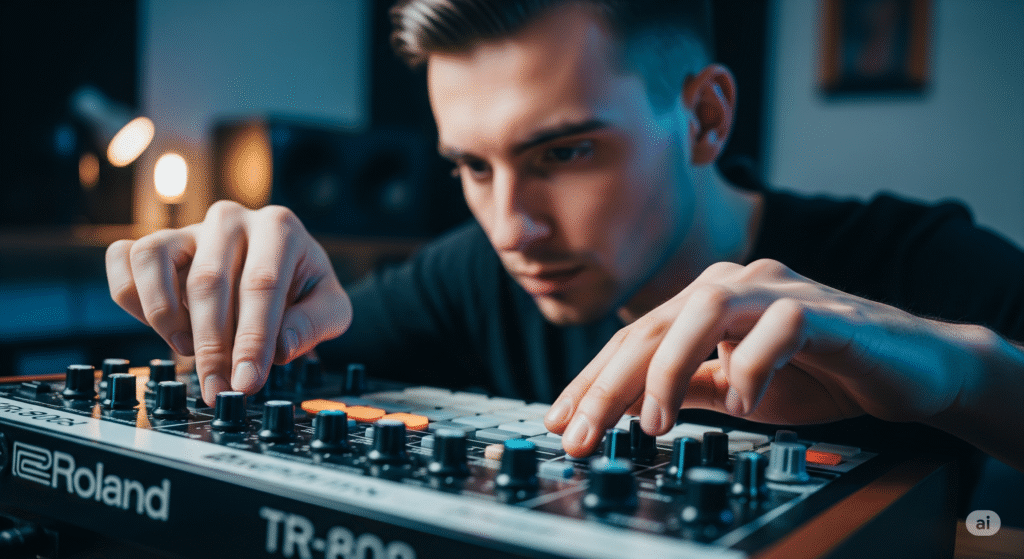
In any Trap Beat, the drum pattern is the backbone. You’ll need a solid foundation of kicks, snares, hi-hats, and claps. Here’s a basic structure to start with:
- Kicks: Punchy, deep, and placed strategically to create bounce.
- Hi-Hats: Often rapid and syncopated, giving Trap Beats their signature energy.
- Snares/Claps: Place your snares on the 3rd beat for that traditional Trap rhythm.
Trap Beat Basslines: Deep 808s
Drake-type beats are known for their powerful 808s. When creating the Trap Beat bassline, focus on achieving a clean, low-end that meshes perfectly with the kick. Use tools like FL Studio’s Bass Boost or Logic Pro’s Channel EQ to make sure your 808s stand out.
Melodies and Chord Progressions for Trap Beats
A crucial part of Trap Beat production is the melody. Drake’s Trap Beats often feature melancholic and atmospheric melodies. Use soft piano chords, airy synths, or subtle pads to create a moody, emotional vibe. Chord progressions should be simple but effective, focusing on minor scales to give that dark, introspective feel.
Sound Design: Creating the Drake Vibe
To nail the Drake-type beat sound, layering is key. Start by choosing your main instrument (piano, synth, or bell), then add textures with atmospheric sounds like reverb-heavy pads or ambient effects. Sound packs and sample kits specifically designed for Trap Beats will help elevate your production.
Groove and Arrangement in Trap Beat Production
When arranging your Trap Beat, pay attention to dynamics and energy. Drake-type beats often start soft, building tension before dropping into the full beat. Use groove creation techniques like half-time hi-hats, reverse effects, and subtle percussive elements to keep listeners engaged.

Mixing and Mastering Trap Beats
Once your Trap Beat is complete, it’s time to mix and master. Focus on creating a clean, spacious mix with each element in its own frequency space. For the best results, use FL Studio’s Parametric EQ or Logic Pro’s Compressor to give your beat that professional polish.
Trap Beat Production Tips
- Use Royalty-Free Sample Packs: Sample packs, especially designed for Trap Beats, can provide the right sounds to take your production to the next level.
- Experiment with Chord Progressions: Don’t be afraid to break the rules. Some of Drake’s best beats come from experimenting with unexpected sounds and progressions.
- Stay Creative with FX: Add subtle reverb, delay, and filters to create depth and dimension in your beats.
WATCH A DEMO:
Download Our Free Trap Beat Sample Pack
Ready to take your Trap Beat production to the next level? Download our free Trap Beat sample pack filled with premium 808s, drum kits, and melody loops designed specifically for crafting Drake-type beats. These samples will give you the tools you need to create professional-level Trap Beats that stand out.
Frequently Asked Questions (FAQ)
Q: What DAW should I use for making Trap Beats?
A: FL Studio and Logic Pro are both excellent for Trap Beat production, offering intuitive workflows and powerful features.
Q: What’s the key to making a good Trap Beat?
A: Focus on creating a strong drum pattern, deep basslines, and atmospheric melodies. Layering and sound design are crucial to creating a full, dynamic sound.
Q: How can I make my Trap Beats sound like Drake’s?
A: Use soft, melancholic melodies, strong 808s, and sparse but effective drum patterns. Mixing is also key to getting that smooth, polished sound.
Conclusion: Start Making Your Drake-Type Trap Beats Today
With these tips and techniques, you’re well on your way to mastering Trap Beat production and creating beats that have the signature sound of Drake. Remember to experiment with your melodies, drum patterns, and effects, and always keep improving your craft.
Now it’s your turn—grab those drum kits, load up FL Studio or Logic Pro or your Favorite DAW, and start creating your next hit!
Download Trap Packs from Here
www.wtmhstudio.com