
Stand Out and Learn How to Make Your Beats Sound More Professional
The gap between a bedroom demo and a radio-ready hit is rarely about the price of your laptop or the number of plugins you own. In the modern era, the true differentiator is the application of fundamental audio principles. Most producers struggle with How to Make Your Beats Sound More Professional because they look for “magic” plugins instead of focusing on the technical delta—the small, incremental improvements in sound selection, leveling, and arrangement that separate amateurs from elites.
To truly finish music production 5 explosive secrets style, you must adopt a professional mindset. This means moving beyond the 8-bar loop and into the world of critical signal processing and intentional songwriting. This guide provides the blueprint to transform your sound.
1. The Foundation: Sound Selection is 80 Percent of the Work
In Learning How to Make Your Beats Sound More Professional, A common mistake is trying to “fix” a bad sound in the mix. If your kick drum is thin or your snare is muddy, no amount of EQ will make it sound like a chart-topping hit. Professional beat making starts with high-quality sources.
Using professional resources like the 101 trap the free trap drum kit at www.wtmhstudio.com ensures that your raw materials are already engineered for clarity. Professional sounds require less processing, which keeps your mix clean and preserves the transient energy.
2. How to Make Your Beats Sound More Professional via Leveling
Leveling is one of the most underrated yet most critical skills if you want to learn How to Make Your Beats Sounds More Professional. Before EQ, compression, or effects even come into play, a great mix is built on strong volume balance. In fact, a professional-sounding mix is often 90 percent proper leveling and only 10 percent everything else. When each element is set at the right level, the song naturally feels clear, powerful, and cohesive without excessive processing.
Good leveling allows the groove to breathe, the vocals to sit comfortably on top, and the rhythm section to hit with impact. If the balance is right, EQ becomes corrective rather than drastic, and compression becomes subtle instead of necessary. Mastering volume relationships is what separates amateur mixes from polished, industry-level productions.
The Pink Noise Technique
One secret to How to Make Your Beats Sound More Professional and achieve balanced mix is using pink noise as a reference. By soloing each instrument against a pink noise generator and adjusting the volume until it is just barely audible over the noise, you can achieve a scientifically balanced level across the frequency spectrum. This is a foundational step in How to Make Your Beats Sound More Professional.
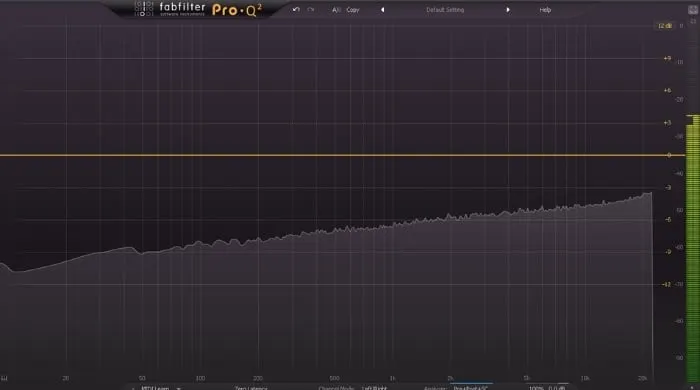
3. Frequency Slotting: Using Surgical EQ to Create Space
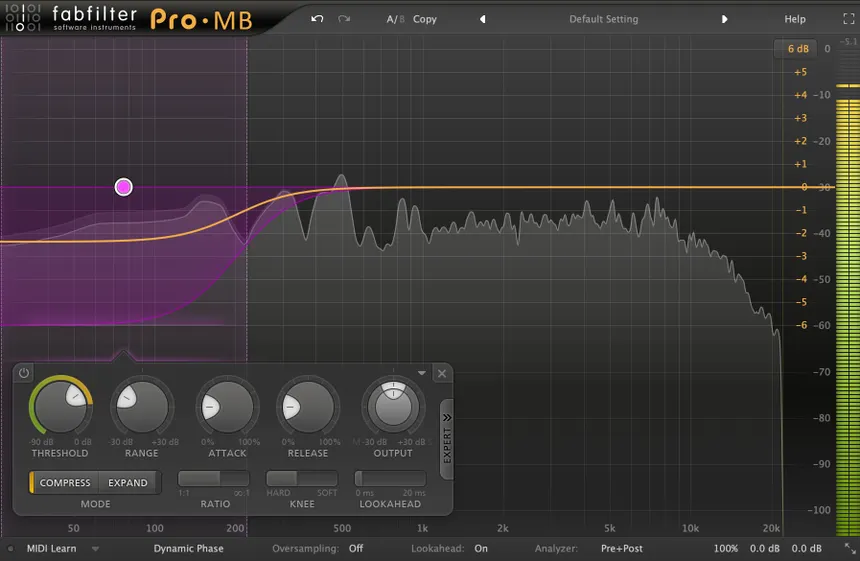
When instruments clash within the same frequency range, the mix quickly starts to sound muddy, unfocused, or even cheap, no matter how good the sounds themselves are. This happens when multiple elements are fighting for the same sonic space, causing a buildup that masks clarity and punch. Professional engineers avoid this by using surgical EQ techniques to deliberately carve out space for each instrument, giving every sound its own defined “slot” in the frequency spectrum.
Instead of boosting everything to be heard, they make precise cuts that reduce competition and improve separation. This approach allows each instrument to shine in its intended range, resulting in a mix that feels clean, balanced, and professional, with depth and clarity across all elements.
The Low-End Conflict
The kick and the bass are the most common enemies. If your kick drum peaks at 60Hz, use a narrow bell curve to dip the bass at that exact same frequency. This allows the kick to punch through without fighting the low-end harmonics of the bassline.
4. The Secret of Transient Shaping for Hard-Hitting Drums
Amateur beats often sound “flat” because the transients (the initial hit of the drum) are buried. A transient shaper allows you to boost the “attack” of your drums without increasing the overall peak volume significantly. This gives your beats that “knock” heard in professional trap and boom-bap productions.
5. How to Make Your Beats Sound More Professional with Arrangement
A professional beat is a story, not just a repeating loop. It needs movement, contrast, and progression to keep the listener emotionally engaged from start to finish. If a beat sounds the same from beginning to end, even with high-quality sounds, it quickly becomes predictable and loses impact. Skilled producers introduce subtle changes over time—adding or removing elements, adjusting drum patterns, switching melodies, or creating tension through drops and breakdowns.
These variations guide the listener through different moments of energy and emotion, making the beat feel alive and intentional. A well-arranged beat keeps evolving, pulling the listener forward and making them want to stay until the very last bar.
Using Theory to Build Tension
By applying a music theory for producers composition guide, you can create chord inversions and melodic variations that signal the transition from verse to chorus and master How to Make Your Beats Sound More Professional Removing the kick drum for the last two bars of a verse is a simple but effective professional arrangement trick to build tension.
6. Stereo Imaging: Creating Depth and Width in the Mix
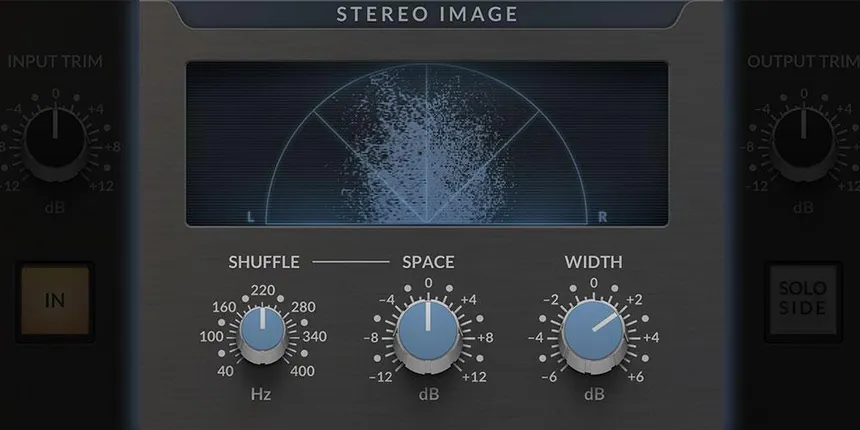
To master How to Make Your Beats Sound More Professional we need to talk about Stereo Imaging. Professional beats feel “wide” and “immersive.” This is achieved through intentional panning and stereo widening.
- Keep the Low End Mono: Always keep your kick and sub-bass in the center.
- Pan Percussion: Lightly pan your hats and percs (10-30 percent left/right) to create a soundstage.
- Wide Melodies: Use chorus or stereo enhancers on pads and background synths to wrap the sound around the listener.
7. Dynamic Control: Beyond Basic Compression Techniques
Compression is not just about making things loud; it is about controlling the movement of the sound.
To truly master How to Make Your Beats Sound More Professional, you must learn to use bus compression. Applying a gentle “glue” compressor (1.5:1 ratio) on your drum bus helps the individual drum hits feel like they belong to the same kit. For the ultimate low-end control, always refer to a sidechain compression advanced guide.
8. Saturation and Harmonic Excitement for Analog Warmth
Digital audio can sometimes feel “cold” or too perfect. Adding subtle saturation introduces even and odd harmonics that mimic the sound of expensive analog gear. This adds “weight” and “grit” to your sounds, making them feel more organic and expensive.
9. Parallel Processing: The Professional Secret for Weight
Parallel processing involves blending a clean, dry signal with a heavily processed version of that same signal to achieve the best of both worlds. Instead of fully committing to extreme compression, saturation, or effects, engineers duplicate the signal, process one copy aggressively, and then mix it back in subtly with the original.
This technique allows you to add power, density, and character without sacrificing clarity or dynamics. In modern production, parallel processing is commonly used to make drums hit harder, vocals sound fuller, and instruments feel more present while still retaining their natural tone. When done correctly, it enhances impact and energy without making the mix sound overworked or artificial.
Parallel Compression on Drums
Send your drums to a separate bus and apply “crushing” compression. Blend this bus back in with your original drums. This gives you the best of both worlds: the punchy transients of the dry signal and the thick, aggressive body of the compressed signal.
10. The Final 5 Percent: Critical Listening and Referencing
The final step in How to Make Your Beats Sound More Professional is using reference tracks. Import a professional hit into your DAW and compare your mix to theirs. Use a spectrum analyzer to see if your low-end matches their energy.
If your adhd music production workflow hacks keep you moving too fast, remember to slow down for this final quality control stage.
Conclusion: How to Make Your Beats Sound More Professional
Transforming your music & Learning How to Make Your Beats Sound More Professional requires a combination of elite sound selection, technical mixing precision, and strategic arrangement. By following these How to Make Your Beats Sound More Professional 10 tips, you move away from amateur habits and toward commercial excellence.
Ready to take the next step? Visit www.wtmhstudio.com to find the highest-quality drum kits and MIDI kits used by professional producers worldwide.
FAQ: How to Make Your Beats Sound More Professional
1. What makes a beat sound cheap?
Usually, it is a combination of poor sound selection (low-quality samples), lack of dynamic range (over-compression), and a “static” arrangement that never changes.
2. Do I need expensive plugins to sound professional?
No. Stock plugins in modern DAWs are extremely powerful. Professionalism comes from how you use EQ, compression, and leveling, not the brand of the plugin.
3. How to Make Your Beats Sound More Professional: Should I mix as I go?
While “top-down” mixing is popular, it is often better to separate the creative stage (making the beat) from the technical stage (mixing) to maintain focus and objectivity.
4. How do I get my drums to punch through the mix?
Use a combination of gain staging (leveling), sidechaining your bass to your kick, and using a transient shaper to emphasize the attack.