
Can I Mix and Match Sample Kits from different genres?
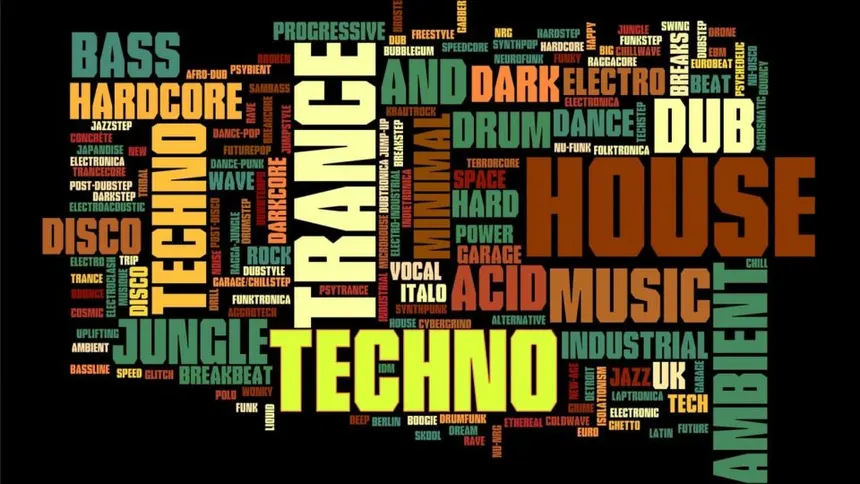
The best producers are not purists; they are sonic thieves. They do not adhere to strict genre rules; they write new ones. The most exciting music today is Genre-Blending Music, creating tracks that define micro-eras by combining unexpected elements.
You have great Dancehall, Trap, and Afrobeat kits, but how do you combine them without sounding like a chaotic mess? It is a common challenge.
The answer is yes, you absolutely Mix and Match Sample Kits successfully, but it requires strategy, not just luck. This guide will reveal 10 proven secrets to master Cross-Genre Production & Mix and Match Sample Kits, ensuring your tracks are unique, cohesive, and professional, regardless of the sonic DNA you start with.
The New Era of Genre-Blending Music (The Why)
Why Genre Purity is Dead in 2025
The streaming era has killed genre segregation. Listeners no longer stick to one folder; they move seamlessly from a Trap artist to an Afrobeat artist to a UK Garage producer in a single playlist. This creates a demand for new sounds that bridge these gaps. Producers who practice Cross-Genre Production are simply meeting the consumer’s demand for novelty and variety.
Successful Examples of Mix and Match Sample Kits
Look at the charts. Hits often feature an acoustic drum pattern layered with a hyper-saturated 808. They pair the warm, Latin percussion loops with a cold, metallic EDM synth lead. This intentional sonic conflict, when resolved correctly, creates energy and tension.
The Competitive Edge of a Unique Sound
According to Mix and Match Sample Kits When everyone is using the same top 10 essential trap drum kits, their tracks will sound similar. Your unique sound comes from combining that familiar Trap kick with a rare, organic shaker loop from a Bollywood or Fela Kuti-inspired kit. This instant novelty is the competitive edge.
Secret 1: Establishing Sample Kit Compatibility with Tempo and Key
The two biggest technical barriers to Mix and Match Sample Kits are timing and pitch.
The Tempo Conflict: Converting BPMs Quickly
The first step is ensuring rhythmic Sample Kit Compatibility. If you are producing at 130 BPM and a loop is 95 BPM, you must match them. Use your DAW’s built-in time-stretching or warping functions. While stretching a beat too far will introduce artifacts, stretching single drum hits (like a clap or hi-hat) from a different tempo kit is perfectly fine. Use a [free BPM calculator] if you need to quickly tap-match an audio loop to its tempo.
The Key Conflict: Tuning Pitched Samples
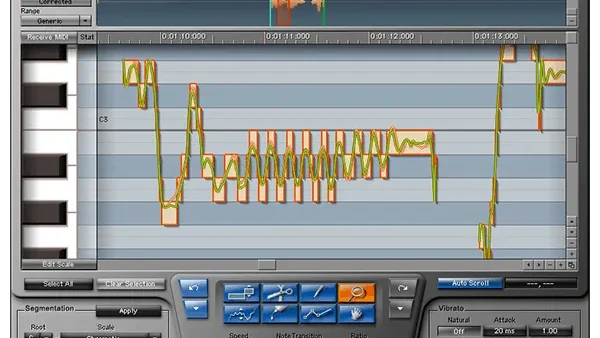
If you are mixing a major key synth melody with a minor key bass loop, the result will sound dissonant. If a sample is pitched (like a sub-bass or an arpeggiated synth loop), you must tune it. Use a tuner plugin to find the key of the foreign sample, then use your DAW’s transpose or sampler function to tune it to the correct key of your track. This process of Key and Tempo Matching is non-negotiable for musical elements.
Secret 2: The Cohesion Core: Choosing Your Anchor Samples
Not every sound can be experimental. You must choose a foundation that grounds the track and give you that Mix and Match Sample Kits you are looking for.
Anchoring with the Kick and Snare (The Rhythmic Foundation)
The listener’s brain relies on the Kick and Snare/Clap for rhythmic orientation. These should usually come from one kit or be heavily processed to sound cohesive. If you use a heavy, compressed Trap kick, use a Trap snare. Let the rest of the percussion be your sonic playground.
The Bassline Rule: Mixing Tonal Cohesion
If you are using a warm, saturated analog bass sample, pair it with samples that share a similar frequency characteristic (maybe a retro pad or a vintage keyboard). If you use a cold, surgical digital bass, pair it with clean, clinical hi-hats. Matching the overall Tonal Cohesion of the foundation pieces is crucial before adding foreign flavor.
Secret 3: Building a Hybrid Drum Kits That Slams
This is the fastest way to Mix and Match Sample Kits & create a unique sound. Do not just use one kick; build a custom monster.
Blending Acoustic Attack with Electronic Decay
For instance, take the sharp “attack” transient of a live, acoustic Jazz drum sample. Then, layer underneath it the long, sub-heavy “decay” tail of a clean, electronic 808 kick. The result is a kick that has both punchy presence and massive sub-power. This is the essence of building Hybrid Drum Kits.
Layering Techniques for a Unique Signature Sound
- The Top-End: Use a shaker or hi-hat from a foreign kit (like a Latin or Dancehall kit) and use a high-pass filter to only keep the metallic, high-frequency “zing.”
- The Body: Use the core body of your anchor kick/snare.
- The Bottom: Use the low-frequency rumble of a pure sub sample.
For example, take the warm, organic elements from your [afrobeat drum kits] and use them to give an acoustic foundation to your electronic snares and claps.
Secret 4: Solving the Tonal Cohesion Problem with Processing
Processing is the “glue” that melts your disparate sounds together.
Using Saturation to Glue Disparate Samples
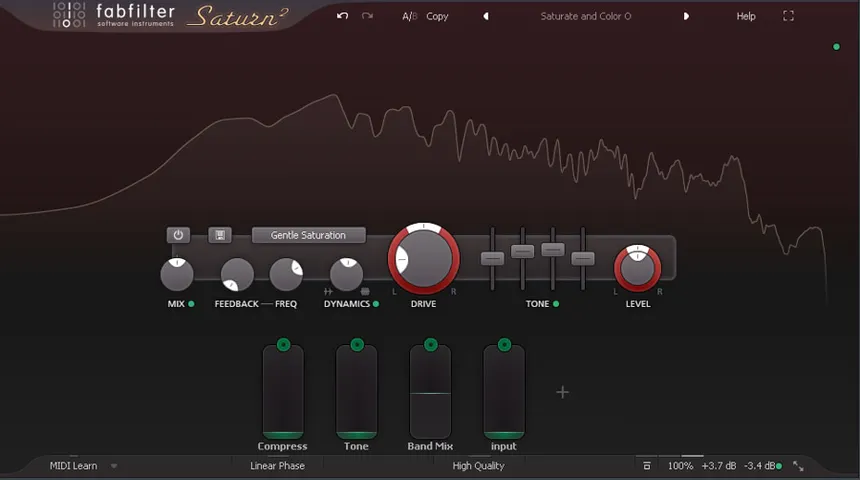
Saturation and subtle harmonic distortion are your best friends for achieving Tonal Cohesion. Place a tape or tube saturation plugin on a drum bus or percussion group. As the signal passes through, the plugin generates new harmonics, effectively making the different sounds share similar harmonic content. This [the science of harmonic saturation] creates the perception of sonic unity.
Grouping and Applying Bus Compression
Group all your percussion samples (Kick, Snare, Hi-Hats, Loops) into one Bus. Apply a single, gentle compressor to that bus. The compressor will react to the entire rhythm section as one unit, ducking all elements slightly whenever the kick hits. This creates rhythmic synchronization and sonic “glue.”
Using Reverb and Delay to Create a Shared Space
Apply the exact same short, subtle room reverb (on an auxiliary send) to every sample you have combined from different genres. This makes the listener perceive that all the sounds were recorded in the same acoustic space, instantly solving the Sample Kit Compatibility problem.
Secret 5: Creative Beat Generation with Foreign Loops
Loops from different genres offer an instant rhythmic texture, but they require creative manipulation.
Chopping and Slicing Foreign Loops (The Hip-Hop Method)
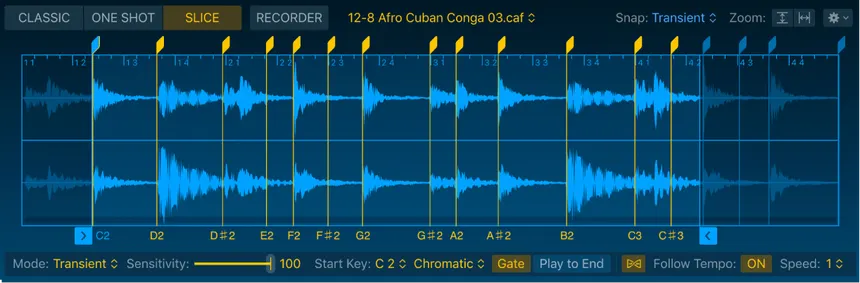
Do not use a foreign loop in its entirety. Instead, chop it into quarter-note, eighth-note, or even sixteenth-note segments. Rearrange these segments rhythmically. This allows you to retain the unique texture of the foreign loop while ensuring it follows the core rhythm and time signature of your Beat Generation idea.
Time Stretching vs. Pitch Shifting (When to Use Which)
- Time Stretching: Used when you need to slow down or speed up a loop without changing its pitch. Ideal for rhythmic elements.
- Pitch Shifting: Used when you need to change the musical key of a loop without changing its speed. Ideal for melodic or tonal percussion loops.
Secret 6: The Art of Foreign Percussion Placement
Use foreign samples as accents and rhythmic fillers, not as the main rhythm.
Using Congas from Afrobeat Kits in a Trap Beat
Your Trap beat’s main rhythm is the Kick and Snare. You can use a conga or shaker loop from an Afrobeat kit and tuck it in quietly on the 16th-note subdivisions between the main hits. This adds a subtle, funky rhythmic pulse without compromising the core Trap groove.
Dancehall Rimshots as Accent Hits in an EDM Drop
While maintaining the core riddim of your [guide to dancehall beats], you can use foreign loops for atmospheric texture. A sharp Dancehall rimshot or click can be placed on the off-beat after the main snare to add a unique flavor and crispness to an EDM rhythm section.
Secret 7: Mastering the Dynamic Range of Combined Samples
Samples from different kits are often mastered at different loudness levels. This must be fixed.
Level Matching the Loudness of Different Kits
When you drag a quiet, organic sample next to a loud, compressed EDM sample, they will clash. Use gain staging (the volume fader, utility, or clip gain) to bring all disparate samples to roughly the same starting loudness before applying compression. This ensures Sample Kit Compatibility in terms of perceived volume.
EQing for Space and Clarity
Use EQ to carve out space. If the Hybrid Drum Kits you are building sound muddy:
- Low-End Check: High-pass filter everything except the Kick and Sub-Bass.
- Mid-Range Conflict: Identify clashing frequencies (often $200\text{ Hz}$ to $500\text{ Hz}$) and gently cut one element to let the other shine.
Secret 8: The Mix and Match Sample Kits Checklist
Before exporting, put your track through this simple Mix and Match Sample Kits checklist.
Mix and Match Sample Kits Checklist
The ‘Too Many Genres’ Warning Sign
If your track sounds like a messy collage of five different world instruments and three electronic kits, you are attempting too much. Limit the number of “foreign” elements to one or two per rhythmic section to keep the focus clear.
Test the Vibe: The Head-Nod Test
The best metric is simplicity: Does the beat make you nod your head? If the combined rhythm is confusing, jerky, or makes your listener stop moving, go back and simplify. The rhythm must be seamless, even if the sounds are conflicting.
Secret 9: Workflow for Fast Mix and Match Sample Kits
Creating a Custom, Curated Favorite Sample Folder
Stop dragging full sample kits just to achieve Mix and Match Sample Kits into your sessions. Create a single “Hybrid Favorites” folder that only contains your absolute best, most unique sounds from all your kits (e.g., one great Afrobeat conga, one massive Trap kick, one unique Fx sound). This speeds up your Cross-Genre Production immensely.
Using MIDI to Trigger Custom Hybrid Kits
Instead of using loops, assign your favorite Hybrid Drum Kits (Kick, Snare, Hi-Hat layers) to a single MIDI track in order to Mix and Match Sample Kits. Pairing this custom kit with [elevating your production workflow with MIDI kits] allows you to program unique, rhythmically aligned patterns instantly, ensuring the different sounds work together perfectly.
Conclusion
Mastering the strategy to Mix and Match Sample Kits is the final step to a truly unique and compelling sound. Do not view genre as a box, but as a vast, interconnected library.
Mix and Match Sample Kits success is built through careful rhythmic alignment (Key and Tempo Matching) and strategic processing (Saturation and shared Reverb) to ensure Tonal Cohesion. Your signature sound is found in the blend.
Stop limiting your creativity; start combining your kits today and find your unique Genre-Blending Music voice with Mix and Match Sample Kits.
FAQ Section
1. What is the fastest way to check Mix and Match Sample Kits?
The fastest way is the ‘Rhythm and Key Check.’ Check that the BPMs are aligned first. Then, use a simple tuner plugin to verify that all pitched melodic or percussive samples are in the same musical key as your track.
2. How do I avoid copyright issues when I Mix and Match Sample Kits?
Always check the sample library licensing terms. Most professional kits (WTMH Studio, Splice, Loopmasters) grant royalty-free commercial rights. As long as you are using the samples within the terms (not reselling them as new kits), Mix and Match Sample Kits is generally covered.
3. How do I achieve Tonal Cohesion between a synthetic bass and a real brass sample?
When Mix and Match Sample Kits Group Samples onto a single bus and apply subtle saturation and compression. Saturation will add shared harmonic overtones (the “glue”), while bus compression will make them react dynamically as one unit, solving the Tonal Cohesion problem.
4. Can I use a percussion loop from one kit and the bass drum from another?
Absolutely. This is the core principle of Mix and Match Sample Kits. The bass drum is the rhythmic anchor, and the percussion loop provides the unique, foreign texture. Just ensure the loop is time-stretched to the correct BPM.
5. What is the best DAW for Cross-Genre Production?
Any major DAW (Ableton Live, FL Studio, Logic Pro, Pro Tools) can handle it, but DAWs with superior loop manipulation and time-stretching tools (like Ableton Live) are often preferred for quick, experimental Beat Generation.
6. Should I layer more than three samples to create Hybrid Drum Kits?
It is rarely necessary. Most Hybrid Drum Kits are built with three layers: a core body/midrange, a sub/low-end foundation, and a top-end transient/shaker. Layering more than four sounds often leads to phase cancellation and a muffled sound.
7. What is the purpose of Key and Tempo Matching when blending?
Key and Tempo Matching ensures that rhythmic elements are perfectly timed and that melodic/tonal elements do not create dissonance. It is the technical foundation that allows the creative blending to sound professional rather than chaotic.
8. What is the biggest mistake producers make when attempting Genre-Blending Music?
The biggest mistake is ignoring rhythmic density. They combine a busy, fast percussion loop with a busy, fast melodic loop, resulting in too many elements competing for the listener’s attention. Always create space by simplifying one element to make the other shine.