
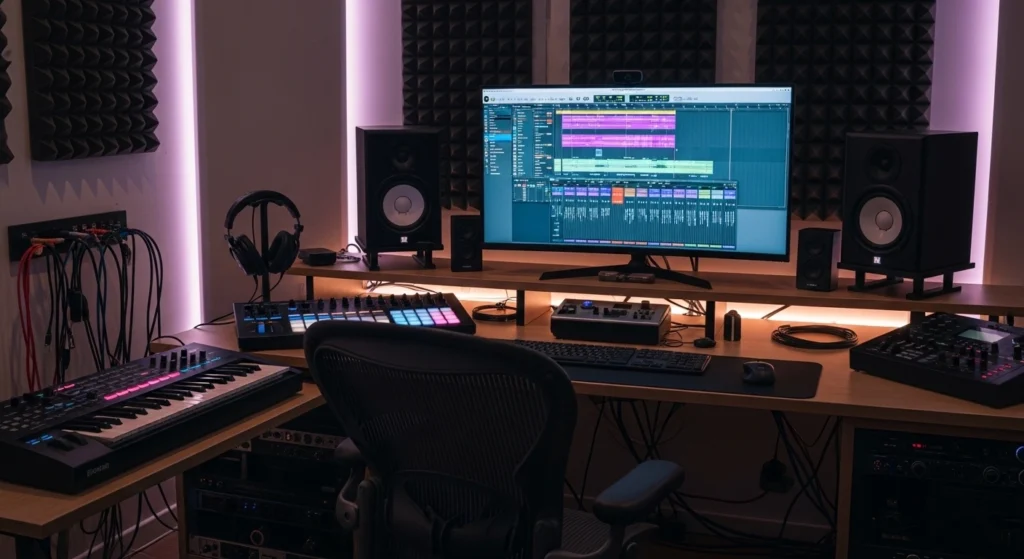
Starting your journey into the world of audio creation can be an overwhelming experience. Without a clear Music Production Roadmap, most beginners find themselves lost in a sea of complex plugins, technical jargon, and expensive gear lists. The first 90 days are critical; this is the period where most aspiring producers either build a solid foundation or quit out of frustration. This guide provides a revolutionary and effortless path to mastering the basics and finishing your first professional sounding track.
The problem is that the internet provides too much information and not enough direction. You do not need to learn everything at once. You need a structured Music Production Roadmap that focuses on the essential skills in the right order. By following this complete expert guide, you will transform from a curious listener into a capable creator with a guaranteed workflow.
Why You Need a Structured Music Production Roadmap
The secret to becoming a successful producer is not talent; it is consistency and organization. A structured Music Production Roadmap acts as your internal GPS, keeping you focused on one milestone at a time. This approach prevents the paralyzing fear of the blank screen and ensures that every hour you spend in the studio leads to measurable progress.
Avoiding the Beginner Overwhelm
Most beginners make the mistake of trying to learn mixing, mastering, and complex synthesis in their first week. This is a recipe for failure. Your Music Production Roadmap should prioritize the core mechanics of your software first. Understanding how to navigate your workspace is more important than knowing how to use a multi-band compressor. By narrowing your focus, you allow your brain to build the muscle memory required for advanced tasks later.
Setting Realistic 90 Day Goals
What does success look like in three months? It does not mean winning a Grammy. It means understanding your DAW, finishing three to five sketches, and completing one fully mixed track. Setting these realistic goals within your Music Production Roadmap ensures you maintain momentum. Small wins lead to explosive growth over time.
Phase One: The First 30 Days of Your Music Production Roadmap
The first month is all about setup and orientation. You need to turn your computer into a functional instrument and learn how to play it.
Choosing Your Digital Audio Workstation (DAW)
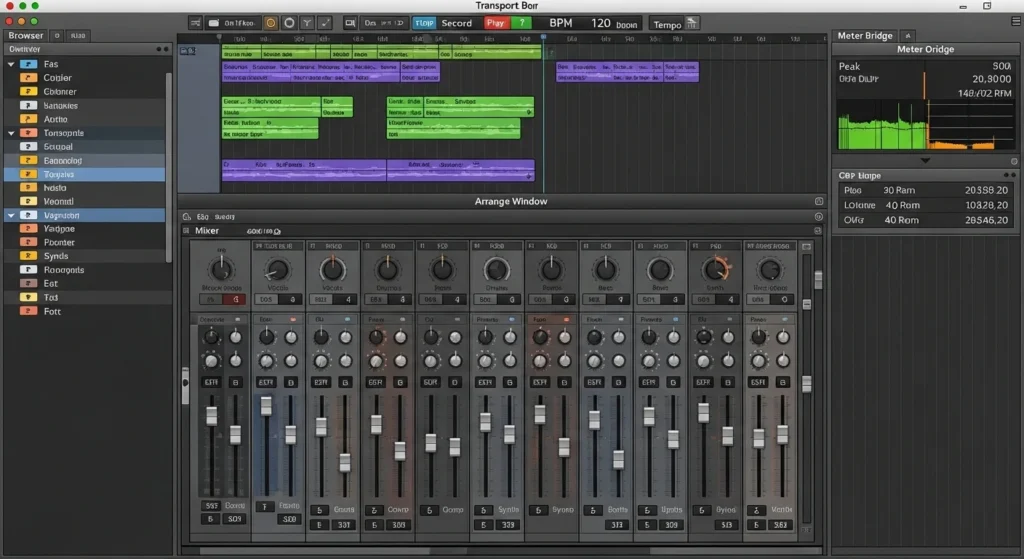
Your DAW is the heart of your studio. Whether you choose Ableton Live official software, FL Studio, or Logic Pro, the goal is to pick one and stick with it. Do not jump between different programs. Every major DAW is capable of making hits. The best one is the one that makes sense to your eyes and hands. In this early stage of your Music Production Roadmap, focus on learning the shortcuts and the signal flow of your chosen software.
Essential Hardware for Your Home Studio
You do not need a million dollar studio to start. To follow this Music Production Roadmap successfully, you only need three things: a decent computer, a pair of studio headphones or monitors, and a simple MIDI keyboard. High quality audio is now possible with minimal gear. Prioritize a comfortable workspace where you can sit for hours without distraction.
Learning the Interface Basics
Spend your first 30 days learning where everything is. How do you load a sound? How do you record a clip? How do you export a file? Mastering these simple tasks is the first major hurdle of the Music Production Roadmap. Once you stop thinking about the buttons, you can start thinking about the music.
Phase Two: Days 31 to 60 – Composition and Theory
Once you are comfortable with your software, month two of your Music Production Roadmap focuses on the actual notes and rhythms.
Basic Music Theory for Modern Producers
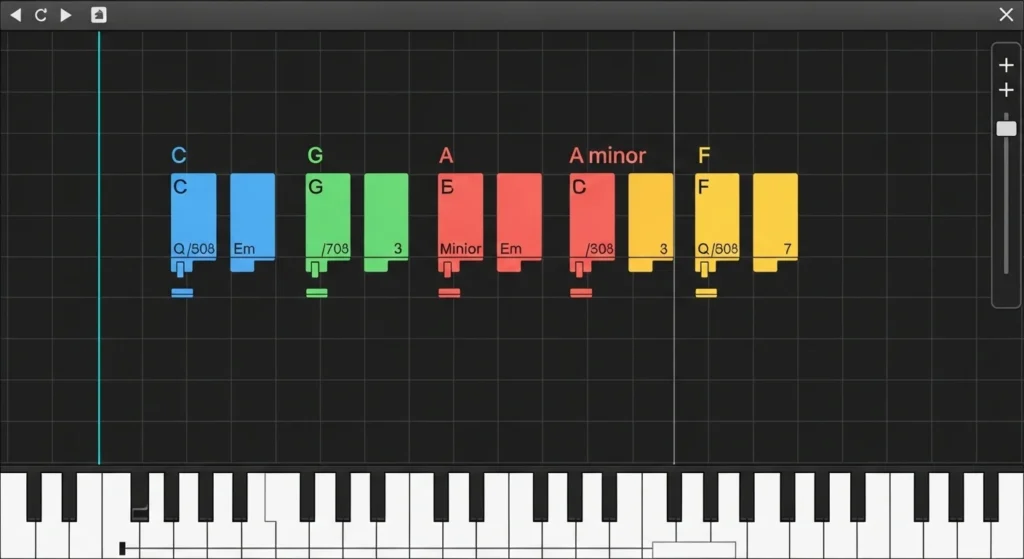
You do not need a degree in classical piano, but you do need to understand scales, chords, and keys. Learning how to stay in key is the difference between a professional track and an amateur one. Use a music theory for producers composition guide to learn the basics of building emotional chord progressions and catchy melodies. This is where your Music Production Roadmap turns technical knowledge into creative expression.
Creating Your First Drum Patterns
Drums are the engine of almost every modern genre. Whether you are making Trap, House, or Afrobeat, the drum pattern dictates the groove. Start by mimicking your favorite songs. This is an essential part of the Music Production Roadmap because it teaches you about syncopation, velocity, and swing.
Understanding Sound Selection and Layering
A common mistake is trying to fix bad sounds with effects. Professional producers know that great songs start with great sounds. Learning how to mix and match sample kits is a vital skill. In this phase of the Music Production Roadmap, focus on finding sounds that work together naturally before you even touch an EQ or a compressor.
Phase Three: Days 61 to 90 – Mixing and Finishing
The final month of your Music Production Roadmap is about taking your ideas and turning them into a finished product.
The Fundamentals of Audio Mixing
Mixing is the art of balancing all your elements so they sound clear and powerful. This involves adjusting volumes, panning sounds in the stereo field, and using basic tools like EQ and compression. Study Sound on Sound mixing techniques to understand how professionals approach the sonic landscape. Remember, a good mix starts with a good arrangement.
How to Finish Your First Full Track
Finishing a song is a skill in itself. Many producers have hundreds of 8 bar loops but no finished songs. Your Music Production Roadmap requires you to push through the “middle” of the song. Use finish music production explosive secrets to learn how to arrange your ideas into an Intro, Verse, Chorus, and Outro.
Mastering for the Modern Listener
Mastering is the final polish. It ensures your track is loud enough and balanced enough to compete with professional releases. While you may eventually hire a professional, learning basic mastering during your Music Production Roadmap helps you understand the final stage of the audio chain.
Essential Tools for Your Music Production Roadmap
To keep your costs low while you learn, leverage the power of free resources.
Best Free VST Plugins for Starters
You do not need to spend thousands on software. There are incredible free vst plugins for trap and rnb that rival paid alternatives. These tools are perfect for following your Music Production Roadmap without financial stress.
Utilizing High Quality Sample Packs
Samples provide a professional shortcut. Instead of spending hours designing a kick drum from scratch, use a high quality sample and focus on the songwriting. This keeps the momentum of your Music Production Roadmap moving forward.
Overcoming Common Hurdles in Your First 90 Days
The path is not always easy. Expect moments of doubt and technical frustration.
Managing Production Burnout
Creative work is draining. If you find yourself staring at your screen for three hours without making a sound, take a break. Research studies on creative burnout shows that forced creativity is rarely successful. Step away from the Music Production Roadmap for a day to recharge your ears.
Developing Your Unique Sonic Signature
In the beginning, you will sound like your influences. This is normal. Over time, your unique tastes will start to bleed into your work. The goal of this Music Production Roadmap is to give you the technical tools so your unique voice can eventually shine through.
FAQ
How long does it take to learn music production? While you can learn the basics in 90 days following a Music Production Roadmap, mastering the craft takes years of practice and experimentation.
Do I need to play an instrument to produce music? No, but it helps. A Music Production Roadmap often includes learning basic keyboard skills which will significantly speed up your workflow.
What is the best DAW for beginners? There is no single best DAW. Most beginners choose Ableton Live or FL Studio because of the vast amount of tutorials available for these platforms.
How much money do I need to start? You can start for as little as 200 to 500 dollars if you already have a computer. The most important investment in your Music Production Roadmap is your time.
Can I produce music on a laptop? Absolutely. Most modern hits are produced on laptops. A portable setup allows you to follow your Music Production Roadmap anywhere.
What is the most important skill in music production? Finishing tracks. A Music Production Roadmap is useless if you never complete your projects. Learning to say a song is done is a superpower.
Conclusion
Your journey as a creator starts with a single step. By following this Music Production Roadmap, you have a proven path to navigate the first 90 days of your career. From setting up your DAW to mastering your first track, every milestone is designed to move you closer to your goals.
Remember that every elite producer started exactly where you are today. The only difference is that they stayed in the game. Use this roadmap as your guide, stay consistent, and begin your bedroom producer career guide journey today. The world is waiting to hear your sound.