
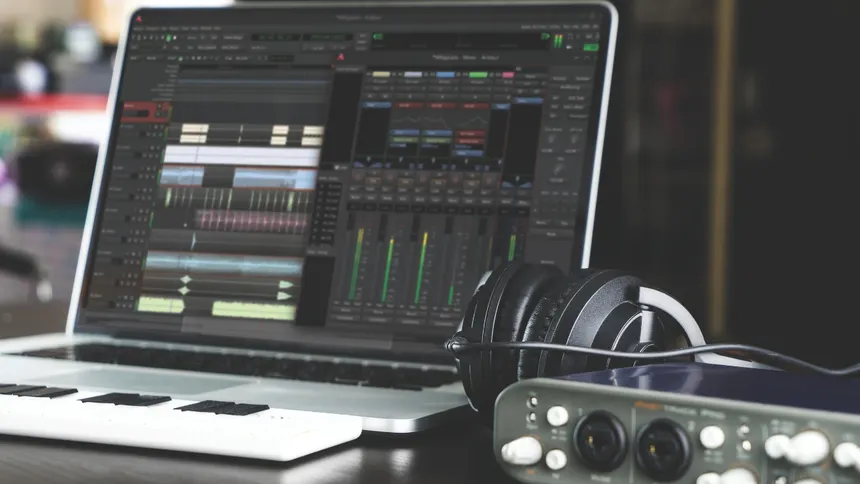
The meteoric rise of Rema has transformed the global music landscape, introducing millions to the hypnotic fusion of Afrobeats, trap, and Indian influences. Creating a Rema Type Beat requires understanding the intricate balance between traditional African percussion, modern trap production, and melodic experimentation. This comprehensive guide reveals the exact techniques, tools, and strategies professional producers use to capture Rema’s signature sound.
Afro-fusion has exploded from 3.2 billion streams in 2020 to over 13.5 billion in 2024, with Rema leading the charge as one of the most streamed African artists globally. His innovative approach blends cultural authenticity with cutting-edge production techniques, creating a blueprint that producers worldwide are racing to decode. By implementing these proven techniques, you’ll elevate your production quality, attract more artists, and position yourself at the forefront of the Afro-fusion revolution.
Understanding Rema’s Signature Sound Palette
Creating an authentic Rema Type Beat starts with understanding the core sonic elements that appear consistently across his discography. Rema’s productions utilize a carefully curated sound palette that balances organic African instruments with synthetic textures, creating a distinctive sonic fingerprint.
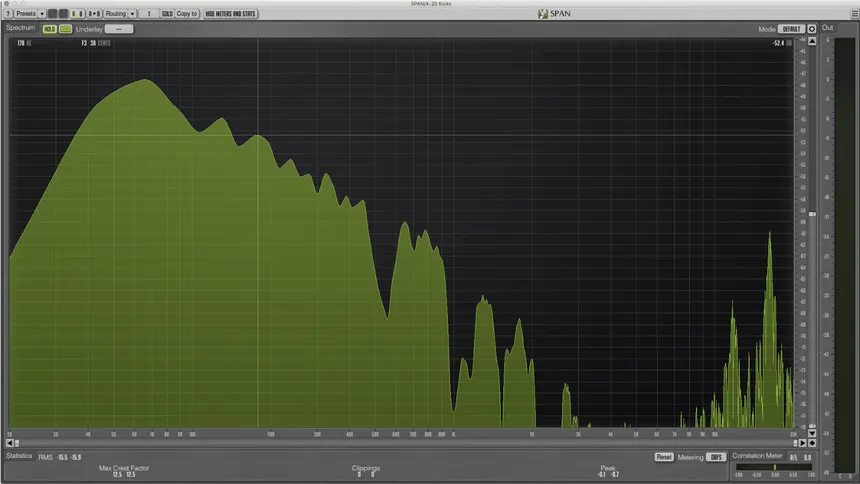
Professional Rema Type Beat productions operate on a three-layer philosophy: the rhythmic foundation below 200Hz consists of 808 bass, kick drums, and primary percussion. The harmonic middle, occupying 200Hz to 4kHz, contains melodic instruments, chord progressions, and rhythmic elements like shakers and hi-hats. The atmospheric top, from 4kHz upward, houses ambient textures and vocal air. This frequency distribution ensures clarity and prevents muddiness.
The drum palette combines traditional Afrobeat percussion with modern trap elements. Start with punchy 808s tuned to your key, preferably with slight distortion for character. Layer kicks with sub-bass frequencies around 40-60Hz while the transient punches through at 80-100Hz. For authentic flavor, integrate essential Afrobeat drum kits featuring shekere, talking drums, and congas. Trap-influenced hi-hats programmed at 1/16th or 1/32nd note divisions with velocity variations create rhythmic interest.
Melodic instrumentation favors warm, analog-style synths over digital harshness. Pluck synths with quick attack work excellently for rhythmic chord stabs, while pad synths with slow attacks create atmospheric beds. According to industry-standard synthesis methods, layering multiple synth textures at different octaves creates depth characteristic of professional Afro-fusion beats. Guitar elements inject emotional resonance, whether palm-muted rhythms or sustained chords.
Building the Perfect Drum Foundation
Drums form the rhythmic backbone of any Rema Type Beat. Rema’s drum patterns blend the syncopated rhythms of traditional Afrobeats with the hard-hitting directness of trap music, creating grooves that feel simultaneously exotic and familiar.
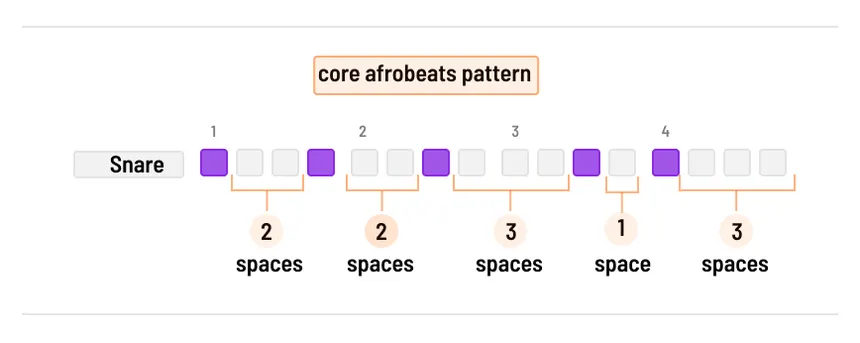
Start with the kick and 808 relationship. Program your kick pattern first, typically on the 1 and 3 of each bar with occasional variations. The 808 bass pattern provides melodic bass line and rhythmic bounce. Unlike traditional trap, Rema-style productions use shorter 808 notes with strategic slides between pitches. Program 808s to hit simultaneously with some kicks for impact while filling rhythmic gaps at other points. Velocity variations create rhythmic accents that guide the groove.
Hi-hat programming requires balance between complexity and groove. Start with a basic 1/8th note pattern on closed hi-hats, then add 1/16th note variations during specific sections. The secret lies in velocity programming, with every second or fourth hit slightly softer, creating a swinging, humanized feel. Introduce trap-style hi-hat rolls sparingly, typically for 1-2 beats maximum before returning to the main pattern.
The authentic Afrobeat flavor comes from properly integrated African percussion. Shekere patterns provide rhythmic texture, typically panned wide for stereo width. Talking drums or djembe hits accent specific moments. Congas and bongos add warmth with varied velocities and slight timing variations to simulate live playing. For producers interested in mixing samples across genres, this hybrid approach demonstrates how blending techniques creates fresh, marketable sounds.
Creating Melodic Patterns and Chord Progressions
Melody and harmony separate good Rema Type Beat productions from great ones. Rema’s tracks feature memorable melodic hooks and sophisticated chord progressions that balance simplicity with emotional depth.
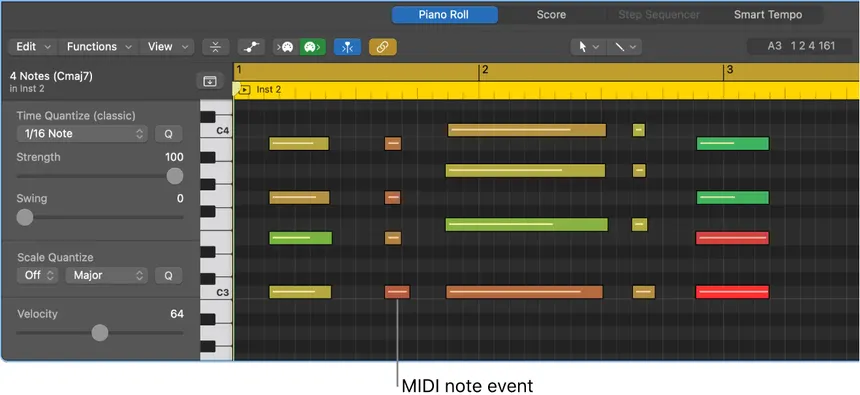
Most Rema Type Beats operate in minor keys, providing emotional depth and slight melancholy. Natural minor, harmonic minor, and Dorian mode appear frequently. Popular keys include C minor, D minor, E minor, and G minor. Focus on the pentatonic scale as your melodic foundation, adding chromatic passing tones occasionally for sophistication.
Effective Rema-style chord progressions typically use 4-chord loops. The most common progressions include i-VI-III-VII in minor keys, creating emotional movement while remaining accessible. For example, in C minor: Cm-Ab-Eb-Bb. Experiment with sus2 and sus4 chords to create tension and release. Chord voicings significantly impact emotional character. Closed voicings sound tight and focused, while open voicings spanning two or more octaves create lush, expansive sounds.
Memorable melodies follow key principles: start with rhythmic simplicity, target chord tones on strong beats, and create melodic contour by alternating ascending and descending phrases. Use stepwise motion for most of your melody with occasional leaps for dramatic effect. Incorporating call-and-response patterns, borrowed from African musical traditions, adds authenticity. For enhanced melodic workflow, explore MIDI workflow strategies that accelerate the creative process.
Professional Rema Type Beats layer multiple complementary melodies at different octaves and timbres. Your main melody occupies the midrange around 400Hz-2kHz. Layer a harmony line a third or fifth above or below using contrasting timbre. Add a counter-melody during gaps in the main melody. One distinctive aspect involves subtle incorporation of Indian or Middle Eastern melodic elements using harmonic minor or Phrygian dominant scales.
Bass Design and Sub-Frequency Management
The low-end foundation makes or breaks a Rema Type Beat. Proper bass design ensures your beats hit hard on club systems while remaining clear on headphones and consumer speakers.
Professional productions employ a two-layer bass approach: a pure sine wave sub-bass below 80Hz for low-end foundation, and a harmonically rich mid-bass between 80Hz and 250Hz for presence on smaller speakers. Process the mid-bass layer with saturation or distortion to generate harmonics extending into the midrange.
Sidechain compression creates the rhythmic pumping effect essential to modern Afro-fusion. Route your kick drum to trigger compression on the bass, causing the bass to duck slightly each time the kick hits. For detailed implementation, refer to comprehensive sidechain compression techniques. Set attack times between 5-20ms and release times around 100-250ms matching your tempo.
808 slides add distinctive character. Program slides strategically from the root note up a third, fourth, or fifth to the next chord tone. Keep slide duration short, usually 1/16th or 1/32nd note. Keep bass elements, especially content below 150Hz, strictly mono to avoid phase cancellation issues. However, upper harmonics above 200Hz can benefit from subtle stereo width.
Essential Plugins and Software for Production
Creating professional-quality Rema Type Beat productions requires specific tools optimized for Afro-fusion workflows. While expensive hardware isn’t mandatory, certain software instruments significantly streamline the process.
FL Studio dominates Afrobeat production due to its intuitive piano roll and excellent MIDI workflow. Ableton Live offers superior MIDI and audio warping capabilities. Logic Pro X provides excellent built-in plugins for Mac users. Choose your DAW based on workflow preference rather than perceived prestige.
Serum by Xfer Records dominates modern production for creating warm pads, plucky leads, and atmospheric textures. Native Instruments Massive X offers similar capabilities with slightly more analog character. For authentic African percussion, consider Gospel Musicians African Percussion Library or Impact Soundworks Bravura Scoring Percussion. For additional professional sounds, explore curated collections of free VST plugins without financial investment.
FabFilter Pro-Q 3 stands as the industry-standard EQ plugin offering surgical precision. For compression, FabFilter Pro-C 2 provides transparent dynamics control with extensive sidechain options. Valhalla VintageVerb delivers lush reverbs perfect for vocals and pads. Soundtoys Decapitator adds warmth and character through analog-style saturation.
Vocal Processing and Effect Chains
Vocals sit at the heart of any Rema Type Beat, and proper vocal processing ensures they cut through the dense instrumental while maintaining clarity and emotional impact.
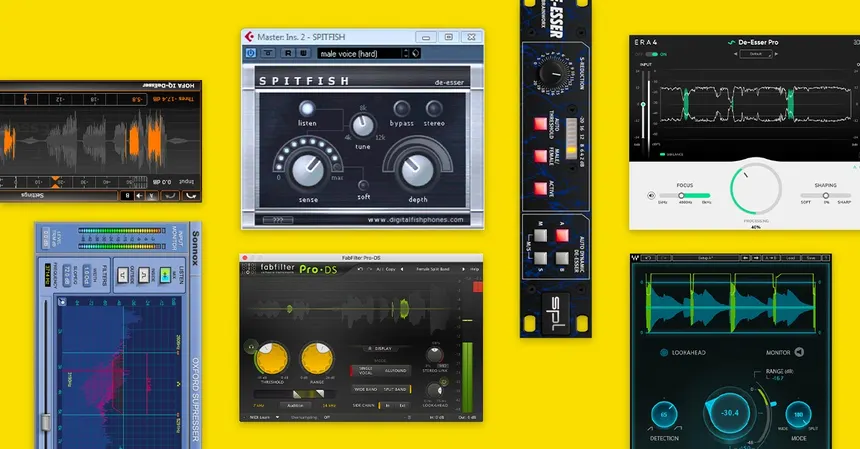
Begin with proper gain staging, ensuring vocals peak around -12dB to -6dB. Apply a high-pass filter around 80-100Hz to remove rumble. Use subtractive EQ to address problem frequencies, reducing 200-400Hz to minimize muddiness. Cut narrow resonant peaks around 1-3kHz that cause harshness. Apply subtle boosts: gentle high-shelf around 8kHz adds air, while broad boost around 3-5kHz increases intelligibility.
Apply compression with moderate ratio around 3:1 or 4:1, medium attack around 10-30ms, and medium-fast release around 50-100ms. Target 3-6dB of gain reduction on loudest passages. Follow with a second compressor using slower attack and faster ratios for peak control. This serial compression approach provides more transparent control.
Reverb places vocals in acoustic space. Rema Type Beat favors relatively short reverbs with 0.8-1.5 second decay times. Use plate reverb for bright, dense reflections. Set pre-delay between 20-50ms to prevent vocals from sounding distant. Use tempo-synced delays set to 1/4 note, dotted 1/8 note, or 1/8 note triplets. Mix delay subtly around 10-20% of dry signal volume.
Vocal doubles add thickness and presence. Record two or three additional takes, panning them slightly left and right around 30-50% from center. Harmonies sung at different pitches add musical interest. Process harmonies to sit behind the lead by reducing volume and applying more aggressive high-pass filtering. Subtle saturation adds warmth and harmonic richness, helping vocals cut through dense arrangements.
Rema Type Beat: Mixing and Arrangement Techniques
Professional mixing transforms individual elements into a cohesive, powerful Rema Type Beat that competes commercially with major label releases.
Every element must occupy its own frequency space. Use subtractive EQ liberally, cutting frequencies where instruments don’t contribute essential character. High-pass filter most instruments: guitars around 100-150Hz, synth pads around 200Hz, hi-hats around 300-500Hz. Create frequency pockets for important elements by cutting competing frequencies from less critical instruments. This approach allows every element to coexist without volume wars.
Strategic panning creates width and separation. Keep bass frequencies, kick drum, lead vocals, and snare centered. Pan supporting elements progressively wider: guitars and secondary synths 20-40%, hi-hats and shakers 40-60%, ambient effects 70-100%. Use LCR panning technique, positioning elements either center, hard left, or hard right for clearer separation.
Parallel processing provides control and character. Create a parallel compression bus for drums, compressing aggressively with ratios around 10:1, then blend with clean drums. This New York compression technique adds density while maintaining natural dynamics. Apply parallel saturation to melodic elements for harmonic richness without obvious distortion.
Static mixes sound flat regardless of element quality. Automate volume, panning, and effect sends throughout your track. During verses, keep elements relatively dry. Build into choruses by increasing reverb sends and widening stereo elements. Pull back during bridges, creating contrast that makes subsequent sections hit harder.
Most Rema Type Beat follow standard structure: Intro (4-8 bars), Verse 1 (8-16 bars), Pre-Chorus (4-8 bars), Chorus (8 bars), Verse 2 (8-16 bars), Pre-Chorus, Chorus, Bridge (4-8 bars), Final Chorus, Outro (4-8 bars). Modern streaming favors shorter intros, getting to the hook quickly.
Effective arrangements create tension through progressive addition of elements, then release by stripping back. Start verses with minimal instrumentation, adding layers progressively. Choruses represent the fullest, most energetic sections. Strip back significantly for verse 2, creating contrast. Use drum fills, reverse cymbal swells, or white noise builds at transitions. Strategic breakdowns before final choruses create dynamic contrast, making drops hit significantly harder.
Frequently Asked Questions
What makes a Rema Type Beat different from regular Afrobeats?
A Rema Type Beat distinguishes itself through fusion of traditional Afrobeat percussion with trap production techniques, moderate tempos between 100-115 BPM, and incorporation of Indian or Middle Eastern melodic influences. Unlike traditional Afrobeats with slower tempos around 95-105 BPM, Rema-style productions feature prominent 808 bass slides, trap hi-hat patterns, and more aggressive processing. The melodic approach emphasizes minor keys with emotional chord progressions, contrasting with major-key optimism common in traditional Afrobeats.
What tempo works best for Rema Type Beat?
The optimal tempo range falls between 105-110 BPM, though acceptable range extends from 100-115 BPM depending on track mood. This moderate tempo allows complex percussion patterns and rhythmic vocal delivery while maintaining enough energy for club play.
Romantic tracks work well around 102-108 BPM, while energetic beats benefit from 108-115 BPM. Apply subtle swing quantization between 8-15% to hi-hats and percussion for the laid-back groove characteristic of African music traditions.
How do I make my 808s sound like Rema’s tracks?
Achieving powerful 808s requires multi-faceted approach. Start with punchy samples that have both sub-bass and harmonic richness. Apply subtle saturation to generate overtones audible on smaller speakers. Use sidechain compression triggered by kicks to create rhythmic ducking. Program 808 slides strategically, gliding from root notes to chord tones with quick slide times.
Ensure 808s remain mono below 150Hz for maximum power. Layer sine wave sub-bass underneath for additional foundation. Carefully EQ competing midrange instruments, carving space around 80-250Hz where harmonic content sits.
Can I make Rema Type Beats with free software and plugins?
Absolutely. While premium tools offer workflow advantages, free alternatives produce professional results when used skillfully. DAWs like Reaper, Cakewalk, or GarageBand provide complete production environments at no cost. Vital offers powerful wavetable synthesis comparable to Serum. TDR Nova provides excellent dynamic EQ, while Valhalla Supermassive delivers professional reverbs. Source quality drum samples from free libraries on Splice’s free tier or WavMonopoly. The limitation lies not in tools but in production knowledge and creative application.
Conclusion: Mastering the Rema Type Beat Production Blueprint
Creating professional-quality Rema Type Beat productions requires mastering the intricate balance between African cultural authenticity and modern production sophistication. Throughout this comprehensive guide, we’ve explored the fundamental elements that define Rema’s signature Afro-fusion sound, from drum programming techniques and melodic construction to vocal processing and mixing strategies. These proven methods, when implemented consistently, transform generic Afrobeat attempts into compelling, commercially viable productions.
The evolution of Afro-fusion continues accelerating, with producers worldwide contributing innovations that expand the genre’s boundaries. By understanding Rema Type Beat DNA, you’ve gained access to techniques that dominate streaming platforms and influence global music culture. Remember that technical proficiency serves creative vision. The most successful Rema Type Beat combine flawless execution with unique artistic perspective.
Implementation separates knowledge from results. Begin applying these techniques immediately, starting with one element whether drum programming, melodic construction, or mixing approaches. Build your skills progressively, refining each component until it becomes second nature.
Study Rema Type Beat catalog actively, identifying specific production choices and understanding their purpose within each track’s context. Join producer communities, share your work for constructive feedback, and collaborate with other creators to accelerate your growth.
The Afro-fusion market presents unprecedented opportunities for producers who master this craft. As African music continues its global ascension, demand for quality Rema Type Beat will only intensify. Position yourself as the go-to producer in this space by consistently delivering exceptional work that balances cultural authenticity with commercial appeal.
Your journey to mastering Rema Type Beat production begins now. Take these explosive secrets, implement them with dedication and creativity, and transform your production career in 2026 and beyond.