
Your Guide to Dancehall Beats
Wanna make a beat that just makes people move? You’re talking about Dancehall! It’s a super energetic genre, and it’s all about that rhythm and groove. Artists like Popcaan and Shenseea run this sound, and if you get the drums right, you’re halfway there. It’s got that classic Caribbean vibe but with a sharp, modern edge, and nailing that unique bounce is everything.
This guide will walk you through the five simple steps to cooking up an authentic Dancehall type beat. Let’s dive in!
1. Nailing the Rhythm and Tempo of Dancehall Beats
Get That Bounce!
First things first, let’s nail that tempo. We’re keeping things snappy, usually around 90–110 BPM. This moderate tempo gives you that perfect, relaxed Caribbean bounce that still hits hard. The vibe is chill, but the groove is relentless!
The Dembow Secret of Dancehall Beats
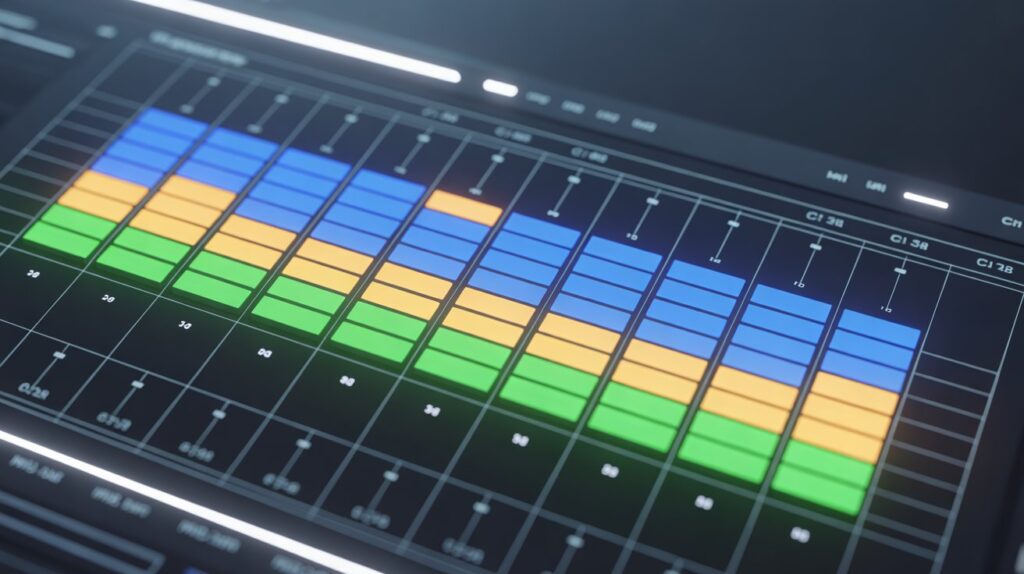
The true heart of Dancehall is the Dembow—it’s that signature rhythmic loop. You can’t skip this! You’ve got to get that kick drum hitting off the main beats, not just right on them. Think of it: the kick usually hits subtly between the main 1 and 2, and then again leading into the 4. That syncopated kick and snare pattern is the secret sauce that locks the whole track down. You gotta make sure that loop feels infectious so people can’t stop moving.
Pro Tip: Your snare should be tight and snappy, placed on the third beat, just like in Reggae. It’s the rhythmic anchor! Don’t use a huge, washy snare; it needs to be short and precise so it leaves maximum sonic room for the huge sub-bass.
2. Choosing Your Sound Palettes for Dancehall Beats
Bright Synths and Bells
Time for the melody! Dancehall melodies aren’t super complex with chords; it’s more about the feel and the sound selection. Grab a bright, sharp synth, a digital piano, or even a classic bell sound. That “digital sound” is key—we aren’t going for warm, fuzzy analog pads here. The sounds need to cut right through the mix with a clean, clear, and slightly aggressive tone. Keep the melody simple, repetitive, and super catchy—the kind of loop that just sticks in your head and keeps running.
The Power of Riddim
A good riddim (or instrumental) isn’t just one loop. It’s a whole instrumental package built around a core groove that defines the vibe. You need those few simple musical ideas (the bassline, the main synth hook, and the drums) to cycle through the whole track, keeping that energy and vibe consistent from start to finish. It’s what makes different songs feel like they belong together as one cohesive style!
3. Getting That Heavy Sub-Bass for Dancehall Beats
Now for the low end. Your sub-bass has to be huge, but also super clean. It’s gotta be felt more than heard, especially on big sound systems. You’re aiming for that deep, earth-shaking rumble, typically in the 40–80 Hz range. It needs punch, but absolutely zero distortion or mud. A clean sine wave or sustained 808 is the best tool here.
- Tuning is Everything: Seriously, use a tuner! Make sure your bass notes perfectly follow the root notes of your main melody. If the bass is off-key, the whole track is gonna sound muddy and amateur, and no one wants that.
- Keep it Simple: The bassline usually follows the rhythm of the kick drum or plays simple, long notes. Less is definitely more when dealing with the sub. Let it do its job supporting the foundation without jumping around too much.
4. Layering the Percussion and FX
Now we build the Dancehall Beats energy!
Percussion
Add a few extra percussion elements to enhance the groove. Think shakers, wood blocks, or sharp hi-hats. Make sure they are panned wide (left and right) to give the beat a huge soundstage, making the whole track feel massive and professional. These small details really make the difference!
Vocals and Siren Effects
You can’t forget the hype! Dancehall Beats love those classic sound effects that pull the listener in. Try adding siren loops, air horns, or aggressive vocal chops (short, processed snippets of a voice). You gotta make these effects huge! Use lots of reverb and delay to make them echo in the mix and fill up that stereo space. A classic trick is reversing the vocal chop before the drop—it creates instant energy!
5. Mixing and Arrangement
The Arrangement
When you’re arranging the beat, think about a live performance. Use a classic structure: Intro, Verse, Chorus, Bridge. Pull back some drums or remove the sub-bass in the verse to leave room for the artist, and then bring everything back for the energetic chorus! Add drops and simple build-ups using white noise sweeps to signal the transitions.
Final Polish
The mix needs to be loud, clear, and punchy. You really want that Dancehall Beats clarity! Make sure your kick drum and sub-bass are working together and not clashing—this is where sidechaining or simple EQ’ing is your friend. Use a good limiter on your master track to get that clean, aggressive loudness that Dancehall demands, but watch those meters so you don’t clip! A loud, clean mix is key to sounding pro.
Conclusion: Time to Drop the Heat!
Seriously, that’s all there is to it! Making a great Dancehall Beats comes down to nailing the Dembow rhythm, making sure your synths are bright and your bass is clean, and keeping the whole track loud and clear. Now that you’ve got the roadmap, go load up your DAW, try out these simple steps, and get that riddim cooking!
Ready to try these tools? Download our exclusive Dancehall Beats Sample Pack for the perfect drums and MIDI files to start making amazing beats right now!
FAQ: Quick Dancehall Beats
Q1: What’s the main beat?
A: It’s the Dembow rhythm! You need that syncopated kick and snare pattern to make the beat feel authentic and infectious.
Q2: What instruments are best?
A: Stick to sharp, digital synths, bright bells, and a huge, sustained, clean sub-bass that sits in the 40–80 Hz range.
Q3: How do I make the track sound loud?
A: You need excellent volume balance (mixing), ensuring every element has its own space. Then, use a quality limiter on the master channel to boost the final loudness without distortion.
Q4: Why is the bass so important?
A: The bass is the foundation. It provides the low-end warmth, harmonic stability, and the physical feel of the genre, especially when played on powerful sound systems.