

Every music producer faces the same frustrating challenge: transforming creative ideas into finished tracks while battling time constraints, theory limitations, and creative blocks. MIDI Kits have emerged as the ultimate solution, revolutionizing how producers create music in 2026. These powerful collections of pre-made musical data provide instant access to professional melodies, chord progressions, and basslines that accelerate workflows while expanding creative possibilities.
The music production landscape has transformed dramatically. With streaming platforms demanding constant content and social media requiring regular releases, producers need every advantage to stay competitive. MIDI Kits address this pressure by providing building blocks that slash production time without sacrificing quality or originality. Unlike audio samples that lock you into fixed sounds, MIDI files offer complete flexibility, allowing customization of every note, velocity, and timing detail.
This comprehensive guide reveals seven powerful reasons why MIDI Kits have become essential tools for producers in 2026. From workflow acceleration to theory education, genre experimentation to collaboration enhancement, you’ll discover how these versatile resources transform production processes. Whether you’re a bedroom producer building your first tracks or an established professional seeking efficiency gains, understanding MIDI Kits’ strategic advantages positions you ahead of competitors still producing everything from scratch.
Create Professional Melodies Without Music Theory Expertise
One of the most powerful advantages of MIDI Kits is their ability to bridge the gap between musical ambition and theory knowledge. Many talented producers struggle with chord progressions, scale relationships, and harmonic movement despite having excellent sound design and arrangement skills. MIDI Kits eliminate this barrier by providing professionally crafted melodies and progressions that demonstrate proper theory application in real-world contexts.
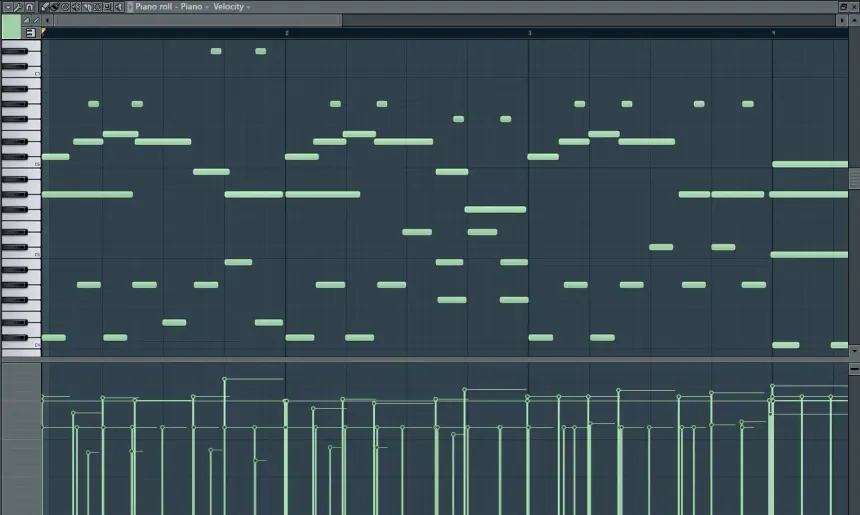
When you load a professional MIDI progression, you’re not just getting notes but a practical music theory lesson. Open the MIDI file in your piano roll and analyze the structure. Notice how chord tones resolve, how tension builds through suspended chords, or how borrowed chords from parallel keys create emotional interest. This hands-on analysis teaches theory more effectively than abstract textbook study because you see principles applied in musical contexts that actually work.
Quality MIDI Kits include progressions in various keys, allowing you to transpose them to match your project while maintaining harmonic relationships. This flexibility teaches you how progressions function regardless of starting pitch. Many producers discover that after using MIDI Kits for several months, they’ve absorbed enough theory through osmosis to begin creating original progressions. The MIDI files serve as training wheels that gradually build confidence and competence.
The educational value extends beyond basic harmony. Advanced MIDI Kits demonstrate sophisticated techniques like modal interchange, chromatic mediants, and voice leading principles. By studying these patterns and experimenting with variations, you develop intuitive understanding of what makes melodies memorable and progressions emotionally impactful. For producers serious about developing their skills, exploring comprehensive music theory fundamentals accelerates this learning process while MIDI Kits provide practical application opportunities.
Accelerate Your Production Workflow Dramatically
Time remains the most precious resource for any producer. Between client deadlines, content schedules, and personal projects, efficiency determines output volume and career trajectory. MIDI Kits dramatically accelerate production workflows by eliminating the most time-consuming aspects of track creation: the initial melodic and harmonic foundation.
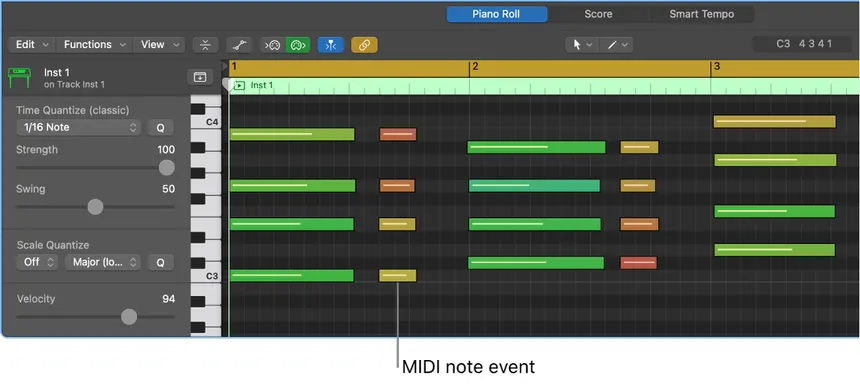
According to production workflow research from industry professionals, the average producer spends 40-60% of their production time on melodic and harmonic elements before even addressing sound design, arrangement, or mixing. MIDI Kits compress this foundation-building phase from hours to minutes. Instead of staring at a blank piano roll wondering where to start, you can audition dozens of professional progressions, select one that matches your vision, and immediately begin sound design and arrangement.
This acceleration doesn’t mean sacrificing originality. The time saved on foundation work gets redirected toward customization, sound selection, and arrangement details that define your unique sound. Professional producers understand that creativity isn’t about reinventing every wheel but rather knowing which elements to build from scratch and which to source efficiently. MIDI Kits handle the structural heavy lifting, freeing your creative energy for the decisions that truly matter.
The compound effect of this efficiency gain proves substantial over time. If MIDI Kits save you three hours per track and you produce two tracks weekly, that’s 312 hours annually, equivalent to nearly eight full work weeks. This recovered time can be invested in mixing skills development, marketing efforts, client relationship building, or simply producing more music. For producers seeking to optimize your production workflow systematically, integrating MIDI resources represents one of the highest-ROI investments available.
The workflow benefits extend beyond initial creation into revision and iteration processes. When clients request changes to melodic elements, having MIDI data means instant adjustments rather than re-recording or time-stretching audio. Transpose entire progressions with one click, adjust timing with surgical precision, or experiment with different harmonic variations without quality degradation. This flexibility transforms revision from frustrating rework into creative exploration.
Experiment Across Multiple Genres Effortlessly
Genre versatility separates hobbyists from professional producers who can pivot between styles as market demands shift. MIDI Kits remove the technical barriers that prevent genre experimentation by providing authentic melodic patterns and progressions characteristic of specific styles. Whether you’re a trap producer curious about house music or an EDM specialist wanting to explore Afrobeat, MIDI Kits offer low-risk entry points into unfamiliar territory.
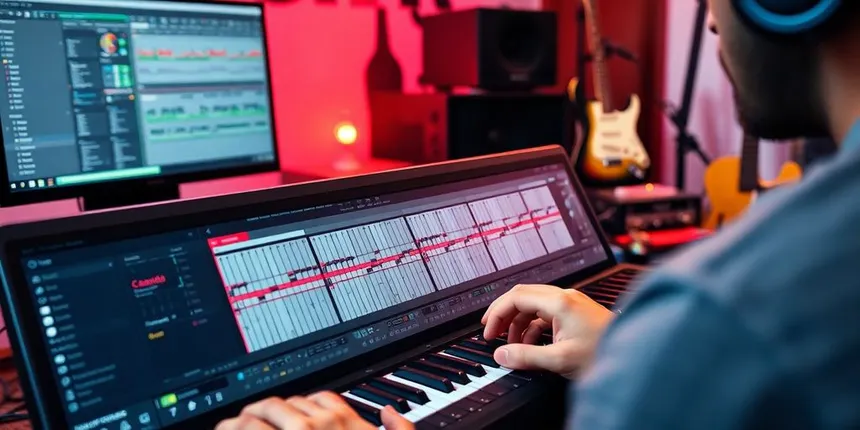
Each genre possesses melodic signatures that define its sound. Trap music favors minor keys with simple, repetitive melodic phrases. House music emphasizes four-on-the-floor compatible progressions with rhythmic stabs. Afrobeat incorporates specific scale patterns and call-response melodic structures. Learning these nuances through trial and error takes months or years, but studying quality genre-specific MIDI Kits compresses this education into days.
The strategic advantage of genre versatility cannot be overstated in 2026’s rapidly evolving music landscape. Trending sounds emerge and fade within months, and producers who can quickly adapt capture opportunities while specialists struggle to pivot. MIDI Kits function as genre guidebooks, teaching you the melodic vocabulary needed to create authentic-sounding productions across styles. After producing several tracks using genre-specific MIDI as reference, you’ll have absorbed enough stylistic knowledge to create original material in that genre.
Cross-genre experimentation also sparks creativity by introducing you to melodic approaches you’d never discover staying within your comfort zone. Load a Brazilian funk MIDI progression into your trap beat, or apply techno’s hypnotic repetition to an R&B track.
These unexpected combinations often yield the most innovative results, creating unique sounds that help you stand out in oversaturated markets. For producers interested in pushing stylistic boundaries, exploring genre-bending production techniques provides strategic frameworks while MIDI Kits supply genre-authentic building blocks.
Finish More Tracks and Beat Creative Blocks
Creative blocks plague every producer, transforming the joy of music-making into frustrating stagnation. That moment when you’re staring at your DAW with a great drum pattern and bassline but cannot find a melody that works feels universally familiar. MIDI Kits serve as creative catalysts that break through blocks by providing starting points that spark inspiration rather than leaving you paralyzed by infinite possibilities.
Psychology research demonstrates that constraint enhances creativity rather than limiting it. When facing a blank canvas with unlimited options, decision paralysis often results. However, when presented with a framework to work within or against, creative solutions emerge more readily. MIDI Kits provide exactly this type of productive constraint. Rather than choosing from infinite possible melodies, you’re reacting to, modifying, or building around an existing idea, which paradoxically unlocks creative flow.
The process of finishing tracks improves dramatically when you remove the hardest bottleneck. Many producers accumulate dozens of unfinished projects because they cannot solve the melodic puzzle that would tie everything together. With MIDI Kits, you can audition potential solutions quickly, finding one that fits or combining elements from multiple files. This momentum transforms frustrating dead ends into completed productions that build your portfolio and skills.
Additionally, MIDI Kits teach you to embrace iteration over perfection. Instead of obsessing over creating the perfect original melody from scratch, you learn to start with something functional, customize it, and move forward. This mindset shift proves invaluable for professional producers who must deliver consistent results under deadline pressure. The tracks you finish teach you far more than the projects abandoned in perfectionist paralysis. For comprehensive strategies on completing more productions successfully, combining MIDI resources with structured finishing frameworks creates unstoppable creative momentum.
Collaborate and Share Ideas Universally
Modern music production increasingly involves remote collaboration between producers, songwriters, and artists across different cities, countries, and continents. MIDI Kits and MIDI files generally facilitate this collaboration better than any other musical format due to their universal compatibility and tiny file sizes. Unlike audio stems that require matching sample rates, bit depths, and compatibility considerations, MIDI files open in any DAW on any platform, making them the ideal format for sharing musical ideas.

When collaborating on projects, sending MIDI data allows your collaborator complete freedom to interpret ideas using their sound palette. You might create a chord progression using your favorite piano VST, while your collaborator applies those same chords to a synthesizer or guitar plugin. This flexibility prevents the common collaboration problem where one person’s sound choices don’t fit the other person’s vision. MIDI provides the musical skeleton that each collaborator fleshes out with their unique sonic signature.
The small file size of MIDI data also solves practical technical problems. A full song’s worth of MIDI data rarely exceeds a few hundred kilobytes, easily shared via email, messaging apps, or cloud storage without bandwidth concerns. Compare this to audio stems that can total gigabytes per project, requiring dedicated file transfer services and significant upload/download time. This efficiency keeps creative momentum flowing rather than waiting for large file transfers.
MIDI’s universal standard also means longevity and compatibility across software updates and platform changes. A MIDI file created in 1990 opens perfectly in 2026 software, and files created today will function identically decades from now. This permanence makes MIDI ideal for archiving musical ideas, building reusable libraries, and maintaining access to collaborative projects long-term regardless of technology changes around them.
Customize and Edit with Complete Flexibility
Unlike audio samples that lock you into fixed performances, MIDI Kits provide raw musical data that you can reshape infinitely without quality degradation. This flexibility represents MIDI’s most transformative characteristic, turning pre-made content into personalized building blocks that bear your unique creative signature.
Every aspect of MIDI data remains editable: note pitches, rhythmic placement, velocities, durations, and more. Load a MIDI progression and immediately transpose it to any key with one command, maintaining all harmonic relationships. Adjust the rhythm by quantizing to different grid divisions or adding swing for groove. Change individual note velocities to alter phrasing and dynamics. Remove notes to simplify progressions or add notes to increase complexity. This granular control means MIDI files serve as creative starting points rather than finished products.
The ability to assign MIDI data to any sound source multiplies creative possibilities exponentially. Take a single MIDI melody and audition it through dozens of different instruments, synthesizers, and samplers. That same progression sounds completely different as a piano, an analog synth lead, a marimba, or a vocal chop. This rapid sound exploration would be impossible with audio samples, but MIDI makes it instantaneous. You’re essentially getting infinite variations from each MIDI file based on your sound design choices.
Advanced producers exploit MIDI’s flexibility to create variations and arrangements efficiently. Copy your main melody, transpose it up an octave, and assign it to a different sound for harmonic layering. Create call-and-response patterns by duplicating phrases and editing them slightly. Build complex arrangements by triggering MIDI patterns at different points with different sounds, creating cohesive productions from limited source material. This efficiency enables the prolific output that professional production demands.
The customization extends to correcting or improving MIDI Kit content when needed. If a progression almost works but one chord feels wrong, change it. If the rhythm doesn’t quite groove, adjust the timing. If the velocity programming feels mechanical, add dynamic variation. You’re never stuck with someone else’s creative decisions but rather use them as suggestions to accept, modify, or reject according to your vision.
Future-Proof Your Production Arsenal
Investment decisions in music production should consider longevity and compatibility across platforms and timeframes. MIDI Kits represent one of the most future-proof purchases available because MIDI itself is an open, universal standard that has remained compatible for over four decades and will continue functioning indefinitely.
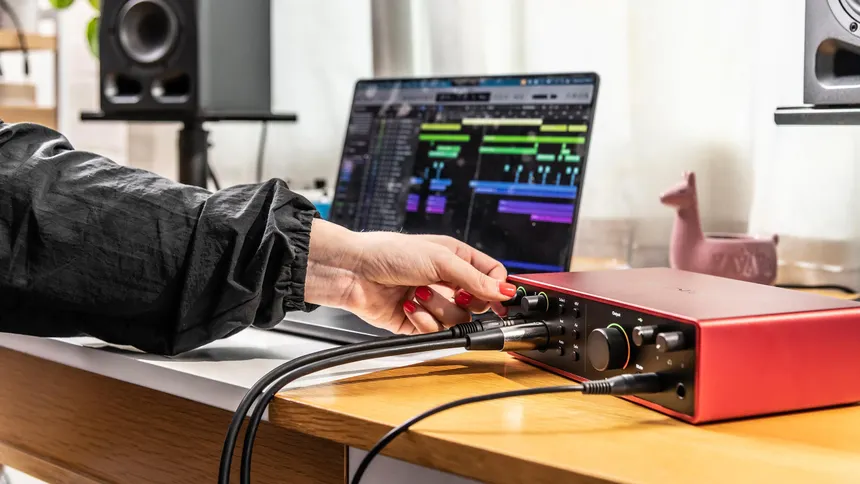
According to MIDI technical specifications established by the MIDI Manufacturers Association, the format was designed for universal compatibility and longevity. Unlike proprietary audio formats that become obsolete as companies change ownership or discontinue products, MIDI files work across all major DAWs including Ableton Live, FL Studio, Logic Pro, Pro Tools, Cubase, Studio One, and countless others. This cross-platform compatibility means you’ll never lose access to your MIDI library regardless of software changes, computer upgrades, or platform switches.
The investment value becomes clear when comparing MIDI Kits to other production purchases. Sample packs featuring specific sounds or processing might become dated as sonic trends evolve. Plugins can become incompatible with operating system updates or require expensive upgrades. Hardware synthesizers represent significant financial commitments with physical depreciation. However, MIDI data remains eternally useful and compatible, making quality MIDI Kits some of the best value-per-dollar investments in production resources.
As AI and machine learning increasingly influence music production in 2026 and beyond, MIDI’s structured data format positions it perfectly for integration with emerging technologies. AI melody generators, harmonic analyzers, and arrangement assistants all work with MIDI data as their input and output format. Building a substantial MIDI library now prepares you to leverage these future tools effectively, feeding them quality training data and manipulating their outputs with proven musical structures.
The educational investment also compounds over time. Every hour spent analyzing, customizing, and learning from quality MIDI Kits builds musical knowledge that transfers across genres, software, and career stages. Unlike gear that becomes obsolete or trends that fade, understanding harmony, melody, and rhythm remains valuable forever. MIDI Kits serve as permanent reference libraries that continue teaching long after purchase, making them investments in skills rather than just tools.
Learn Industry-Standard Production Techniques
Professional producers distinguish themselves not just through creativity but through technical competence and awareness of industry-standard practices. MIDI Kits created by established producers provide insight into professional-level decisions regarding voice leading, harmonic rhythm, melodic contour, and rhythmic placement that separate amateur from commercial-quality productions.
Quality MIDI Kits reveal how professionals structure chord progressions for maximum emotional impact. Notice how they time chord changes relative to rhythmic elements, creating harmonic rhythm that drives momentum. Observe their voice leading choices, moving between chords using the smoothest possible motion to create fluid, connected progressions. Study their melodic writing, noting how they balance repetition with variation, predictability with surprise, and how they use rhythm to create memorable hooks.
The velocity programming in professional MIDI files also teaches crucial lessons about dynamics and phrasing. Rather than uniform velocity values creating mechanical performances, professional MIDI demonstrates natural dynamic variation that brings sequences to life. Louder velocities emphasize important notes while softer values provide rhythmic support. This attention to velocity detail separates robotic MIDI programming from sequences that sound musical and expressive.
Studying professional MIDI construction accelerates skill development more efficiently than trial-and-error experimentation alone. You’re essentially receiving mentorship from successful producers who’ve invested years perfecting their craft. Each MIDI file represents condensed knowledge that would take months to develop independently. By analyzing, deconstructing, and reconstructing these patterns, you absorb professional techniques that immediately elevate your production quality.
The technical standards evident in quality MIDI Kits also teach proper file organization, naming conventions, and documentation practices. Professional MIDI libraries include clearly labeled files organized by key, BPM, and mood, demonstrating organizational systems that scale as your production volume increases. These seemingly minor details significantly impact workflow efficiency and professional presentation when delivering stems to clients or collaborators.
Frequently Asked Questions About MIDI Kits
Are MIDI Kits cheating or stealing creativity?
MIDI Kits are not cheating but rather professional tools that enhance creativity and efficiency. This concern stems from misunderstanding what constitutes musical creativity. Originality doesn’t require reinventing every element from scratch. Professional producers regularly use samples, loops, presets, and MIDI files as building blocks, focusing their creative energy on arrangement, sound design, mixing, and the unique combinations that define their signature.
Using MIDI Kits is comparable to painters using pre-mixed colors rather than grinding their own pigments, it’s a practical choice that allows focus on what matters most. The extensive customization possible with MIDI data means your final result sounds completely different from anyone else using the same files.
What is the difference between MIDI Kits and audio sample packs?
MIDI Kits contain musical data (note information, timing, velocity) rather than actual audio. This fundamental difference provides crucial advantages. MIDI files remain completely editable, allowing you to change any note, rhythm, or velocity without quality loss. You can transpose MIDI to any key instantly while maintaining harmonic relationships.
Most importantly, MIDI lets you choose which sounds play the patterns by loading any instrument or synthesizer you want. Audio samples lock you into fixed sounds and pitches with limited editing flexibility. However, audio samples provide instant sonic results without requiring sound selection. Many producers use both, applying MIDI for flexible melodic foundations and audio samples for specific sounds or textures.
Can beginners benefit from MIDI Kits or are they only for professionals?
Beginners potentially benefit from MIDI Kits even more than professionals. Without extensive music theory knowledge, beginners struggle creating progressions that sound professional and emotionally effective. MIDI Kits provide working examples that demonstrate proper harmony and melody construction, serving as interactive learning tools.
By loading MIDI files and analyzing their structure, beginners accelerate their education dramatically compared to trial-and-error alone. The ability to finish complete tracks early in their journey, rather than abandoning projects due to theory limitations, builds confidence and momentum essential for skill development. However, beginners should view MIDI Kits as educational resources and starting points rather than replacements for developing original composition skills over time.
How do I avoid making tracks that sound like everyone else using the same MIDI Kits?
Avoiding generic-sounding productions when using MIDI Kits requires strategic customization and sound design focus. First, always modify MIDI patterns rather than using them unchanged. Transpose to different keys, adjust rhythms, add or remove notes, combine elements from multiple MIDI files. Second, your sound selection defines uniqueness more than melodic patterns. The same MIDI progression sounds completely different through a piano versus a synthesizer versus a guitar.
Invest time in sound design and choosing distinctive timbres. Third, layer multiple MIDI sources to create complex arrangements that transcend any single file. Finally, remember that arrangement, mixing, and production decisions contribute more to track identity than underlying progressions. Two producers using identical MIDI will create completely different results based on their unique creative choices in all other production aspects.
Are MIDI Kits compatible with all music production software?
Yes, MIDI Kits work with all major digital audio workstations and most music production software. MIDI is an open universal standard supported across the industry, meaning files created in one program open perfectly in any other MIDI-compatible software. Whether you use Ableton Live, FL Studio, Logic Pro, Pro Tools, Cubase, Studio One, Reaper, GarageBand, or any other DAW, standard MIDI files will import without issues.
Some manufacturers create proprietary MIDI formats with additional features specific to their software, but standard MIDI files remain universally compatible. When purchasing MIDI Kits, verify they’re provided in standard MIDI format rather than proprietary formats to ensure maximum compatibility. The universal nature of MIDI means your library remains accessible regardless of software changes, computer upgrades, or platform switches throughout your production career.
Where can I find high-quality MIDI Kits for my productions?
High-quality MIDI Kits are available from numerous reputable sources. Leading MIDI marketplace platforms like Splice, LANDR Samples, and Loopmasters offer extensive libraries across all genres with quality control and licensing clarity. Many established sample pack companies including Vengeance, Function Loops, and Production Master include MIDI files in their products. Individual producers and companies often sell MIDI packs through their websites, providing genre-specific or style-specific collections.
Platforms like WavSupply feature curated MIDI kits from respected producers. When selecting MIDI sources, prioritize vendors with clear licensing terms, positive user reviews, and preview capabilities. Some producers offer free MIDI packs as introductions to their premium libraries, providing risk-free ways to evaluate quality before purchasing. Building relationships with specific producers whose musical style aligns with yours often yields the most usable and inspiring MIDI content for your productions.
Conclusion: Embracing MIDI Kits for Production Excellence in 2026
MIDI Kits have evolved from niche tools to essential resources that define efficient, professional music production in 2026. The seven powerful reasons explored throughout this guide demonstrate how MIDI fundamentally transforms production workflows, creative capabilities, and educational trajectories for producers at every skill level. From eliminating theory barriers to accelerating workflows, enabling genre experimentation to facilitating collaboration, MIDI Kits address the core challenges that previously separated aspiring producers from professional results.
The strategic advantage of integrating MIDI resources into your production process cannot be overstated. In an increasingly competitive music landscape where content volume, consistency, and quality all matter simultaneously, producers need every efficiency gain available. MIDI Kits provide exactly this advantage, compressing timeline-consuming tasks into minutes while expanding creative possibilities rather than limiting them. The customization flexibility ensures your productions maintain unique character while benefiting from professional structural foundations.
Understanding that MIDI Kits represent tools rather than shortcuts proves essential for maximizing their value. The most successful producers view MIDI files as educational resources, creative catalysts, and efficiency multipliers rather than complete solutions. They invest time analyzing patterns, experimenting with modifications, and applying learned principles to original compositions. This balanced approach builds skills while capturing immediate productivity benefits, creating sustainable improvement rather than dependency.
The future of music production increasingly favors producers who embrace intelligent tool usage, combining human creativity with technology-enabled efficiency. MIDI Kits perfectly embody this balance, providing structured musical data that humans customize, personalize, and transform into unique artistic expressions. As AI and machine learning continue evolving, MIDI’s structured format positions it as the interface between human creativity and algorithmic assistance, making MIDI literacy more valuable than ever.
Your journey toward production excellence accelerates dramatically when you integrate quality MIDI resources strategically. Start by acquiring MIDI Kits in genres you already produce, using them to analyze professional techniques while building your library. Gradually expand into unfamiliar styles, using MIDI as your guide into new creative territories. Most importantly, maintain the balance between utilizing resources efficiently and developing original composition skills that define your unique artistic voice. The producers who master this balance dominate the 2026 music landscape and beyond.