
Afrobeat Drum Kits
The difference between a generic instrumental and an authentic, infectious hit often comes down to one thing: the drums. For genres like Afrobeat, the drum kit isn’t just a collection of sounds; it’s the core rhythmic language of the track. If you’re struggling to achieve the same magnetic, poly-rhythmic groove as artists like Burna Boy, Wizkid, and Rema, the problem isn’t your talent—it’s your sample library.
Afrobeat Drum Kits are the secret weapon to unlocking the genre’s distinct sound. Using standard Trap or Hip-Hop kits will instantly strip away the unique rhythmic soul that listeners crave. You need specialized, high-quality samples of talking drums, Gangan drums, and expertly-layered shakers, all perfectly tuned to sit in a complex, yet effortless groove.
This comprehensive guide breaks down the exact 10 essential types of Afrobeat Drum Kits you must have in your arsenal in 2025. We will cover the foundation, the tonal elements, and the mixing tools necessary to achieve revolutionary Afrobeat production results.
1. Why Your Drum Library Needs Dedicated Afrobeat Drum Kits
The contemporary sound of Afrobeats, often referred to globally as Afrobeat, is the most dominant cultural export in modern music. It has captured global attention, blending West African rhythms with elements of R&B, dancehall, and pop.
The Core Challenge of Afrobeat Production
The central challenge for producers is achieving the distinct rhythmic complexity (distinct rhythmic complexity) that defines the genre. This is not achieved through simple 4/4 loops. Instead, Afrobeat relies on intricate polyrhythms: multiple, interlocking rhythmic layers played simultaneously.
If your kick sounds too fat or your shakers sound too mechanical, the complex rhythm collapses. Dedicated Afrobeat Drum Kits provide samples that are intentionally recorded and processed to layer cleanly, ensuring every part of the rhythmic puzzle fits perfectly. This foundation is non-negotiable for serious Afrobeat production.
From Fela Kuti to Burna Boy: The Evolution of the Sound
While the original Afrobeat pioneered by Fela Kuti was a blend of jazz, highlife, and traditional Yoruba rhythms, the modern Afrobeats sound—popularized by artists like Burna Boy—has adopted crisp, electronic kicks and sub-bass while retaining the traditional, driving percussive layers (evolution of Afrobeat from Afrobeats) (Source: Music History Research). The modern producer needs kits that bridge this gap: organic, tonal percussion combined with punchy, digital low-end.
The Rhythmic Complexity: Understanding Poly-Rhythms
Understanding the 2:3 clave or the typical 3-3-2 timing is essential for laying down a proper beat. In this style, the kick and bassline often operate in one time signature while the shakers and percussive accents float subtly in another. This contrast creates the magnetic, hypnotic bounce that distinguishes Afrobeat Drum Kits from standard pop loops. Mastering these layers demands specialized samples that are short, sharp, and easy to pan.
2. The Rhythmic Foundation: Essential Afrobeat Percussion Types
To achieve authenticity, a producer must source samples that replicate real-world African instruments.
Gangan and Talking Drum: The Tonal Element
The Gangan (a small, tension-controlled talking drum) and similar Talking Drum VSTs are mandatory. These instruments are not just rhythmic; they are melodic. Their ability to change pitch mid-hit adds a human, conversational texture to the groove. Your Afrobeat Drum Kits must contain dry, well-recorded samples of these, allowing you to tune them and sequence them to complement your melody, not just your rhythm. If the kit doesn’t offer pitch variation on these samples, it’s not truly authentic.
The Critical Role of Shaker and Cabasa Loops
While the kick provides power, the shakers provide the pulse. Afrobeat relies on complex, sustained shaker and Cabasa loops that weave through the gaps left by the kicks and claps. You need both single hits for creating your own patterns and pre-layered loops. Crucially, these loops should be offered in various speeds or stems, allowing for subtle variations in velocity and timing to create that natural, slightly imperfect human feel. This attention to detail separates true Afrobeat Drum Kits from generic percussion packs.
The Unique Kick and Clap Requirements
The kick drum in Afrobeat needs to be punchy in the mid-high range (around 100-200 Hz) but should have less of the sustained sub-bass tail common in Trap. The sub-bass is often handled by a separate element.
The clap must be sharp, with a fast decay and minimal pre-delay, often placed on the two and four counts, but also frequently doubled or tripled with a quick offset to push the rhythm forward. When auditing your Afrobeat Drum Kits, prioritize samples with high mid-range clarity over sheer low-end weight for the kicks.
3. Top 10 Essential Afrobeat Drum Kits for Producers (Kits 1-3)
Building an essential sample library requires strategic investment, prioritizing quality over quantity. The best kits are often collections specializing in one aspect of the genre.
Kit 1: The Clean Starter Pack (The Versatility Kit)
A good starter kit must be clean, dry, and balanced. This pack should contain 100+ dry (unprocessed) one-shots, including at least 20 different Gangan, shaker, and rimshot variations. These samples serve as your foundation, allowing you to apply your own processing. Look for kits that clearly label their one-shots by rhythmic function (e.g., “Kick 1 Clave-Ready,” “Shaker High-Pass”).
Kit 2: The Vintage Lo-Fi Texture Kit (For Authentic Vibe)
Authentic Afrobeat often carries a subtle analog warmth or tape saturation. A dedicated Lo-Fi texture kit introduces elements like vinyl crackle, tape hiss, and slightly saturated kicks. Using these layered subtly can instantly give your tracks that authentic, slightly vintage feel. This kit is less about the drum hits themselves and more about the atmospheric fillers and transitional noise elements.
Kit 3: The Tonal Percussion Specialist (Gangan Focus)
This specialist kit is purely focused on the tonal drums. It should include multiple velocity layers and short melodic phrases from instruments like the Gangan drum samples, marimbas, and xylophones. The samples must be organized chromatically (by musical key) to allow easy drag-and-drop into a sampler. This is crucial for adding melodic counterpoint to your bassline without complex sound design.
4. Essential Kits 4-6: Grooves, Ad-Libs, and Melodies
To move beyond the foundation, you need kits that address the non-percussive elements that complement the rhythm section.
Kit 4: The Afro-Fusion Melody Kit (Chord Stabs and Synths)
Modern Afrobeat often utilizes bright, digital synth pads, simple pluck sequences, and memorable Afro-Fusion chord stabs. This kit should contain one-shot chords (major 7th, minor 9th) that can be dropped directly into the arrangement, along with simple, pre-sequenced synth melodies in MIDI format. Using the MIDI allows you to quickly change the VST used, but keeps the rhythmic and melodic structure intact.
Kit 5: Vocal Chop & Ad-Lib Bank (The Hype Elements)
A distinctive element of the genre is the use of atmospheric and conversational vocal elements. This kit must contain dry vocal phrases, chants, and short, melodic vocal chops. These are essential for creating build-ups, answering melodic lines, and providing the conversational energy that pushes the track forward. These should be clean and recorded professionally, ready to be processed with effects.
Kit 6: The FX and Transition Toolkit (Build-Ups and Drops)
Afrobeat production often features smooth, unexpected transitions. This kit focuses purely on ear candy: risers, downlifters, short reverse crashes, noise sweeps, and metallic impacts. These elements, when placed strategically, help manage the track’s energy, ensuring the complex rhythms never feel overwhelming and that the listener remains engaged across the arrangement.
5. Advanced Kits 7-10: Mastering the Low-End and Mix
Once you have the rhythmic and melodic samples, you need tools to ensure the low-end is solid and the groove is locked in.
Kit 7: The Clean Sub-Bass and 808 Support (Tuned for Afrobeat)
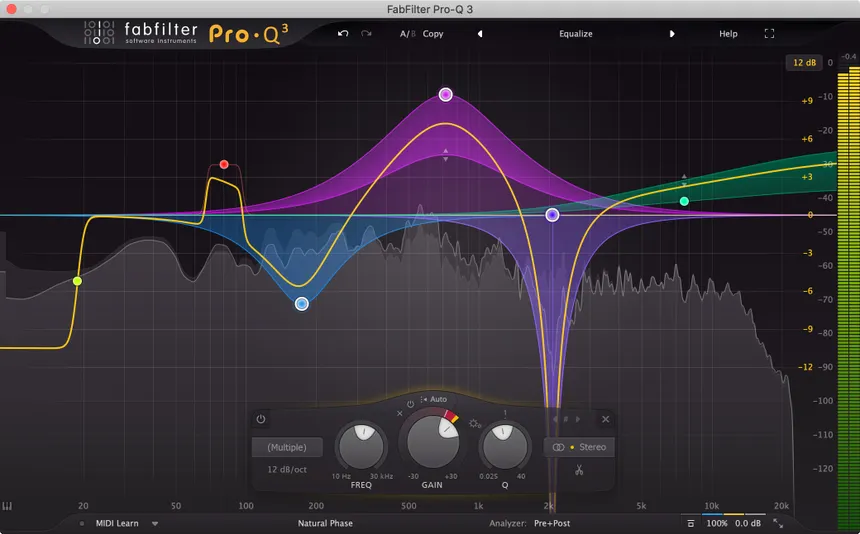
While the Log Drum handles tonal bass, you still need a clean, sub-sonic element to anchor the track’s low-end. This kit specializes in pre-tuned, clean 808 and sine wave samples specifically tailored to the sub-bass frequencies (30–60 Hz). These are designed to be short enough not to muddy the complex mid-range percussion but sustained enough to add weight. The best Afrobeat Drum Kits in this category will label samples by key and include frequency charts to visualize the ideal cutoff.
Kit 8: Drum Fills and Rolls Specialist (For Signature Breaks)
Afrobeat tracks are punctuated by signature rhythmic breaks and drum fills. This kit provides complex, pre-programmed fills using traditional percussion (bongos, congas) and short snare rolls. Using these saves countless hours of manual programming and instantly injects professional-level rhythmic complexity into your arrangement, acting as the perfect counterpoint to the main Afrobeat rhythm patterns.
Kit 9: MIDI Groove Templates (Instant Rhythmic Accuracy)
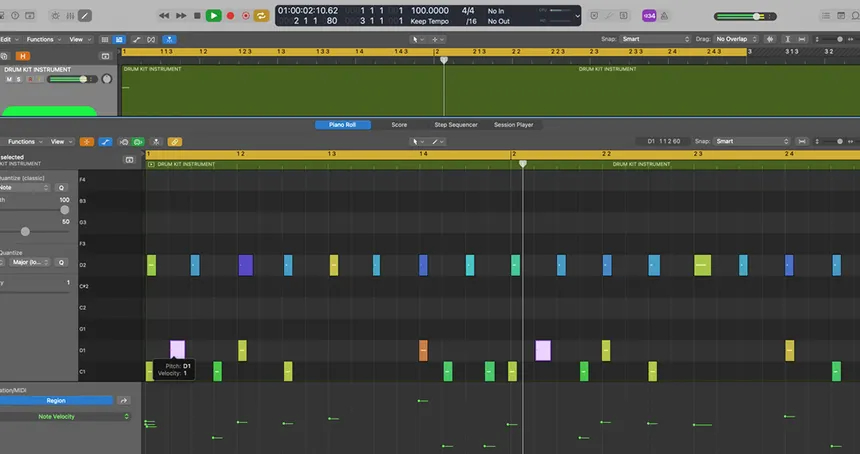
This is a massive time-saver. Rather than audio, this kit provides MIDI patterns for shakers, hi-hats, and percussion in the native 3:2 and 6:8 timings. You can simply drag these grooves onto any sampler. This instantly gives you the rhythmic accuracy required for authentic Afrobeat production without needing an advanced guide to poly-rhythm. This is a high-priority investment for workflow speed.
Kit 10: The Saturation & Processing Starter (Texturizing your Afrobeat Drum Kits)
This kit doesn’t contain drums, but processing chains. It includes sampler instruments, pre-loaded with saturation, compression, and transient shaping optimized for the specific frequency response of West African drums. Using this kit helps you achieve that final, professional loudness and texture without over-compressing or distorting the delicate percussion, ensuring your Afrobeat Drum Kits sound crisp and radio-ready.
6. Technical Deep Dive: Sampling, Tuning, and Layering
Even with the best Afrobeat Drum Kits, proper programming is essential. The depth of the genre lies in how the sounds interact.
Layering Shakers for Poly-Rhythms (Achieving Density)
To create the illusion of density, you must layer shakers. Start with a straight 1/8th or 1/16th shaker pattern, then layer a second shaker on a separate track using a slightly off-grid, triplet-based groove. Adjust the velocity of the second track and pan it to the opposite side of the first. This technique, paired with an advanced guide to poly-rhythm, is how professional producers make the rhythm float.
Tuning Tonal Percussion (Gangan and Kicks)
Because instruments like the Gangan and Talking Drum VST are melodic, you must tune them. Pitch the Gangan’s root note to match the key of your track’s bassline. Even the kick drum benefits from tuning. Find the fundamental frequency of your kick sample and tune it to the root note (or a fifth above) of your song. This practice of tuning tonal percussion ensures harmonic integrity across the low-end (Source: Audio Engineering Blog).
Side-Chain Compression: Making Space for the Kick
Due to the constant movement of the shakers and bassline, the kick drum often gets lost. To solve this, apply a very subtle side-chain compression techniques (Source: Industry Publication) to your shakers, bassline, and main melody. Have the kick drum slightly trigger the compressor, dipping the volume of these other elements momentarily. This technique is mandatory for keeping the main kick punchy and upfront in the mix, even amidst the complex polyrhythms.
7. How to Audit Your Existing Afrobeat Drum Kits
Before buying new packs, audit what you already own. A simple review can save money and improve your focus.
Checklist: Does Your Kit Contain the Right Elements?
A truly professional kit designed for Afrobeat production must meet these criteria:
- Tuning: Are Gangan/tonal drums labeled by key?
- Dry vs. Wet: Does the kit offer dry (unprocessed) samples?
- Layers: Does it provide shaker loops AND individual shaker one-shots?
- Transients: Are the kicks and claps sharp enough to cut through the dense percussive layer?
- Tonal Variety: Does it include more than 3 distinct talking drum samples?
The Biggest Mistakes Producers Make with Afrobeat Drums
The most common error is over-saturation of the low-end. Trap producers often use distortion on 808s; applying this to the Afrobeat sub-bass or the Gangan makes the rhythm muddy and unprofessional. Another major mistake is relying on rigid, pre-quantized loops that ignore the required subtle swing and human timing. Always apply a slight swing template or humanize the velocity to avoid generic rhythm. Always refer to a guide on common mixing mistakes for deeper insights.
8. Conclusion: Finalizing Your Drum Kit Library
Mastering Afrobeat is about respecting the rhythm. By investing in dedicated Afrobeat Drum Kits that focus on quality, organization, and the unique tonal elements like the Gangan and precise shakers, you instantly elevate your Afrobeat production from amateur to professional.
Stop searching for random one-shots and build a strategic library using these 10 essential kit types. Your production quality—and your ability to land placements—will fundamentally change once you nail the foundation. Take control of your rhythm today.
Ready to build your sound library? Download our exclusive Afrobeat Drum Kits Starter Pack featuring 10 essential Gangan samples and MIDI grooves to start making authentic beats right now!
9. FAQ: Essential Questions About Afrobeat Drum Kits
Q1: Why can’t I use Trap or Hip-Hop kits for Afrobeat?
A: Trap and Hip-Hop kicks and 808s are too long and heavily distorted. They lack the punchy attack and clean decay needed to fit the complex Afrobeat rhythm patterns without turning the entire low-end into mud.
Q2: What is the most important element in an Afrobeat rhythm?
A: The most important element is the clave, which is usually a 2:3 or 3-3-2 rhythmic pattern provided by the shakers and cowbells. This rhythmic framework dictates where all other elements (kick, snare, tonal drums) should fall.
Q3: Should I use distortion on my drums or keep them clean?
A: Generally, keep them clean. While you might use saturation on a sub-bass or a parallel processing track for the main drums, heavy distortion, commonly used in Trap, will destroy the clarity and complexity of the subtle percussion. Learning how to use distortion on your drums sparingly is key.
Q4: What is the ideal BPM range for modern Afrobeat production?
A: Modern Afrobeat production generally sits in the 98 to 118 BPM range. This moderate tempo allows the complex polyrhythms to breathe while maintaining a steady, head-nodding bounce suitable for the dance floor.
Q5: Where should I look for high-quality Afrobeat Drum Kits?
A: Focus on established sample developers known for world percussion, or independent producers specializing in the genre who work closely with African musicians. Look for reviews that specifically mention the quality of the Gangan drum samples and shaker loops.