
Learn How to Make Afroswing Beats in this Full Guide.
The fusion of UK Rap and West African rhythm has created a global chart-topping powerhouse. From the clubs of London to the streets of Lagos, the “swing” is undeniable. However, if you want to know How to Make Afroswing Beats that actually compete on a professional level, you must understand that this genre is more than just a 4×4 drum loop.
Afroswing is the ultimate example of genre bending music production. It takes the grit of UK Drill/Rap, the soulful melodies of R&B, and the rhythmic complexity of Dancehall and Afrobeats. This guide will break down the exact technical requirements to master this sound in 2025.
1. Defining the Sound: How to Make Afroswing Beats Basics
Before you touch your MIDI controller, you must understand the “why” behind the sound. Afroswing relies on a “laid-back” feeling. Unlike Drill, which is aggressive and on-grid, Afroswing needs to “breathe.”
The Hybrid Nature of the Genre
The genre uses the melodic sensibility of Bashment (Dancehall) but keeps the clean, crisp production standards of UK Rap. Using high-quality dancehall drum kits advanced packs is a great starting point to find the organic percussive hits that define the genre.
2. The Tempo Secret: Finding the Afroswing Sweet Spot
To learn How to Make Afroswing Beats you need to find the perfect afroswing sweet spot, Tempo is the most common mistake beginners make. If you go too fast, it becomes Afrobeats; if you go too slow, it becomes a standard R&B track.
The 100-110 BPM Range
The industry standard for Afroswing sits between 100 and 110 BPM. The “golden” tempo is often 104 BPM. This speed allows the kick to have weight while leaving enough room for the syncopated percussion to shuffle around the snare.
3. Drum Programming: Crafting the Rhythmic Bounce
The bounce is everything. To achieve this, you cannot leave your drums perfectly quantized, as rigid timing removes the natural groove that makes a rhythm feel alive. Slight timing variations—whether it’s nudging the hi-hats late, pushing the snares a few milliseconds forward, or adding subtle swing—create movement and human feel.
In Afrobeat and Afroswing especially, this micro-timing is what makes listeners nod their heads without even realizing why. Letting the drums breathe, rather than locking them to a grid, gives the beat its infectious energy and separates a stiff, mechanical rhythm from one that truly feels organic and danceable.
The “Swing” and “Quantize” Technique
In your DAW, apply a 16th-note swing (often called “shuffle”) at around 20-30%. This slightly delays every second 16th note, giving the beat that “human” feel. You should also manually offset your claps and snares by a few milliseconds to create a “thick” percussive hit.
4. Melodic Elements: Mixing Bashment Chords with UK Vibes
The melodies in Afroswing are usually plucky and bright, designed to cut through the rhythm without overpowering it. Think of the crisp attack of a marimba, the short, muted strums of a guitar, or the clean, bouncy tone of a sine-wave pluck.
These sounds work so well because they leave plenty of space, allowing the groove and vocals to shine while still providing a catchy, memorable hook. By keeping the notes short and the timbre light, Afroswing melodies maintain a playful, uplifting feel that instantly feels modern, rhythmic, and easy to vibe to.
Best VSTs for Afroswing
Omnisphere, Nexus, and Serum are the staples. You want sounds that have a fast attack and a short decay. If you are struggling with the chord structures, our music theory for producers composition guide provides the roadmap for those jazzy, minor-key progressions that provide the “vibe.”
5. How to Make Afroswing Beats: Using 808s vs Sub Bass
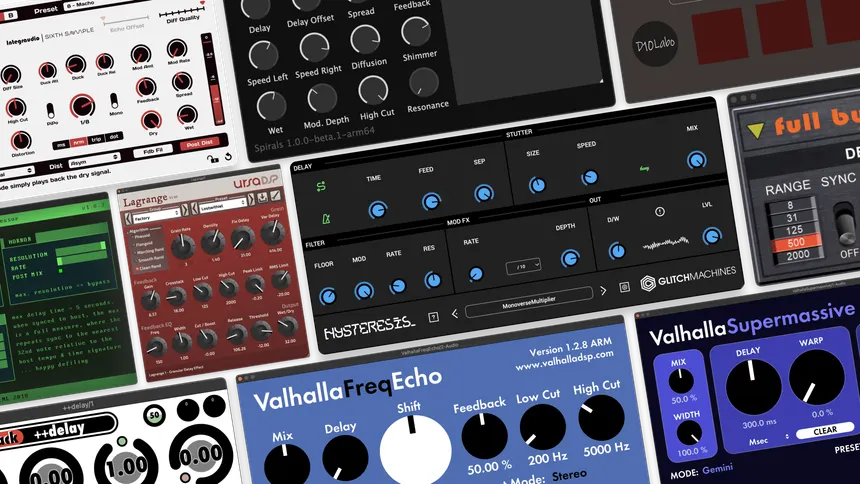
One of the biggest debates in How to Make Afroswing Beats is whether to use a long 808 or a short, controlled sub-bass, as each choice dramatically affects the groove and overall feel of the track. A long 808 can add weight and sustain, filling out the low end and giving the beat a more trap-influenced, modern edge. On the other hand, a short sub-bass emphasizes rhythm and bounce, locking in tightly with the kick and percussion to create a cleaner, more dance-friendly groove.
The right choice often depends on the mood of the song, the tempo, and how much space you want to leave for vocals and melodies, making low-end decisions a crucial part of crafting a polished Afroswing beat.
The 808 Glide
Unlike US Trap, Afroswing 808s are often more melodic. They follow the root note of the chords and often include subtle glides. However, the 808 must be “clean.” Avoid over-distorting your bass, as it needs to leave room for the rhythmic mid-range percussion.
6. How to Make Afroswing Beats: Percussions
Percussion is what separates the pros from the amateurs. You need to layer your drums with “rimshots,” “congas,” and “bongo” hits. These should be mixed at a lower volume but placed on the “off-beats” to keep the listener’s head moving.
7. Arrangement Strategy: Building Energy for the Club
Afroswing is club music. Your arrangement should follow a standard “Intro – Hook – Verse – Hook” structure, but with a twist. The energy should build using “risers” and “impacts” that lead into a “drop” where the 808 and the main pluck melody finally meet.
8. Essential VSTs and Plugins for Afroswing Production
- Synths: Xfer Serum (for plucks), Spectrasonics Omnisphere (for pads).
- Processing: Soundtoys Decapitator (for subtle warmth), Valhalla VintageVerb (for space).
- Utility: Midi kits elevate your production workflow for fast melodic inspiration.
9. How to Make Afroswing Beats: Mixing
The low-end is the most difficult part of the mix, and it’s where many Afrobeat and Afroswing tracks either succeed or fall apart. Because the kick and the 808 are both very active, they often clash for the same frequency space, causing the mix to feel muddy, weak, or inconsistent. Without careful control, one can easily mask the other, reducing punch and clarity.
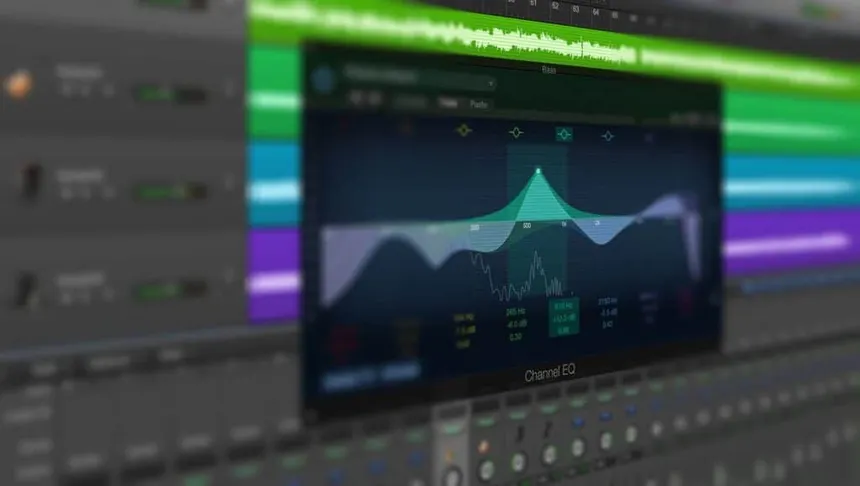
Proper tuning, EQ separation, sidechain compression, and envelope shaping are essential to help each element play its role. When the low-end is balanced correctly, the kick hits with impact, the bass feels full and controlled, and the entire track gains the solid foundation it needs to translate well across different sound systems.
Sidechaining the Kick to the Bassline
Apply a fast-acting compressor to your 808 that is triggered by the kick. This ensures that every time the kick hits, the 808 “ducks” for a split second. This creates a “pumping” effect that is essential for the genre. For a deeper dive, read our sidechain compression advanced guide.
10. How to Make Afroswing Beats: Mastering
Your final master should be loud but dynamic. Don’t crush your transients with too much limiting. You want the “snap” of the snare to cut through even on small phone speakers. Aim for -9 to -7 LUFS for a competitive club sound.
Conclusion: How to Make Afroswing Beats
Learning How to Make Afroswing Beats is about mastering the balance between technical precision and rhythmic soul. By focusing on the 104 BPM sweet spot, applying the right swing, and using high-quality samples, you can create tracks that dominate the charts.
After you learned How to Make Afroswing Beats, Visit www.wtmhstudio.com to get the most authentic Afroswing drum and MIDI kits available. Our kits are designed by industry professionals to give you the exact “knock” and “swing” you need.
FAQ: How to Make Afroswing Beats
1. What is the best BPM for Afroswing?
The most effective BPM for Afroswing is between 100 and 110. Most hits are produced at 104 BPM.
2. How does Afroswing differ from Afrobeats?
Afrobeats is usually faster and relies on West African Highlife influences. Afroswing is slower and incorporates UK Rap and R&B elements.
3. How to Make Afroswing Beats: Do I need expensive plugins?
No. You can make a hit using stock DAW plugins, but high-quality samples and MIDI kits from www.wtmhstudio.com will significantly speed up your workflow.
4. Can I make Afroswing in FL Studio?
Absolutely. FL Studio’s “Swing” slider and “Piano Roll” make it one of the best DAWs for this specific genre.