
Introduction
Choosing the right studio headphones for mixing and mastering is one of the most critical decisions a music producer or audio engineer can make. The wrong pair can distort your perception of frequency balance, dynamics, and stereo imaging, leading to mixes that fall flat on other playback systems. In this guide, we’ll break down the top 10 headphones of 2025, analyze their features, and provide actionable tips for selecting the perfect set for your workflow. Whether you’re a budget-conscious beginner or a seasoned professional, this guide ensures your headphones empower your mixes, not hinder them.
Why studio headphones for mixing and mastering matter
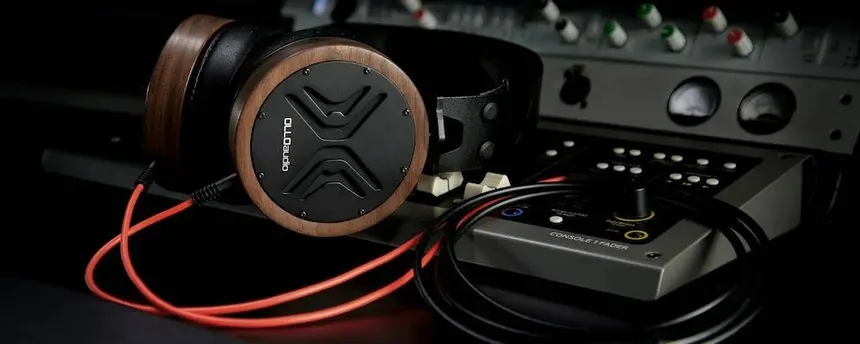
- Accurate Frequency Response – Unlike consumer headphones that boost bass or treble, professional studio headphones deliver a flat response for precise monitoring.
- Stereo Imaging and Soundstage – Proper studio headphones let you hear panning and depth accurately, crucial for creating balanced mixes.
- Avoiding Mix Translation Issues – Headphones that misrepresent sound lead to mixes that sound great in headphones but poor on speakers.
- Comfort During Long Sessions – Mixing and mastering can take hours; the right headphones minimize fatigue while maintaining audio fidelity.
External Reference: MusicRadar – Best Studio Headphones
Key features to evaluate in studio headphones for mixing and mastering
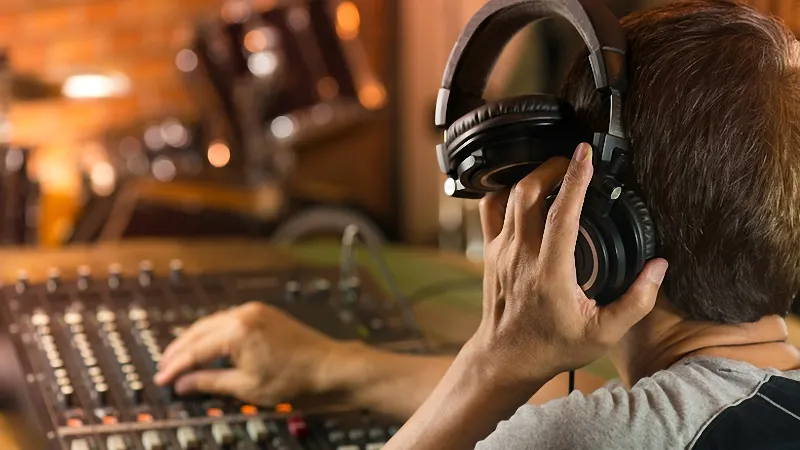
Frequency Response and Neutrality
- Look for a flat response from 20Hz to 20kHz to ensure mixes translate across all playback systems.
- Some models slightly accentuate high frequencies for clarity, which can be useful for mastering.
Open-Back vs Closed-Back
- Open-Back: Excellent for wide soundstage and natural tone, preferred for mastering.
- Closed-Back: Offers isolation, better for recording sessions and portable use.
Impedance and Sensitivity
- Match your headphones to your audio interface or amplifier; high-impedance headphones require more power to reach optimal volume.
Comfort and Build Quality
- Adjustable headbands, soft ear pads, and durable materials reduce fatigue and ensure longevity.
Cable and Connectivity
- Detachable cables improve maintenance and reduce accidental damage.
External Reference: RTINGS – Studio Headphones Reviews
Budget tiers: Best studio headphones for mixing and mastering by price

Entry-Level (Under $200)
- Audio-Technica ATH-M50x
- Sony MDR-7506
Mid-Range ($200–$500)
- Beyerdynamic DT 770 Pro 250 Ohm
- AKG K702
High-End (Above $500)
- Sennheiser HD 800 S
- Focal Clear Professional
External Reference: Point Blank Music School – Home Studio Setup Guide
Choosing Between Open-Back and Closed-Back for Your Workflow
While many engineers prefer open-back headphones for mixing and mastering due to their wide soundstage and natural tonal reproduction, closed-back headphones still play a vital role in a professional studio setup. Closed-back models excel at isolating external noise, which is crucial for recording sessions or working in less-than-ideal acoustic environments. A common workflow among professionals is to use closed-back headphones for tracking and open-back headphones for mixing and mastering, ensuring both accurate monitoring and minimal sound bleed.
Understanding Impedance and Compatibility
Many high-end studio headphones come with higher impedance ratings, often between 250–600 ohms. While these headphones offer excellent dynamic range and accurate reproduction, they require sufficient power from your audio interface or headphone amplifier. Low-impedance headphones (around 32–80 ohms) are easier to drive with standard devices but may not provide the same level of precision. Before purchasing, it’s essential to verify that your existing equipment can deliver adequate power for the headphones you choose. This ensures consistent volume levels, clarity, and accurate frequency reproduction across your mixes.
Headphone Burn-In: Myth or Necessity?
You may encounter claims suggesting that studio headphones need a “burn-in” period to achieve their full sonic potential. While some manufacturers recommend playing pink noise or reference tracks for several hours, the majority of evidence suggests that burn-in has minimal effect on professional-grade headphones. Instead, focus on auditioning headphones in real mixing conditions, comparing multiple reference tracks, and getting familiar with how they represent different frequencies. Understanding your headphones’ characteristics is far more valuable than any burn-in ritual.
Using Headphones to Improve Your Mastering Accuracy
Even if your studio has high-quality monitors, headphones can play a crucial role in refining details during mastering. They allow you to hear subtle distortions, sibilance, and stereo effects that might be missed on speakers due to room acoustics. Combining headphone checks with monitor playback creates a balanced approach, helping ensure your mix translates perfectly across various playback systems. Experienced engineers often alternate between headphones and monitors to catch minute issues, polish dynamics, and make frequency adjustments that guarantee professional-sounding masters.
Top 10 studio headphones for mixing and mastering (2025 list)
- Sennheiser HD 800 S – Ultimate clarity, expansive soundstage.
- Focal Clear Professional – Detailed highs, perfect for mastering.
- Beyerdynamic DT 1990 Pro – Open-back precision for mixing.
- AKG K702 – Comfortable for long sessions with accurate imaging.
- Audio-Technica ATH-R70x – Lightweight, neutral reference sound.
- Sony MDR-Z1R – Luxurious comfort with high-end fidelity.
- Shure SRH1840 – Balanced for both recording and mixing.
- Audeze LCD-X – Planar magnetic clarity for high-end studio use.
- Focal Elegia – Closed-back with accurate tonal response.
- HIFIMAN Arya – Wide frequency range, excellent transient response.
External Reference: SoundGuys – Best Studio Headphones 2025
How to audition and test your studio headphones for mixing
Auditioning and testing your studio headphones for mixing is critical to ensure your mixes are accurate, balanced, and translate well across all playback systems. Simply plugging in your headphones and listening casually isn’t enough—there’s a method to properly evaluate their performance. Follow these steps for professional-level testing:
1. Use Reference Tracks Across Multiple Genres
Start by selecting high-quality reference tracks from various genres that you are familiar with. Choose songs with clear instrumentation, well-balanced mixes, and dynamic ranges similar to the music you produce. Listening across multiple genres helps you detect frequency imbalances, stereo imaging issues, and transient inaccuracies in your headphones. For instance, if the bass feels exaggerated on a hip-hop track but subdued on a rock track, your headphones may have inconsistent low-frequency response that could affect mixing decisions.
2. Maintain Calibrated Volume
Always listen at a consistent and moderate volume when testing headphones. Overly loud listening can fatigue your ears quickly and skew perception of frequencies, particularly bass and high-end details. Conversely, listening too quietly may hide subtle nuances in your mix. Use a reliable volume reference or SPL (sound pressure level) meter if possible to ensure consistent listening levels. This helps maintain accurate frequency perception and prevents ear fatigue during long mixing sessions.
3. Compare Your Headphones Against Studio Monitors
Headphones alone do not provide the full picture of how a mix will translate in the real world. After listening on your headphones, compare your mix on well-calibrated studio monitors. Check for consistency in frequency balance, stereo width, and dynamic range. This process helps you understand how your headphones represent your mix versus actual speakers, and it highlights any discrepancies you need to adjust for. Many professional engineers switch repeatedly between headphones and monitors to fine-tune mixes for maximum translation.
4. Test in Different Listening Environments
Even when using high-quality headphones, room acoustics and external noise can influence how you perceive sound. Try listening in various environments, such as different rooms in your studio, a treated space, or even outside the studio. This will reveal any inconsistencies in your headphones’ sound reproduction under different conditions. Testing in multiple settings ensures that your mixes are versatile and will sound great on consumer devices, like earbuds, car speakers, or home systems.
5. Pay Attention to Comfort and Fatigue
During extended testing sessions, note whether the headphones remain comfortable. Discomfort can distract you and limit the accuracy of your auditioning process. A proper test isn’t just about sound quality—it’s also about ensuring your headphones are comfortable enough for long mixing and mastering sessions.
6. Listen Critically for Detail and Clarity
Finally, focus on identifying subtle details such as sibilance in vocals, decay of percussive sounds, and separation of instruments in complex mixes. High-quality headphones should reveal these details without exaggeration. Use familiar tracks with intricate arrangements to challenge your headphones and evaluate whether they provide the precision needed for professional mixing and mastering.
Common mistakes to avoid when using studio headphones for mixing
Even the best studio headphones for mixing and mastering can lead to inaccurate mixes if used improperly. Many engineers, especially beginners, make avoidable errors that affect the quality of their productions. Here are the most common mistakes and how to prevent them:
1. Relying Solely on Headphones Without Cross-Checking on Speakers
One of the biggest pitfalls is assuming that what sounds perfect in headphones will automatically translate to other systems. Headphones often exaggerate certain frequencies and create an artificial soundstage, which can lead to mixes that are too bright, bass-heavy, or poorly balanced when played on monitors, earbuds, or car speakers. Always cross-check your mixes on multiple playback systems to ensure they translate well across different environments. This includes studio monitors, portable speakers, and consumer devices to catch any inconsistencies.
2. Misinterpreting Bass or Treble Due to Headphone Coloration
Many headphones, even professional ones, slightly emphasize or attenuate certain frequencies. For example, closed-back models may exaggerate low-end, while open-back headphones may present a more airy high-frequency response. Relying solely on these impressions can lead to mixing errors, like overcompensating for bass or cutting treble unnecessarily. To avoid this, familiarize yourself with your headphones’ frequency response and use reference tracks to gauge their coloration before adjusting your mix.
3. Ignoring Comfort and Fatigue in Long Sessions
Long mixing and mastering sessions can last several hours, and discomfort or fatigue can significantly impact your decision-making. Poorly fitting headphones can cause ear pressure, heat buildup, and overall fatigue, making it harder to judge subtle details accurately. Investing in headphones with ergonomic design, adjustable headbands, and high-quality ear pads ensures comfort and allows for extended critical listening without compromising judgment.
4. Choosing Based Solely on Brand or Hype
Many beginners make the mistake of buying studio headphones simply because they are popular, endorsed by famous producers, or hyped online. While brand reputation can indicate quality, it doesn’t guarantee the headphones are suitable for your workflow or environment. The right headphones should fit your mixing style, room setup, and personal comfort. Always audition multiple models, read professional reviews, and consider practical features like impedance, open-back vs. closed-back design, and long-term durability before committing.
5. Neglecting Proper Calibration and Volume Levels
Even high-quality headphones can mislead your mixing decisions if you listen at inconsistent or extreme volumes. Too loud, and you risk ear fatigue and skewed frequency perception; too quiet, and you might miss low-level details. Calibrate your listening levels and take frequent breaks to maintain accuracy and prevent long-term hearing strain.
6. Failing to Maintain and Inspect Your Headphones
Many engineers overlook regular maintenance, assuming headphones last forever. Worn-out ear pads, frayed cables, or loose connections can degrade sound quality subtly, leading to poor mixing decisions. Regularly inspect, clean, and replace worn components to ensure your studio headphones for mixing and mastering consistently perform at their best.
Check our Guide to Dancehall Beats
Setting up your studio space for headphone mixing and mastering
- Minimize room noise even when using headphones.
- Use proper gain staging for your audio interface or mixer.
- Consider a headphone amplifier for high-impedance models.
- Switch between headphones and monitors to ensure mix translation.
Elevate Your Production Workflow with MIDI Kits
Maintenance and longevity: Get the most from your studio headphones
Proper maintenance and care of studio headphones for mixing and mastering can dramatically extend their lifespan, preserve audio accuracy, and ensure that your investment continues to deliver professional-quality sound. Many users overlook simple maintenance steps that prevent wear and tear, leading to degraded performance over time. Here’s a comprehensive guide to keeping your headphones in peak condition:
1. Replace Earpads and Cables When Worn
Over time, headphone earpads can compress, crack, or lose their cushioning, affecting comfort and sound isolation. Similarly, cables can fray, develop shorts, or experience intermittent signal loss. Replacing worn earpads and cables with manufacturer-approved or high-quality third-party options restores comfort and audio fidelity. Keeping these components in good condition ensures that your headphones continue to provide accurate frequency response and reliable monitoring.
2. Clean Regularly and Store Properly
Dirt, sweat, and oils from your skin can accumulate on earpads and headbands, compromising comfort and longevity. Use a soft cloth or microfiber towel to gently wipe your headphones after each session. For deep cleaning, mild soap and water on removable pads is safe for most models. Always store your headphones in a protective case or stand, away from direct sunlight, heat sources, or high humidity, which can degrade materials and electronics. Proper storage reduces physical damage and preserves the sound quality of your studio headphones over time.
3. Upgrade Periodically Based on Wear and Technological Advancements
Even the most durable headphones eventually wear down, and audio technology continues to evolve. New models often offer improved frequency response, comfort, or connectivity features. Evaluating your workflow and listening needs every few years ensures you’re using headphones that meet your professional standards. An upgrade can provide more accurate mixing decisions and a better overall listening experience, particularly if your current headphones show signs of age-related performance loss.
4. Ignore “Burn-In” Myths; Focus on Proper Listening and Calibration
Many guides suggest that headphones require hundreds of hours of “burn-in” to reach optimal sound. While minor mechanical changes may occur, evidence indicates that burn-in has minimal effect on modern professional headphones. Instead, focus on proper listening practices, calibration, and familiarity with your headphones’ unique sound signature. Use reference tracks, maintain consistent volume levels, and regularly cross-check with monitors to ensure your mixes are accurate and reliable.
5. Monitor Environmental and Usage Factors
Avoid exposing your headphones to extreme temperatures, moisture, or dust. Over time, these environmental factors can compromise both the electronics and physical materials. Additionally, handle your headphones gently, avoiding drops or twisting cables excessively. Consistent care in daily use preserves the clarity, balance, and durability of your headphones, helping them remain a trusted tool for mixing and mastering for years.
Check out HigherHertz – Headphones for Mixing & Mastering
Beyond Studio headphones: Cross-checking your mix on multiple systems
- Test mixes on studio monitors, earbuds, and car speakers.
- Use a headphone + speaker combo for accuracy.
- Maintain a checklist to ensure consistency across systems.
Check our Advanced Trap Mixing Techniques
Conclusion
Choosing the right studio headphones for mixing and mastering is essential for accurate sound, better mixes, and professional results. By evaluating features, auditioning multiple models, and avoiding common mistakes, you can find headphones that perfectly suit your workflow and budget. Take advantage of our 2025 top 10 picks to make an informed purchase today and elevate your mixing and mastering game.
FAQ
- What is the best type of studio headphones for mixing and mastering?
- Open-back headphones generally provide better soundstage and accuracy, ideal for mastering, while closed-back is useful for recording and isolation.
- Do open-back headphones work for mastering?
- Yes, open-back headphones offer wider stereo imaging, which is crucial for mastering.
- How much should studio headphones for mixing cost in 2025?
- Prices range from $100 for entry-level to $1,500+ for high-end professional models.
- Can I master an album using only headphones?
- It’s possible but not recommended. Always cross-check with speakers for best translation.
- How often should I replace my studio headphones?
- Replace when pads or cables wear out or when sound degradation becomes noticeable, typically 3–5 years depending on usage.