
Sync licensing is how your beat ends up behind a sneaker ad, on a football game menu or under a key scene in a streaming series. For beatmakers, it is one of the few income streams that can pay a meaningful fee up front and then keep paying through royalties.
The problem is that most producers never get close. Their catalogs are full of uncleared samples, missing instrumentals and messy splits, so music supervisors cannot use them even when they like the sound.
This guide fixes that. You will learn how sync licensing works, why Afro sounds like Afrobeats, amapiano and Afro house are in demand, how the money flows, seven steps to make your catalog sync-ready and how to pitch the people who place music.
What Is Sync Licensing?
Sync licensing is permission to pair music with visual media such as ads, video games, TV shows, films and online video. The term comes from “synchronizing” music to picture.
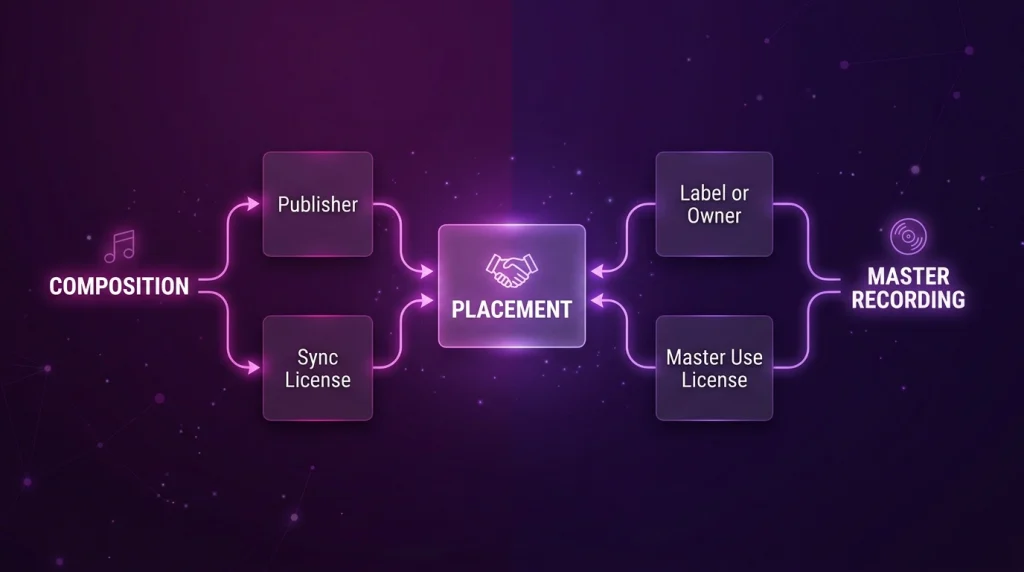
Two Copyrights, Two Licenses
Every recorded track carries two copyrights. As the Wikipedia entry on synchronization rights explains, the composition (melody, lyrics, harmony) is usually controlled by a publisher, and the master recording is usually controlled by the label or owner of the recording.
A placement needs both:
- Sync license: covers the composition.
- Master use license: covers the specific recording.
For a deeper foundation, read our guide to music licensing explained.
Why One-Stop Matters
When one person or company controls both the composition and the master, the track is “one-stop”. Supervisors love one-stop music because they can clear it with a single email and a single contract. As an independent beatmaker, you can often offer exactly that, which is a real advantage over major-label catalogs.
The Market in Numbers
Sync is a real but competitive market. According to IFPI’s Global Music Report 2026, global synchronization revenue for recorded music was about $641 million in 2025, down 2.0 percent after four years of growth, as Music Business Worldwide’s report summary also notes. The money is there, but the producers who win sync licensing deals are the ones who make clearance easy.
Sync vs Beat Leasing
Beat leasing sells usage rights to artists who record over your instrumental. Sync licensing sells usage rights to companies who place your finished track against picture. The buyers, contracts and budgets are different. Lease customers want a vibe to write on, while sync clients want a finished, cleared track that fits a scene today. Many producers run both: leases for steady volume and sync for occasional larger fees. The good news is that the same organized catalog, with clean splits and stems, serves both markets.
Why Afro Sounds Are a Sync Opportunity
Afro genres have moved from regional scenes to global culture, as tracked in our look at Afrobeats’ rise on the global charts. That reach makes them attractive to brands and studios targeting young, global audiences.
Afro Music in Video Games
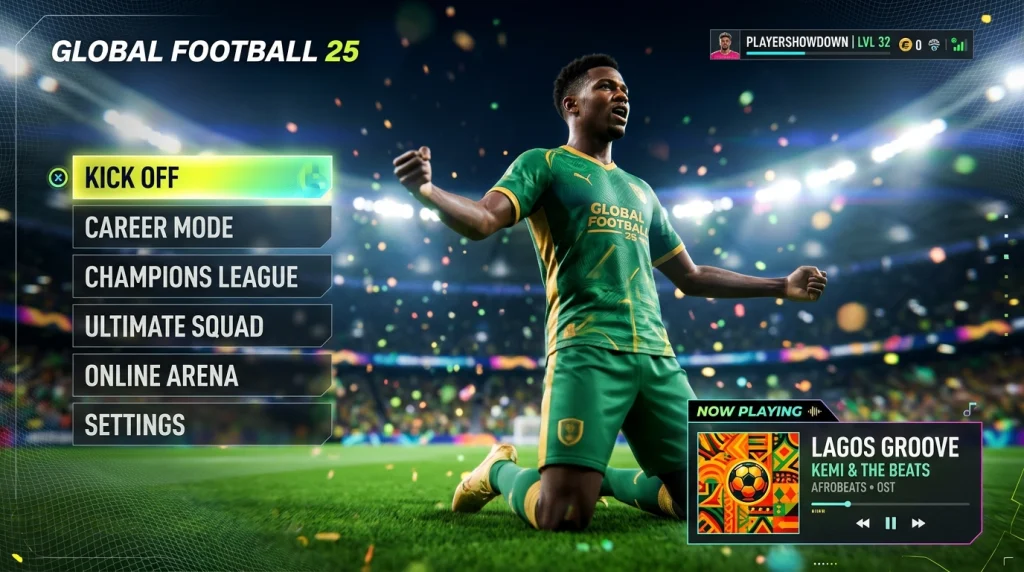
Football games are a clear example. EA Sports FC 25 featured Rema, Omah Lay and Shallipopi on the EA FC 25 soundtrack, and Afrobeats artists have appeared on the series’ soundtracks since FIFA 20.
Ads and TV Want Energy and Identity
Afro rhythms bring instant energy, movement and a sense of place. That makes them a natural fit for sports, fashion, travel, food and youth-focused brands, and for TV scenes set in clubs, cities or celebrations.
The Gap Indie Producers Can Fill
Placements are never guaranteed, even for superstars: reporting showed that the EA FC 26 soundtrack left out the biggest Afrobeats stars. Big names are expensive and slow to clear. Many productions need the Afro sound on a smaller budget and a tight deadline, which is exactly where independent sync licensing shines.
Where Sync Placements Happen
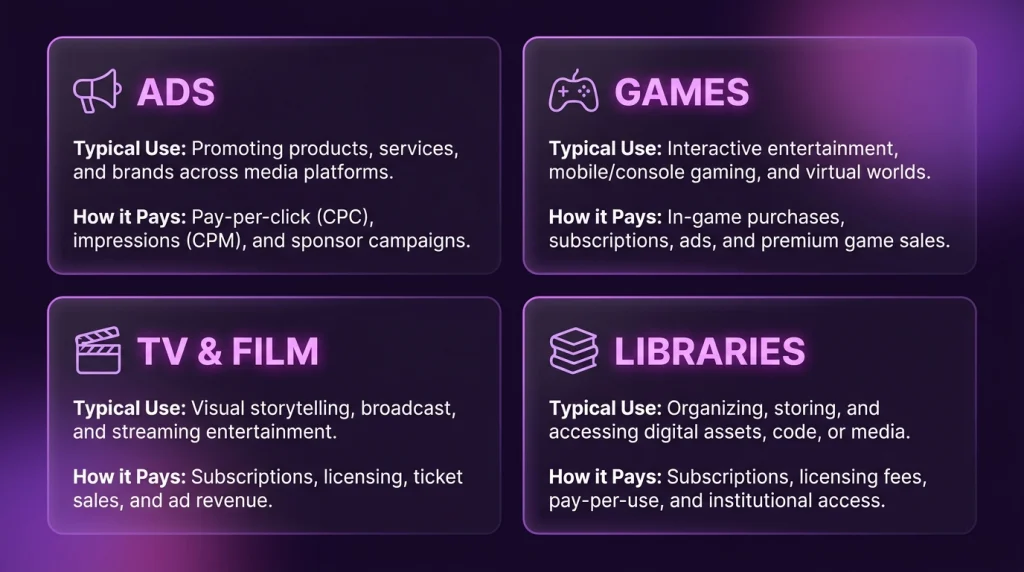
Each type of placement has its own needs and budgets. Know which one you are targeting.
Ads and Brand Content
Commercials, social campaigns and branded videos often pay the highest fees for short uses. They usually need 15, 30 and 60 second versions and a clear, punchy edit.
Video Games
Games use music for menus, trailers, gameplay and in-game radio. Deals are often buyouts, where the developer pays once for broad rights.
TV, Film and Trailers
Series and films use music in scenes, montages and end credits. Trailers want dramatic builds and big hits. Broadcast uses can also generate performance royalties, covered below.
Production Music Libraries
Libraries license large catalogs to TV, YouTube creators and agencies. Individual fees can be small, but a well-placed library catalog can earn steadily across many uses.
Online Video and Creators
YouTube channels, podcasts, brand social accounts and streaming creators all need music, often in large volumes. Fees are usually smaller than broadcast deals, but the volume can add up through libraries and licensing platforms. For many beatmakers, online video is the easiest first step into sync licensing, because it rewards a big, well-tagged catalog more than industry connections.
How Sync Licensing Pays Beatmakers
Sync licensing can pay in more than one way, and understanding the money helps you negotiate.
Sync Fees
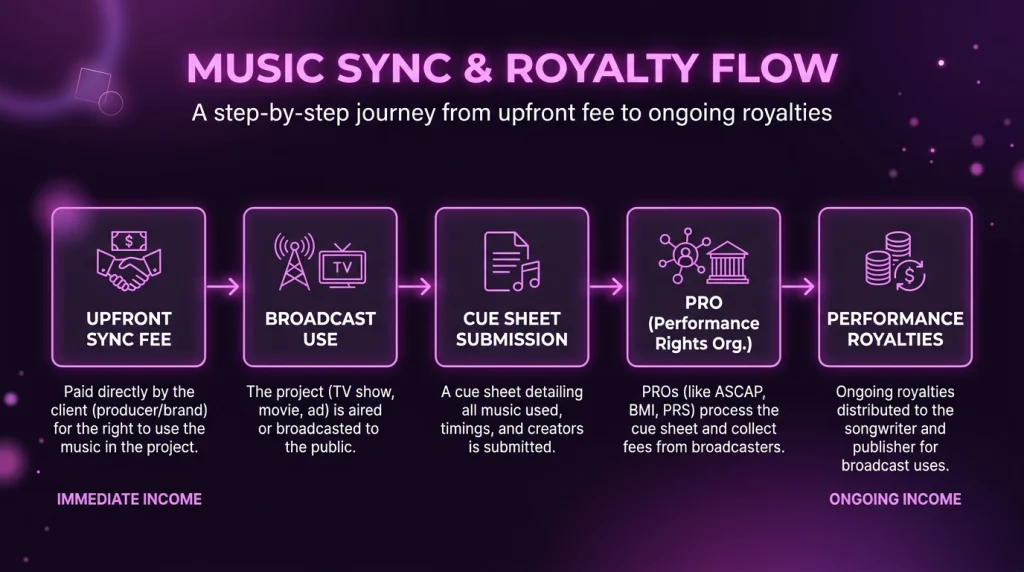
The licensee pays an upfront fee for the right to use your music. Fees depend on the media, length of use, prominence, territory, term and your track’s profile, and they range from very little to very large amounts.
Performance Royalties and Cue Sheets
When music airs on TV, broadcasters file cue sheets listing what was used. Performing rights organizations use those to pay performance royalties to writers and publishers. That is why you must register your works with a PRO before you pitch.
Buyouts, Exclusivity and Library Deals
Some deals are buyouts, covering all uses for one fee. Some libraries want exclusive rights to a track, while others are non-exclusive. Read every agreement carefully and understand what you are giving up before you sign.
A Simple Negotiation Checklist
Before you agree to any sync licensing deal, confirm these points in writing:
- Media: where the music will be used, such as TV, online, games or cinema.
- Term: how long the license lasts.
- Territory: which countries are covered.
- Exclusivity: whether you can license the same track to others.
- Fee and royalties: the upfront payment and whether performance royalties are preserved.
| Income Type | When You Get Paid | Typical Source |
|---|---|---|
| Sync fee (composition) | Upfront | Ads, games, TV, film |
| Master use fee | Upfront | Same deal, recording side |
| Performance royalties | After broadcast | TV, radio, some online uses |
| Library revenue share | Ongoing | Production music libraries |
7 Steps to Make Your Catalog Sync-Ready
These seven steps are the proven secrets that separate tracks supervisors can use from tracks they skip.
Step 1: Own Your Music Completely
Only pitch tracks where you control both the composition and the master, or where every collaborator has signed a split sheet and agreed to sync. One unclear co-writer can kill a deal.
Step 2: Remove or Clear Every Sample
Uncleared samples are the fastest way to lose a placement. Use original sounds or samples whose license clearly allows commercial and sync use. Check the terms of any kit you use, because some sample licenses exclude certain uses.
Step 3: Master to a Professional Standard
Supervisors compare your track against major releases. A clean, balanced master matters, and our guide to mastering Afrobeat for streaming platforms covers the essentials.
Step 4: Prepare Alternate Versions
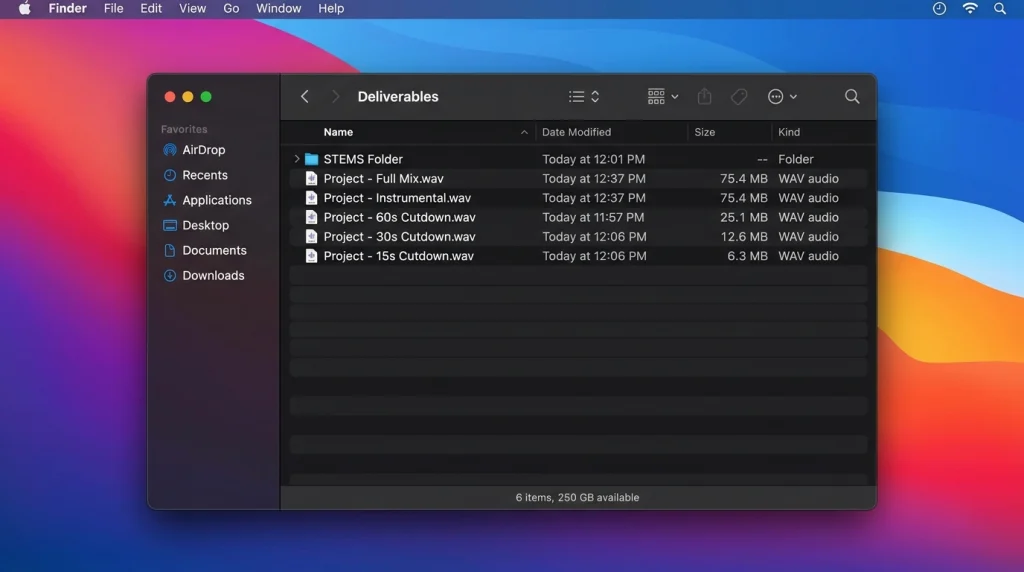
Create a deliverables pack for each track:
- Full mix and instrumental
- Clean version if there are lyrics
- Cutdowns at 60, 30 and 15 seconds
- Stems for drums, bass, music and vocals
Step 5: Register With a PRO
Register your compositions with a performing rights organization so you can collect performance royalties when your music airs. Keep your writer and publisher information consistent everywhere.
Step 6: Embed Clean Metadata
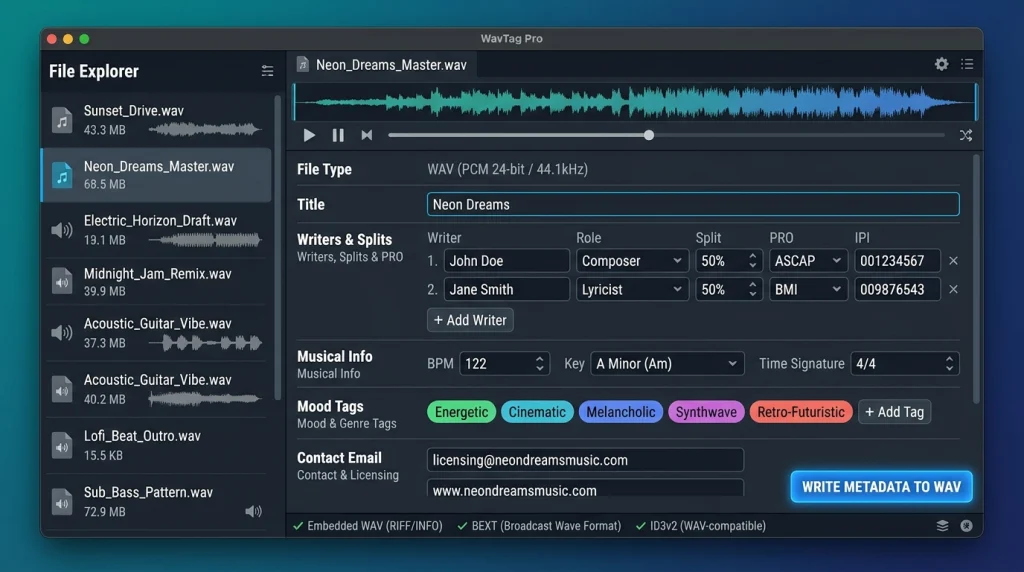
Embed the title, writers, splits, PRO details, BPM, key, mood tags and your contact email into every file. If a supervisor downloads your track months later, they must still be able to find you.
Step 7: Organize a Searchable Catalog
Group tracks by mood and genre, such as “uplifting Afrobeats”, “dark amapiano” or “celebration Afro house”, and host them on a private streaming page with download links. Make it effortless to browse.
Writing Afro Tracks for Picture
Tracks written for sync licensing follow slightly different rules from tracks written for streaming.
Mood First
Supervisors search by feeling: joyful, confident, tense, nostalgic, triumphant. Write with one clear mood per track, and make it obvious within the first few seconds.
Edit-Friendly Structure
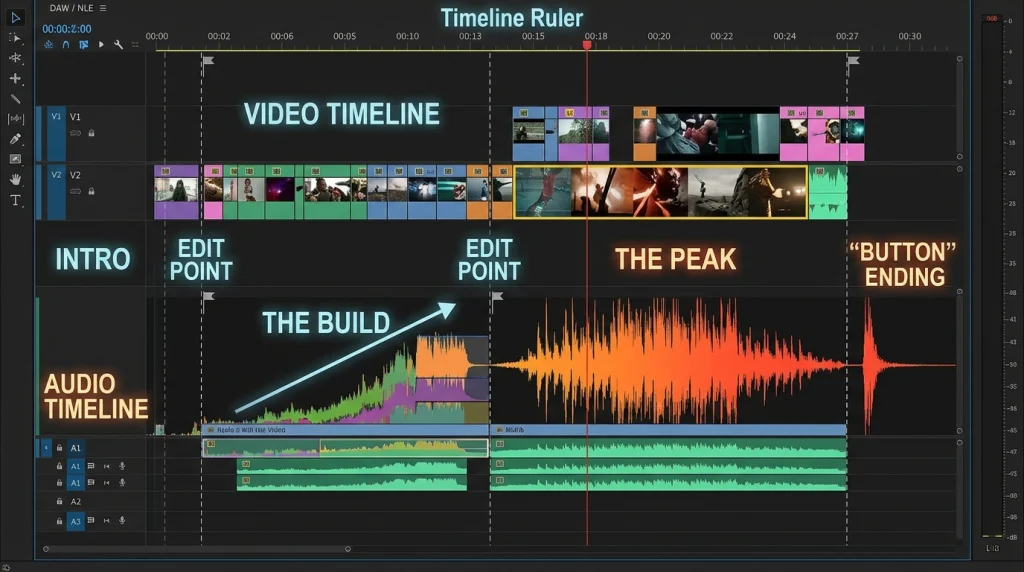
Use clear sections, steady builds and a strong “button” ending instead of a long fade. Avoid sudden tempo changes. Editors need to cut your track to fit a 30-second spot without it sounding chopped.
Vocals That Work on Screen
Dialogue and voiceover often sit on top of the music, so instrumentals and sparse vocal chants are highly usable. If you use lyrics, keep them universal and avoid brand names, explicit content and very specific references.
Build Genre Variety Into Your Catalog
Supervisors rarely need the same track twice. Build a catalog that covers several Afro lanes: uplifting Afrobeats, laid-back amapiano, driving Afro house and moody Afro-fusion. Within each lane, vary the mood and energy. A varied catalog gives you more chances to match a brief, and it shows sync licensing partners that you can deliver on demand.
How to Pitch for Sync Licensing Deals
Great music still needs to reach the right people. Sync licensing is a relationship business, so the skills in our guide to build real industry connections apply directly.
Music Supervisors
Supervisors choose and clear music for productions. Research who works on shows, games and ads that match your sound, and follow their work before you reach out.
Sync Agencies and Libraries
Sync agencies pitch catalogs to supervisors in exchange for a share of fees. Libraries license music at scale. Both can open doors faster than cold emails, but read their terms on exclusivity and commission.
The Perfect Pitch Email
Keep it short and specific:
- One line on who you are and your sound.
- Two or three tracks that fit their projects, as private streaming links.
- A clear statement that the tracks are one-stop and fully cleared.
- Your contact details and a link to the full catalog.
Never send large attachments, and follow up politely once rather than repeatedly.
Respond to Briefs Fast
Many placements start with a brief: a short description of the mood, tempo, length and budget a production needs. Briefs often have tight deadlines, sometimes only a day or two. Keep your catalog organized so you can send the right three tracks within hours. In sync licensing, the fastest suitable answer often wins over the perfect answer that arrives late.
5 Sync Licensing Mistakes to Avoid
Avoid these and supervisors will trust your catalog.
- Uncleared samples. A single uncleared loop can block a placement entirely.
- Unclear splits. Missing split sheets make tracks impossible to clear quickly.
- No instrumental or cutdowns. Without deliverables, you slow the edit down.
- Missing metadata. If they cannot find your name and email, they cannot pay you.
- Signing without reading. Understand exclusivity, term and buyout terms before you agree.
Conclusion: Make Sync Licensing Part of Your Plan
Sync licensing rewards producers who are organized as much as those who are talented. Afro sounds are already in games, ads and TV, and the opportunity for independent beatmakers is to be the fast, clean, one-stop option.
Here are the key takeaways:
- Understand both rights: sync for the composition and master use for the recording.
- Own or clear everything, including samples and splits.
- Prepare deliverables: instrumentals, cutdowns, stems and metadata.
- Register with a PRO so broadcast uses can pay you.
- Pitch briefly and precisely to supervisors, agencies and libraries.
Sync works best as one part of a wider income plan, alongside the proven ways producers make money. Pick your five strongest Afro tracks, build their deliverables this week and send your first pitch. Treat every pitch as a learning step, and keep notes on which tracks and moods each supervisor responds to.
FAQ: sync licensing
What is sync licensing in music?
Sync licensing is permission to use music alongside visual media, such as ads, video games, TV shows and films. It usually involves a sync license for the composition and a master use license for the recording.
How do beatmakers get paid from sync licensing?
Through an upfront sync fee, a master use fee if they own the recording, and performance royalties when the music airs on TV or other broadcast media.
What does one-stop mean in sync?
A one-stop track is one where a single party controls both the composition and the master, so it can be cleared with one deal. Independent producers can often offer this.
Can I use samples in sync tracks?
Only if every sample is fully cleared for commercial and sync use. Many producers use only original sounds for sync to avoid problems.
Do I need to register with a PRO?
Yes. Registering your compositions with a performing rights organization lets you collect performance royalties from broadcast uses reported on cue sheets.
What deliverables do music supervisors want?
Usually a full mix, an instrumental, a clean version if needed, 60, 30 and 15 second cutdowns, stems and embedded metadata with your contact details.
Are Afro genres popular in sync?
Yes. Afrobeats artists have appeared on major football game soundtracks, and Afro rhythms suit sports, fashion, travel and youth-focused ads.