
Producer networking is the single skill that separates producers who stay stuck sending cold emails into the void from those who build careers that sustain themselves.
Most producers spend years perfecting their craft only to realize that talent alone does not open doors. The music industry runs on relationships. A placement with a major artist, a sync licensing deal, or a co-production credit with a top-tier beatmaker rarely comes from a job board. It comes from a conversation.
This guide breaks down 7 proven, actionable secrets to build genuine, lasting industry connections, whether you are just starting out or trying to level up from bedroom producer to industry staple. Every strategy here is practical, direct, and built for the modern music landscape.
Your network is your net worth. In music production, this is not a motivational poster. It is the business model.
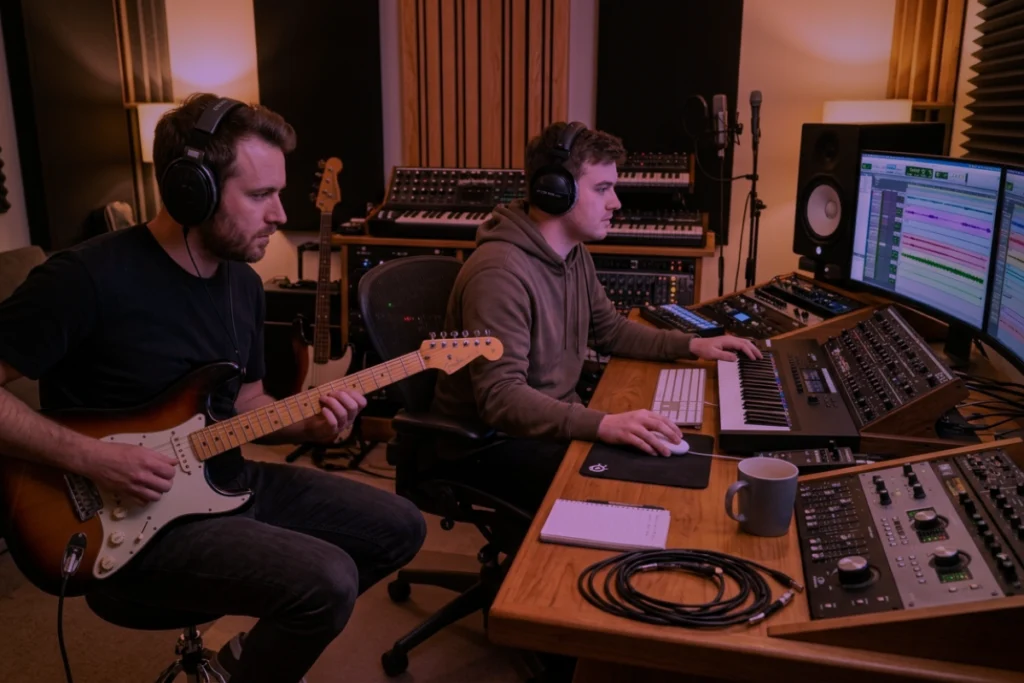
Why Producer Networking Is the Most Underrated Career Skill
The music production world teaches you compression ratios, chord progressions, and mix techniques. It rarely teaches you that none of those skills matter in isolation. Producer networking is the infrastructure through which your talent gets deployed.
According to a 2023 study by the Music Industry Research Association, over 72 percent of producers who landed major placements cited personal connections as the primary pathway. Cold outreach accounted for less than 8 percent of successful placements. The numbers are clear: relationships drive results.
The Invisible Job Market in Music Production
Most high-value opportunities in music production are never publicly listed. Co-production credits, exclusive licensing deals, and label contracts circulate within existing networks before they ever reach the public. If you are not inside those conversations, you are competing for the scraps.
Understanding this reality is the first step. The second step is building the network that puts you inside those conversations.
Why Most Producers Avoid Networking
Networking has a reputation problem. Producers often associate it with awkward small talk, transactional relationships, and fake positivity. That version of networking does not work in music either. What works is genuine connection built around shared creative goals and mutual respect.
If you struggle with the social side of building connections, the post on ADHD music production workflow hacks offers useful strategies for managing focus and social energy in professional environments.
Producer Networking Secret 1: Build Your Identity Before You Build Your List
The most effective networkers in any industry lead with clarity. Before you walk into a room, a Discord server, or a studio session with the goal of connecting with people, you need a clear answer to one question: what do you bring?
In producer networking, your identity is your brand. It is the combination of your sound, your specialty, your story, and your reliability. Producers who command attention in industry rooms are not the ones chasing everyone else. They are the ones who are known for something specific.
Define Your Sonic Identity
Your sonic identity is the first thing other industry professionals use to categorize and remember you. Are you an Afrobeat specialist? A trap producer who blends 808 design with jazz harmony? A beatmaker who excels at cinematic soundscapes?
Developing a signature sound is the foundation of a memorable identity. The guide on how to create signature sounds walks through the exact process of building an audio identity that sticks.
Create a Producer One-Sheet
A producer one-sheet is a single-page document that captures your key credits, sonic style, equipment setup, and contact information. It is the physical artifact of your producer identity. When someone asks what you do, this is what you leave behind.
- Name and producer alias
- Top 3 to 5 credits or placements (even independent ones)
- Your primary genres and style description
- Streaming or beat store link
- Professional contact email
Online Presence as a Networking Tool
Your online presence is your networking resume. Every interaction a potential collaborator has with your profile before they meet you shapes their impression. A consistent, professional online presence removes friction from connection.
If you are building your visibility as a beat producer, the resource on how to market your beat store covers platform-by-platform strategies that double as networking amplifiers.
Secret 2: Master the Art of Strategic Online Producer Networking
Online spaces have become the primary arena for producer networking in the modern music industry. Discord servers, Reddit communities, Twitter threads, and Instagram comment sections are all active networking environments when used with intention.
The key word is intention. Scrolling and consuming content is not networking. Consistent, value-adding participation is.
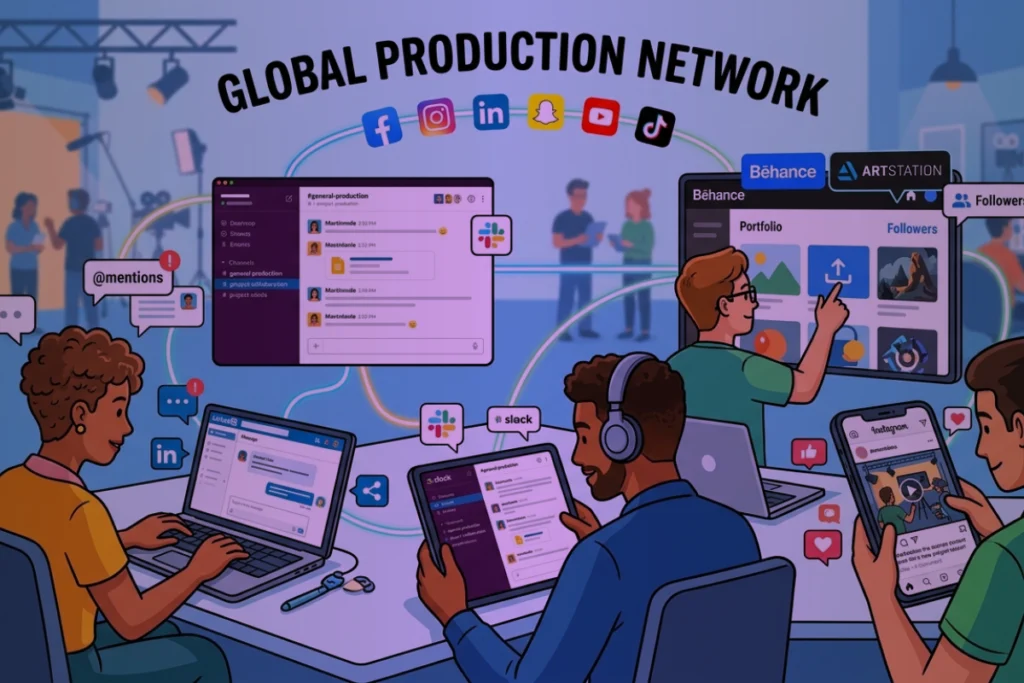
High-Value Online Communities for Producers
Not all online spaces are equal. The highest-value communities for producer networking tend to be smaller, more focused, and populated by working professionals rather than beginners.
- Paid Discord communities associated with respected producers or studios
- Genre-specific subreddits with active professionals such as r/WeAreTheMusicMakers
- Producer forums on platforms like LANDR, Splice, and ADSR
- LinkedIn groups focused on music production and licensing
- Private Facebook groups for sync licensing and music supervision
How to Add Value Before You Ask for Anything
The fastest way to build credibility in any online community is to give more than you take. Answer questions. Share useful resources. Offer honest, constructive feedback on other producers’ work. Do this consistently for 30 to 60 days before you ever make a direct ask.
This approach builds social capital. When you eventually share your work or make a connection request, you are not a stranger. You are a known contributor.
Direct Messaging That Actually Gets Responses
Cold direct messages almost never work because they are self-serving by design. The producer networking DM that gets a response is the one that opens with genuine curiosity or a specific reference to the recipient’s work.
- Reference a specific track or decision in their music that impressed you
- Ask a focused, answerable question rather than a vague collaboration pitch
- Keep the first message short and free of links or attachments
- Follow up once after 7 to 10 days if there is no response, then move on
Secret 3: Use Live Events for Accelerated Producer Networking
In-person events compress relationship-building in ways that online interaction cannot match. A 10-minute conversation at a music conference can do more for your network than months of social media activity. Face-to-face contact builds trust faster, communicates personality more clearly, and creates memorable impressions.
Which Events to Prioritize
Not every music event is equally useful for producer networking. The highest return on investment comes from events where the attendee list includes working professionals rather than primarily aspiring artists.
- Music production conferences such as NAMM, Superbooth, and AES conventions
- Sync licensing and music supervision summits
- Genre-specific showcases and industry showcases at major music festivals
- Local recording studio open houses and listening sessions
- Producer meetups organized through online communities

Preparing for an Industry Event
Walking into a networking event unprepared wastes the opportunity. Effective preparation takes less than two hours and dramatically increases the quality of connections you make.
- Research 10 to 15 attendees you genuinely want to meet and review their recent work
- Prepare three to five conversation starters based on their specific projects
- Bring physical cards or a QR code linking to your portfolio
- Set a realistic goal: three to five meaningful conversations, not 30 business cards
- Follow up within 24 hours while the conversation is fresh
The Follow-Up Strategy That Turns Meetings Into Relationships
The event itself is the introduction. The follow-up is where the relationship is actually built. Most producers skip this step entirely, which is why most event connections fade within a week.
Send a specific, personalized follow-up message within 24 hours. Reference something from your conversation. Offer something of value, whether that is a useful resource, a connection to someone else in your network, or a sample pack relevant to their current project.
Secret 4: Collaborate First, Pitch Later in Producer Networking
The most durable professional relationships in music production are built through creative work, not through pitching. When you collaborate with another producer, artist, or engineer, you build shared history. Shared history creates trust.
The collaborative approach to networking is especially powerful in genres like Afrobeat, where producers regularly co-produce and exchange ideas. Resources like advanced Afrobeat mixing techniques highlight how genre-specific collaboration raises everyone’s output quality.
How to Approach Collaboration Requests
When reaching out for a collaboration, specificity is everything. Vague requests such as wanting to work together get vague responses or no response at all. Specific requests with a clear creative vision get answered.
- Identify a specific gap in their recent work that your skills address
- Propose a defined project scope, not an open-ended partnership
- Show evidence of your capability through a relevant clip or sample
- Make the collaboration low-commitment to start: one track, one session, one stem pack
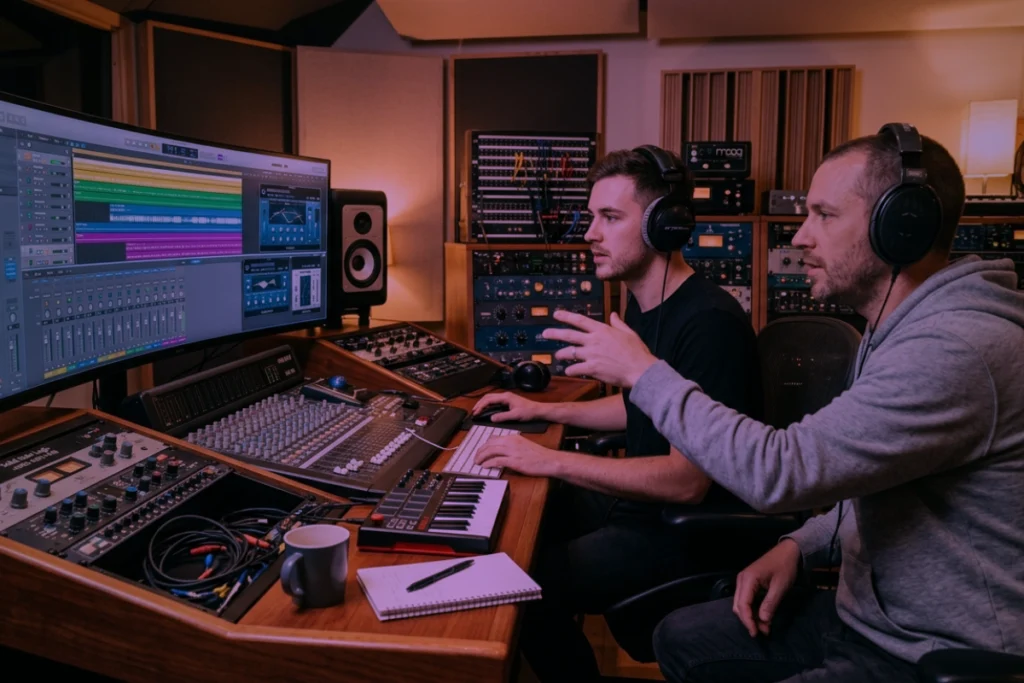
Turning a Collaboration Into a Long-Term Connection
After a successful collaboration, the relationship has heat. This is the moment to deepen the connection rather than move on to the next target. Check in on the project after release. Share the performance data. Credit your collaborator everywhere you promote the work.
Producers who are known for giving clear credits, sharing revenue fairly, and communicating honestly build reputations that attract future collaboration. Your reputation in collaborative settings is one of your most valuable networking assets.
Cross-Genre Collaboration as a Networking Accelerator
Working with producers outside your primary genre expands your network exponentially. A trap producer who collaborates on an Afroswing track gains access to a completely different set of industry contacts, playlists, and artist rosters.
Cross-genre production is a real skill that opens doors others cannot enter. The post on genre-bending music production explores how to develop this capability without losing your core identity.
Secret 5: Leverage Social Media for Consistent Producer Networking Visibility
Social media is not just a promotional tool. Used correctly, it is a continuous, low-effort producer networking engine. The key is to shift your social media strategy from broadcasting to engaging.
Content That Attracts the Right Connections
The content you post publicly signals what kind of collaborator you are and what kind of conversations you want to have. Educational content, behind-the-scenes production footage, and honest opinions about music production attract industry professionals who share your values and approach.
For producers building visibility on Instagram specifically, the strategies outlined in Instagram for producers detail exactly how to turn content into connection opportunities.
YouTube as a Long-Term Networking Platform
YouTube rewards consistency and expertise more than any other platform. Producers who regularly post production tutorials, beat breakdowns, or sample pack reviews build audiences that include other producers, artists, managers, and label A&Rs.
If you are building a YouTube presence as a beat producer, the guide on how to go viral on YouTube as a type beat producer offers proven strategies that also function as networking amplifiers.
Engaging With Established Producers Publicly
One of the most underused producer networking tactics is consistent, intelligent engagement with established producers in public forums. Thoughtful comments on industry posts, relevant replies in Twitter threads, and constructive participation in live streams all put your name in front of established audiences.
The goal is not to ask for anything. The goal is to become a recognizable, respected voice in the conversation. That reputation eventually generates inbound connection requests without any direct outreach.
Secret 6: Build a Referral System Into Your Producer Networking Strategy
Warm introductions convert at a dramatically higher rate than cold outreach. When someone in your existing network refers you to a new contact, you arrive with pre-built credibility. Building a referral system means actively creating conditions where your existing connections want to recommend you.
How to Ask for Introductions Without Being Awkward
Most producers never ask for introductions because they are afraid of seeming presumptuous or transactional. The solution is specificity and reciprocity. Instead of asking broadly whether someone knows anyone who could help you, identify a specific person you want to meet and ask whether your contact knows them personally.
Frame the ask around mutual benefit. Explain how the introduction could benefit both parties, not just yourself. And always offer a specific reciprocal value, whether that is a referral back, a relevant resource, or a skill they need.
Becoming Referable: What It Actually Takes
You cannot manufacture referrals. You earn them by being reliable, professional, and generous over time. The producers who get referred most often share a few consistent traits: they deliver on time, they credit collaborators clearly, they give honest feedback, and they follow through on commitments.
Think of your professional reputation as a long-term networking investment. Every interaction either adds to or subtracts from the likelihood that someone will recommend you to the next opportunity.
Using Music Platforms as Passive Networking Tools
Platforms like LANDR, Tracklib, and ADSR are not just distribution and licensing tools. They are producer communities with active discovery features. Having your work on these platforms creates passive networking exposure.
WTMH Studio has packs available on several of these platforms. Exploring our packs on LANDR, Tracklib, and ADSR gives you a sense of how professional producers position their work for platform-based discovery.
Secret 7: Turn Your Skills Into a Producer Networking Magnet
The most sustainable producer networking strategy is to be so good at what you do that the industry comes to you. This is not passive. It requires deliberate positioning and consistent output. But it is the networking mode that scales without burning you out.
Teaching as a Networking Strategy
Producers who teach attract students, collaborators, and fans simultaneously. A tutorial series, a production course, or even a consistent series of Instagram Reels that show your creative process positions you as an authority. Authorities get contacted. They do not chase.
Teaching does not require formal credentials. It requires demonstrating that you know something other producers want to know. Pick one specific skill area and go deep.
Sample Packs, Presets, and Freebies as Networking Tools
Releasing a high-quality free sample pack is one of the most effective producer networking moves available. Every producer who downloads your pack and uses it in a track becomes a potential collaborator, customer, and referral source. Your sounds travel into sessions you will never attend.
The MIDI kit space is a powerful example of this. The post on powerful reasons producers need MIDI kits in 2026 explains how these tools create connection opportunities across genre boundaries.
Getting Placed on Blogs, Playlists, and Podcasts
Being featured in external media dramatically expands your producer networking surface area. A placement in a respected music production blog, a sync in a popular playlist, or an appearance on an industry podcast puts you in front of audiences you could not reach through your own channels alone.
Target media properties whose audiences overlap with your target collaborators and clients. Pitch with a specific angle, not a general biography. Offer value to the audience first.
How to Turn Producer Networking Contacts Into Career Opportunities
Building a network is meaningless unless you convert those relationships into outcomes. The conversion step is where most producers fall short. They accumulate contacts but never activate them.
The 3-Touch Rule Before Any Ask
Before making any professional ask of a new connection, touch base at least three times with zero expectation of return. Comment on their work. Share something relevant. Check in on a project they mentioned. After three genuine, value-adding touchpoints, an ask feels natural rather than opportunistic.
Creating Mutual Opportunities
The most powerful networking move is creating opportunities that benefit your contact as much as yourself. Co-hosting a beat showcase. Co-releasing a collaborative EP. Building a joint sample pack. Shared opportunities deepen relationships faster than any amount of casual conversation.
Producers who want to expand into monetizing their connections should explore proven ways producers make money for a full breakdown of income streams that reward strong industry relationships.
Maintaining Your Network Over Time
Networks decay without maintenance. A connection you made two years ago but never followed up with is effectively a cold contact again. Build a simple CRM habit: a spreadsheet or note that tracks your top 20 to 30 industry contacts, when you last connected, and what you discussed.
A monthly review of this list takes 30 minutes and keeps your most valuable relationships warm. Most producers never do this, which means simply maintaining your network puts you ahead of the majority.
Start Building Your Producer Networking Strategy Today
Producer networking is not a single event. It is a practice. Every session, every release, every comment, every tutorial, and every collaboration is a networking opportunity when approached with intention and generosity.
The 7 secrets covered in this guide are not theory. They are the strategies that working producers use to build careers that sustain themselves through relationships rather than constant hustle. Start with your identity. Add value consistently. Collaborate before you pitch. Maintain what you build.
Your producer networking strategy starts with one action today. Pick one section from this guide, implement it this week, and build from there. The producers who dominate their genre do not have better talent than you. They have better relationships.
The music industry rewards producers who show up consistently, deliver quality, and treat people well. Build your network the same way you build your sound: with intention, patience, and craft.
Frequently Asked Questions About Producer Networking
What is producer networking and why does it matter for my career?
Producer networking is the practice of building genuine professional relationships with other producers, artists, engineers, A&Rs, managers, and industry figures. It matters because the majority of high-value career opportunities in music production are distributed through personal connections rather than public listings or cold outreach.
How do I start producer networking if I have no connections and no credits?
Start with online communities. Join two or three focused Discord servers or subreddits related to your genre. Spend 30 days adding value through comments, feedback, and shared resources before making any direct connection request. Your first connections will come from consistency and generosity, not from impressive credits.
How often should I reach out to my producer networking contacts?
For your most important 20 to 30 contacts, a touch base every 4 to 6 weeks is appropriate. For your broader network, a meaningful interaction every quarter is sufficient. Consistency matters more than frequency. A genuine, specific check-in every six weeks outperforms a generic monthly message every time.
Is it worth going to music industry events for producer networking?
Yes, with preparation. Unprepared attendance at music events rarely produces strong connections. Prepared attendance, where you have researched attendees, prepared conversation starters, and set realistic connection goals, consistently produces relationships that advance careers. Budget for one or two targeted events per year.
How I do producer networking who are more successful than me?
Lead with genuine appreciation and specific reference to their work. Do not pitch or ask for anything in the first interaction. Add value through a useful resource, a relevant introduction, or a specific observation about their music. Established producers are approached constantly by people who want something. The contact who offers something stands out immediately.
Can producer networking help me sell more beats online?
Absolutely. Producers with strong networks consistently outperform isolated producers in beat sales because they benefit from referrals, collaborations, and word-of-mouth promotion. Pairing strong networking with effective beat selling strategies covered in beat selling tips and proven strategies for 2026 creates a compounding advantage.
What is the biggest mistake in producer networking?
The biggest mistake is treating networking as a transaction. Approaching every interaction with the question of what this person can do for you poisons relationships before they form. The producers who build the strongest networks ask what they can offer first, and they ask this question consistently over months and years before expecting anything in return.